
Policy & RegulationAnalysis
Chinese Premier Li Qiang Pushes for AI Integration and Patient Capital in Shanghai Manufacturing Tour
During inspections of robotics and incubation facilities, Premier Li Qiang called for deepening 'AI plus manufacturing' and establishing risk-sharing mechanisms for future industries.
Share
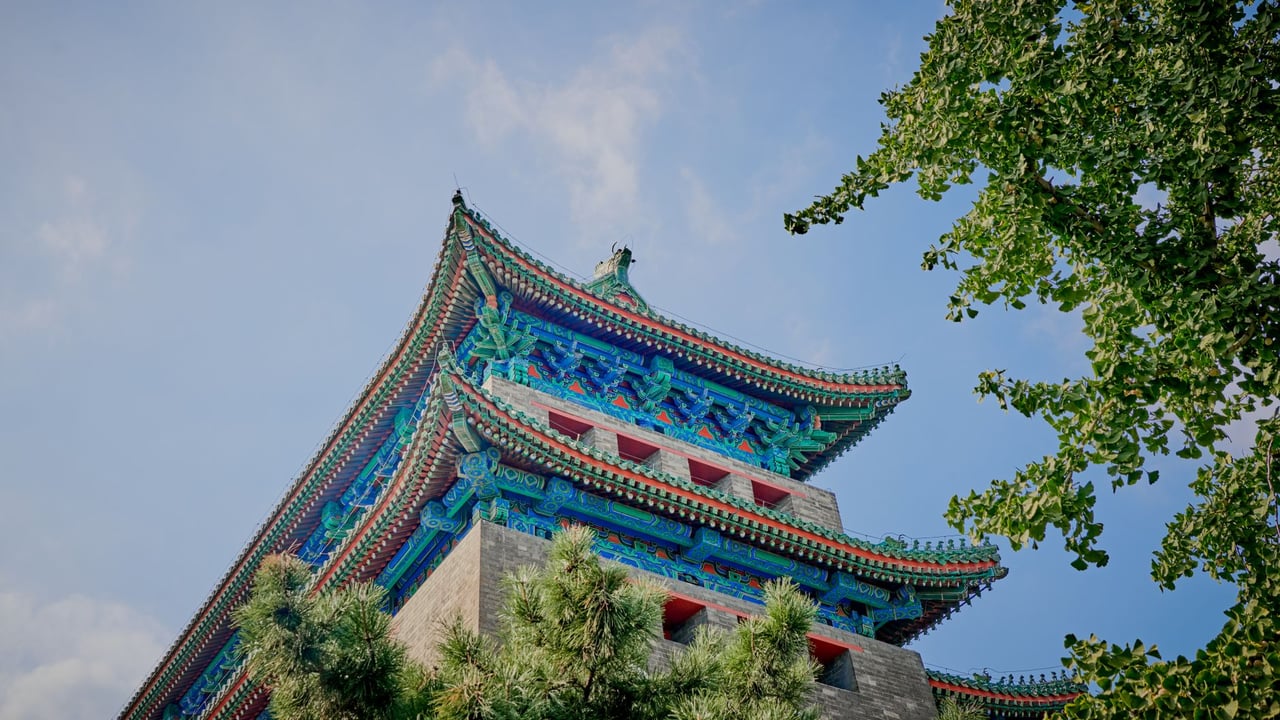
Photo by Suki Lee on Pexels
The Brief
Chinese Premier Li Qiang conducted an inspection tour in Shanghai focusing on advanced manufacturing, emerging sectors, and future industries, according to state media reports. Visiting a national AI pilot base and a deep-tech incubator, Li urged the deepening of 'AI plus manufacturing' across research, production, and supply chains. Emphasizing the lengthy development cycles and market risks inherent to emerging frontiers such as quantum computing and brain-computer interfaces, the Premier called for expanding venture capital, fostering 'patient capital,' and building risk-sharing mechanisms to support core technological innovation.
Why it matters
The Premier's inspection signals Beijing's heightened priority on grounding high-end artificial intelligence directly into the physical economy. By emphasizing shared pilot-testing platforms and patient capital, policymakers are targeting specific bottlenecks: high digital-transformation costs for small and medium-sized enterprises, the slow commercialization of lab breakthroughs, and the shortage of long-term funding for frontier deep-tech sectors.
China context
Facing intensified geopolitical tech competition and the imperative to upgrade domestic industrial capacity, China has elevated advanced manufacturing toward 'intelligent, green, and integrated' development. Following national directives on advanced manufacturing, high-level visits to leading commercial hubs like Shanghai illustrate how central authorities are linking regional state-backed funds and pilot bases to national industrial resilience goals.
Editor's View
EDITOR'S VIEW — Analysis and inference, not factual reporting.
Li Qiang's focus on 'patient capital' and risk sharing addresses a fundamental structural issue in China's technology push: high-risk frontier fields like quantum computing and brain-computer interfaces cannot thrive on short-term financial returns. Encouraging state capital and venture funds to absorb early-stage uncertainty will be critical if China aims to translate state-directed basic research into commercially viable industrial ecosystems.
What to watch
- Follow-up implementation rules from central ministries and Shanghai authorities on expanding patient capital and risk compensation mechanisms.
- Policy actions by the Ministry of Industry and Information Technology regarding 'AI plus manufacturing' pilot demonstrations and shared pilot-testing platforms.
- Investment deployments by state-backed vehicles, including the Shanghai Future Industry Fund, into frontier deep-tech sectors.
Key Takeaways
- 1Premier Li Qiang inspected robotics pilot bases and tech incubators in Shanghai, urging closer integration between AI and manufacturing.
- 2Li called for building shared service platforms to lower the cost of digital transformation for small and medium-sized enterprises.
- 3Addressing high-risk frontier fields such as quantum computing and brain-computer interfaces, Li urged the expansion of 'patient capital' and risk-sharing mechanisms.
Chinese Premier Li Qiang conducted an inspection tour in Shanghai on September 22, emphasizing the need to accelerate the development of emerging and future industries while expanding advanced manufacturing, according to reports from Xinhua and state media outlets.
During his visit to the Shanghai Electric National Artificial Intelligence Application Pilot Base, Li inspected specialized and industrial robotics applications in complex operating environments. He also reviewed progress on 'AI-native' factories and examined a pilot workshop dedicated to assembling and debugging intelligent robots. Li noted that rapid advances in artificial intelligence are reshaping manufacturing systems, production methods, and industrial models. He called for leveraging China's dual advantages in manufacturing scale and digital technology to advance 'AI plus manufacturing,' urging full-process intelligent upgrades across research, production, and management to activate data potential and build smarter supply chains.
Addressing practical challenges in industrial upgrading, Li urged the creation of shared manufacturing service platforms focusing on common industry bottlenecks such as industrial design, pilot verification, and intelligent operations. These platforms, he stated, should provide integrated solutions to help enterprises—particularly small and medium-sized firms—carry out digital and intelligent transformations more efficiently and at lower cost.
Li also toured the Shanghai Future Qi-Point Community, an innovation incubator dedicated to frontier technology domains. There, he reviewed developments in brain-computer interfaces and quantum computing, as well as the operational status of the Shanghai Future Industry Fund. Emphasizing that future industries represent a critical blue ocean for manufacturing, Li called for strengthened foundational research, core technology breakthroughs, and tolerance for trial and error in experimental innovation.
Recognizing that future industries face extended growth timelines and significant market volatility, Li explicitly called for the vigorous development of venture capital and the expansion of 'patient capital.' He urged authorities and financial institutions to establish sustained investment growth and risk-sharing mechanisms tailored to high-uncertainty deep-tech incubation. Shanghai Party Secretary Chen Jining and State Council Secretary-General Wu Zhenglong accompanied Li on the inspection tour.
Sources
- 李强在上海调研时强调 加快培育壮大新兴产业和未来产业 持续做大做强先进制造业 — Yicai · 9/22/2026
- 李强在上海调研时强调 加快培育壮大新兴产业和未来产业 持续做大做强先进制造业 — Securities Times · 9/22/2026
- 李强在上海调研时强调 加快培育壮大新兴产业和未来产业 持续做大做强先进制造业 — State Council of China · 9/22/2026