
Defense & StrategySignal
Navy Aviation Unit Tests Manned and Unmanned Teaming in Anti-Submarine Drill
A naval aviation unit paired manned anti-submarine patrol aircraft with unmanned aerial vehicles to construct an aerial search network during a combat drill.
Share
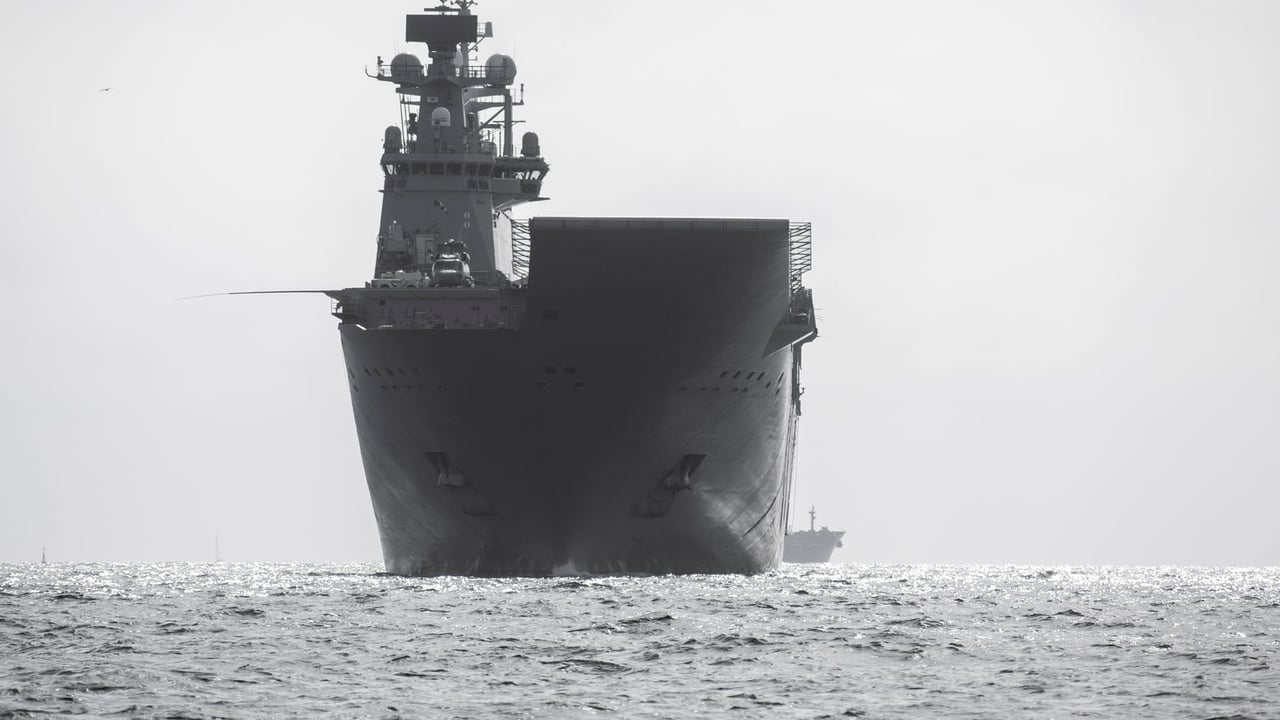
Illustrative image; not a photograph of this reported event. Photo by Christian Palau on Pexels
The Brief
According to China News Service, a naval aviation unit recently paired anti-submarine patrol aircraft with a type of unmanned aerial vehicle in a maritime airspace to organize a combat-oriented aviation anti-submarine training exercise. The unit utilized a manned and unmanned operational approach to form an aerial anti-submarine network establishing a continuous search, track, and strike loop.
In the reported combat exercise, manned anti-submarine patrol aircraft and unmanned aerial vehicles entered the designated mission area together, establishing an aerial anti-submarine search network configured with high and low coordination as well as near and far coverage.
During a crucial phase of the training, an unmanned aerial vehicle maintained stable tracking on the target submarine, transmitting information that enabled the manned patrol aircraft to alter its heading, align with a drop route, and execute a simulated attack.
In this operational method, unmanned aerial vehicles equipped with magnetic anomaly detectors performed low-altitude magnetic searches, avoiding human flight risk and supporting manned crew safety alongside sonobuoys used for wide-area screening.
Why it matters
Pilots participating in the combat training stated that physiological limitations and endurance limits restrict manned patrol aircraft during uninterrupted underwater monitoring, whereas deploying unmanned aerial vehicles for close-range verification improves rapid-response capability.
China context
Submarines have represented a major threat to surface vessels because of their stealth and mobility, making anti-submarine warfare a long-standing challenge across navies. Aviation forces developed into an important anti-submarine element as unmanned platforms gradually entered practical naval training.
Key Takeaways
- 1A naval aviation unit tested manned patrol aircraft teaming with unmanned aerial vehicles in an aerial anti-submarine training exercise.
- 2Unmanned aerial vehicles tracked a target submarine and relayed data to manned patrol aircraft to carry out a simulated strike.
- 3Unmanned aerial vehicles performed low-altitude magnetic searches to manage flight crew risk while maintaining detection capabilities.
Sources
- 海军航空兵反潜实战训练 “有人+无人”织就空中反潜网 — China News Service · 10/29/2026