
Policy & RegulationAnalysis
People's Daily Commentary Emphasizes People's Livelihoods in Policy Framing
A front-page commentary by 'Ren Ping' links recent leadership remarks in Shanghai and Politburo directives to broader modernization goals.
Share
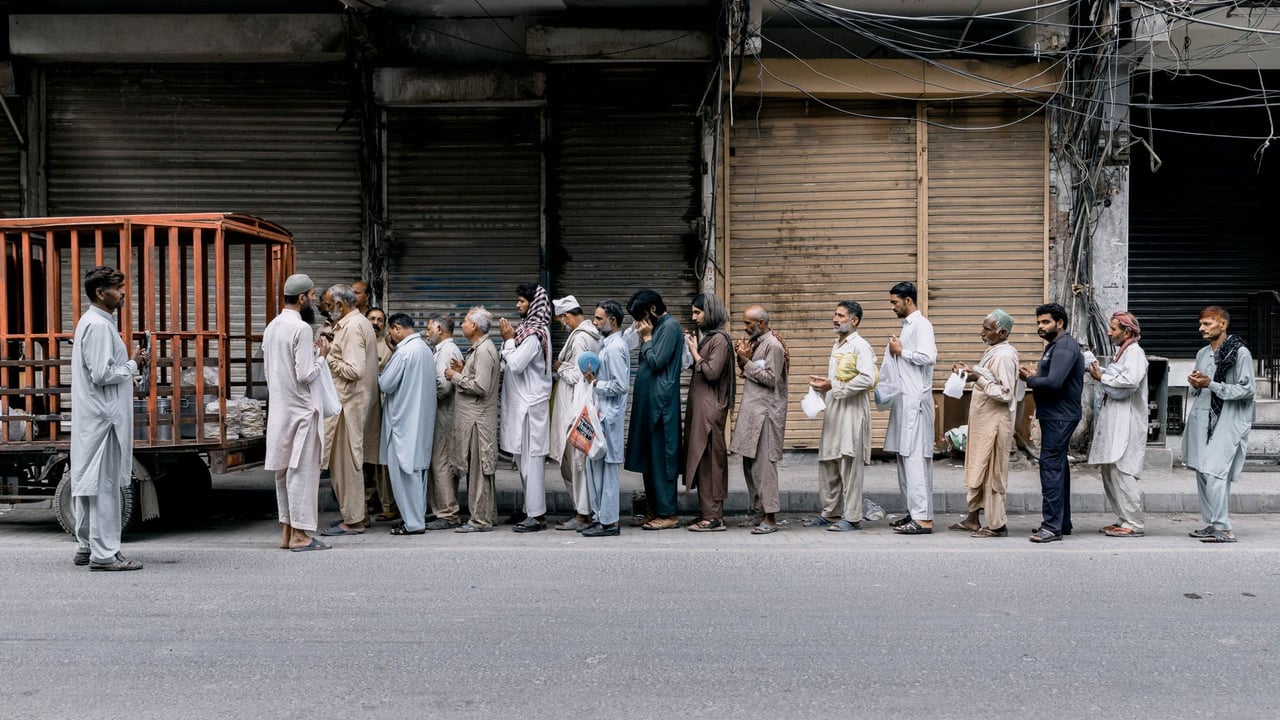
Photo by Aa Dil on Pexels
The Brief
A prominent commentary published in People's Daily under the pen name 'Ren Ping' has highlighted the central leadership's focus on public welfare and livelihood protection. Analyzing remarks made during an inspection of Shanghai on July 15 alongside requirements from the July 30 Politburo meeting, the article frames daily public concerns as vital national priorities. It argues that balancing small community matters with broader governance goals is foundational to sustaining Chinese modernization.
Why it matters
Official commentaries under authoritative bylines like 'Ren Ping' signal core ideological and policy priorities, underscoring that public welfare guarantees remain integral to central economic and social governance directives.
China context
In China's political communication system, front-page commentaries in the People's Daily serve to interpret top leadership speeches and Politburo guidance for regional cadres, aligning local policy execution with central socioeconomic objectives.
Editor's View
EDITOR'S VIEW — Analysis and inference, not factual reporting.
The commentary reflects an effort to connect grassroots social welfare with macro-level state governance. By framing everyday public well-being as a cornerstone of national modernization, state media reinforces expectations for local governments to deliver tangible improvements in public services alongside broader economic policy implementation.
What to watch
- Specific local and ministerial policy measures introduced to implement the Politburo's livelihood directives.
- Targeted oversight and execution in public services, employment, and social security across regional administrations.
Key Takeaways
- 1A People's Daily 'Ren Ping' commentary linked Xi Jinping's July 15 Shanghai inspection remarks with the July 30 Politburo meeting's focus on livelihood guarantees.
- 2The piece highlighted key principles, stating that public concerns constitute major governance priorities and that everyday welfare is inseparable from state development.
- 3The analysis structured central guidance around three relationships: small matters versus major affairs, practical warmth versus strategic heights, and livelihood versus economic modernization.
A high-profile commentary published on the front page of People's Daily has outlined the leadership's governance focus on safeguarding and improving people's livelihoods, framing public well-being as a fundamental pillar of national development.
Published under the authoritative pen name 'Ren Ping' and titled "'Family Affairs' and 'National Affairs'," the article examines guidance from Chinese leader Xi Jinping during a July 15 inspection in Shanghai, according to the People's Daily analysis. During that visit, Xi underscored that public concerns represent matters of primary governance importance, emphasizing the need to resolve citizen concerns systematically and describing everyday household well-being as integral to broader national affairs.
The commentary also connects these themes to the July 30 meeting of the Politburo of the Communist Party of China Central Committee, which formally instructed government bodies to adopt multi-pronged measures to strengthen social safety nets and public livelihood guarantees.
To unpack the leadership's directives, the People's Daily commentary examines three core conceptual relationships: the link between minor everyday matters and major state affairs, the balance between practical warmth and strategic vision, and the interplay between basic welfare and overall development. The article concludes that deeply anchoring policy in the immediate needs of the public provides the most reliable and enduring foundation for advancing Chinese modernization.
Sources
- 壹视界·任平文章解读|从三对关系,读懂总书记的牵挂--经济·科技--人民网 — People's Daily · 8/13/2026