
Defense & StrategyAnalysis
PLA 71st Group Army Implements Tailored Support for Brigade Readiness
A customized oversight model shifts the army corps away from rigid top-down management toward building grassroots technical and tactical autonomy.
Share
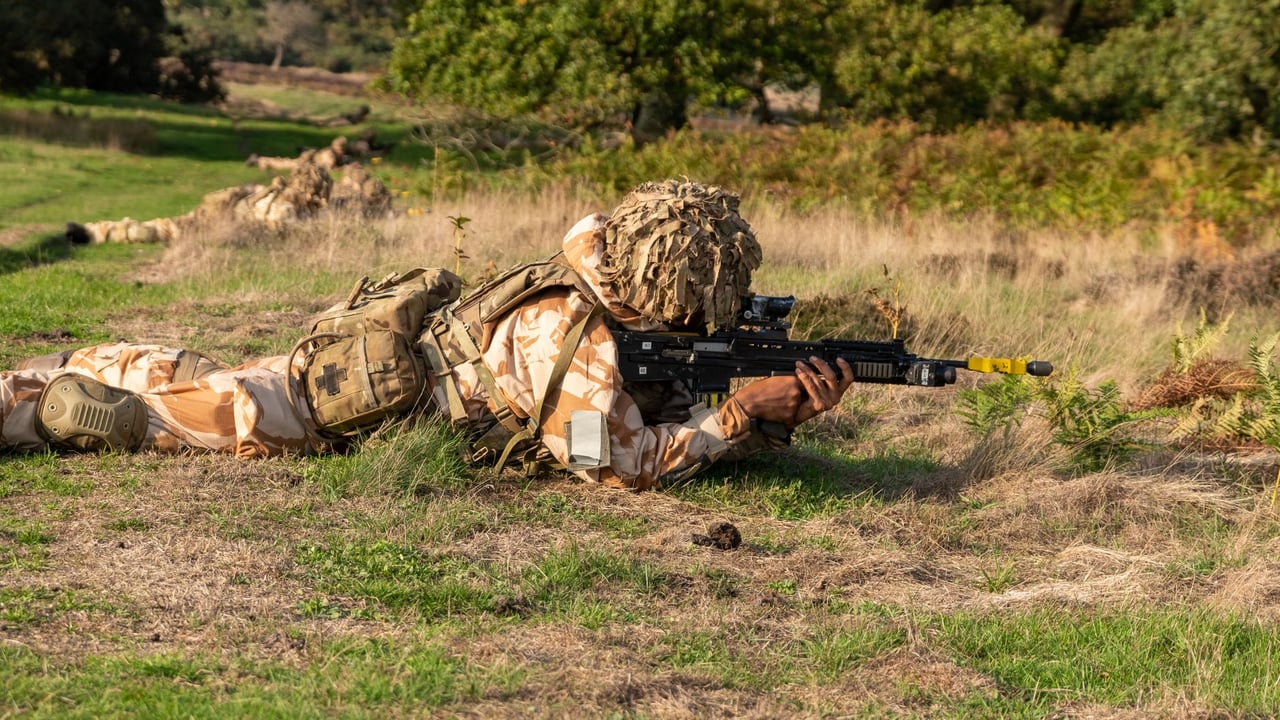
Photo by Mick Latter on Pexels
The Brief
The Chinese People's Liberation Army 71st Group Army has introduced a customized assistance mechanism designed to address specific operational and administrative bottlenecks across its subordinate brigades. According to reports in military and state media, the initiative replaces a previous one-size-fits-all oversight model with tailored guidance led by corps-level Party standing committee members. Recent outcomes highlighted by the group army include the creation of specialized soldier tech squads, cross-unit tactical improvements, and targeted bureaucratic burden reduction.
Why it matters
The shift reflects a broader push within the PLA Ground Force to modernize unit governance by moving away from micromanagement and administrative formalism. By delegating problem-solving and encouraging localized innovation, group army leadership aims to foster organic combat readiness and technical proficiency across tactical brigades.
China context
Under ongoing PLA political training and organizational restructuring directives, the military has prioritized strengthening intermediate and grassroots Party committees. The 71st Group Army's targeted reform illustrates how corps-level commands are translating central directives on governance and burden reduction into practical battalion- and brigade-level training enhancements.
Editor's View
EDITOR'S VIEW — Analysis and inference, not factual reporting.
The 71st Group Army's move to abandon uniform inspection templates in favor of diagnostic, unit-specific assistance addresses a long-standing friction point in PLA command culture: the tendency of headquarters organs to over-intervene and create administrative inertia. Highlighting technical support squads and grassroots tactical development underscores the Ground Force's growing reliance on non-commissioned specialists to operate and sustain increasingly sophisticated weaponry.
What to watch
- Whether the 'one policy per brigade' framework is formally adopted across other Eastern Theater Command ground units and PLA group armies.
- The operational performance and tactical output of newly formed grassroots soldier technology teams during larger-scale combined arms exercises.
Key Takeaways
- 1The 71st Group Army launched a 'one policy per brigade' framework to replace uniform administrative interventions with customized support.
- 2Internal reviews found previous standardized oversight led to bureaucratic friction and weakened grassroots independent planning.
- 3New measures include joint training with military institutes to establish specialized soldier technology teams for technical support.
- 4Administrative burdens were targeted using structured 20-item positive and negative management lists for dispersed units.
The People's Liberation Army (PLA) 71st Group Army has instituted a targeted support framework titled "one policy per brigade" to resolve grassroots operational and organizational challenges across its tactical formations, according to reports published by China Military Online and People's Daily.
The reform originated from an internal corps-level review conducted earlier this year, which concluded that standardized, top-down oversight had produced poor results across diverse combat brigades. Group army leaders found that headquarters departments had frequently adopted a one-size-fits-all approach and micro-managed lower echelons, resulting in lower units becoming overly dependent on top-down instructions and weakening their independent planning and Party committee functions.
Under the restructured model, members of the group army's Party standing committee lead diagnostic teams directly into subordinate brigades to identify specific bottlenecks and formulate customized remediation plans. Rather than having higher headquarters execute tasks directly, the teams focus on empowering brigade Party committees to resolve administrative, personnel, and technical issues independently.
State media highlighted several initial operational outcomes resulting from the shift. In one brigade facing technical specialist shortages, the group army coordinated joint training agreements with military academies and research institutes while facilitating internal talent cultivation. That initiative led to the formation of a "soldier technology squad," which has since generated tactical field innovations and contributed two personnel to the PLA Army's combat readiness key specialist talent pool. Technicians from the unit also executed technical support duties during recent group army joint exercises without recorded errors.
In another brigade with geographically dispersed subunits, diagnostic teams guided headquarters staff to establish formal 20-item positive service lists and 20-item negative burden-reduction lists to streamline administrative procedures for frontline troops. Additionally, in the brigade historically associated with model soldier Wang Jie, leadership shifted focus from solely promoting flagship units to conducting systematic reviews across all subordinate battalions, resulting in several new field training tactics being evaluated and disseminated group-army wide.
Sources
- 第71集团军创新帮建机制破解基层建设难题——“一旅一策”精准把脉开方 - 中国军网 — China Military Online · 8/28/2026
- “一旅一策”精准把脉开方--军事--人民网 — People's Daily · 8/28/2026