
Defense & StrategyAnalysis
PLA Reconnaissance Battalion Tests Targeted Training to Build Elite Ranks
A brigade under the 81st Group Army certified 43 top-tier specialists in one year using individualized talent tracking.
Share
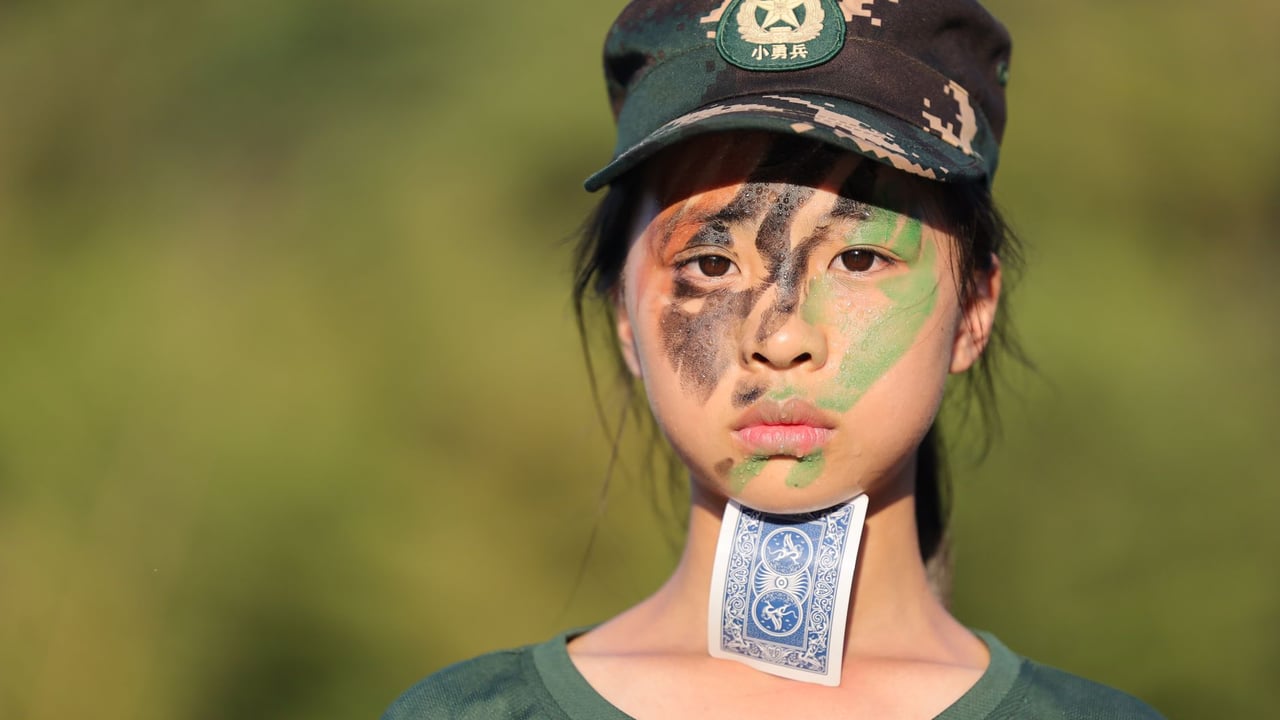
Photo by Muziyan Du on Pexels
The Brief
A reconnaissance battalion in an 81st Group Army brigade produced 43 'Special Class' certified personnel across physical, marksmanship, and technical categories over the past year, according to Chinese military media. The unit achieved top rankings in brigade-level competitions by adopting a structured talent development system that combines detailed individual performance dossiers, cross-skill peer mentoring, and dynamic track adjustments to address skill gaps and foster comprehensive combat capabilities.
Why it matters
The development illustrates how People's Liberation Army (PLA) tactical units are shifting toward data-driven, individualized training management to build well-rounded combat specialists rather than single-skill soldiers.
China context
As the PLA modernizes its training doctrine, ground force units are increasingly leveraging standardized talent metrics and peer mentoring to elevate baseline combat readiness across mechanized and reconnaissance formations.
Editor's View
EDITOR'S VIEW — Analysis and inference, not factual reporting.
The reconnaissance battalion's reliance on individualized dossiers and peer pairing addresses a persistent challenge in PLA grassroots training: soldiers excelling in isolated specialties but struggling to meet rigorous multi-event standards. By institutionalizing cross-company coaching and shifting soldiers into technical tracks suited to their strengths, the unit demonstrates practical methods to institutionalize tactical proficiency.
What to watch
- Whether the 81st Group Army standardizes and expands the individual talent dossier system across other combat arms.
- Performance of newly certified elite personnel during combined-arms and cross-regional field exercises.
Key Takeaways
- 1A reconnaissance battalion in the 81st Group Army certified 43 soldiers at 'Special Class' operational levels in a single year.
- 2The certifications spanned physical endurance, tactical marksmanship, and technical specializations.
- 3Training management relies on individualized talent dossiers, data-driven progress reviews, and cross-discipline peer mentoring.
A reconnaissance battalion under a brigade of the People's Liberation Army 81st Group Army has developed 43 personnel certified at 'Special Class' (Teji) proficiency levels over the past year, according to official reports from PLA Daily and People's Daily.
During a recent brigade-level 'Tiger Cup' training competition, the reconnaissance battalion swept both first and second places in the comprehensive decathlon event. Official military outlets attributed this performance to a battalion-wide training overhaul aimed at certifying high-tier combat talent.
According to unit leadership, the 43 top-tier personnel certified at the end of the previous training year include 16 soldiers rated 'Military Physical Special Class Level 1,' six rated 'Military Physical Special Class Level 2,' 13 certified as 'Special Class Sharpshooters,' and eight qualified as 'Special Class Technical Specialists.'
To build this bench of specialists, the battalion instituted a full-cycle development framework based on standardized 'Talent Dossiers.' Beginning when recruits are assigned to their permanent companies, battalion leaders assess physical baselines, professional aptitudes, and individual growth goals. Regular training analysis sessions review logged performance data to recalibrate personalized regimens and address specific weaknesses.
Battalion instructors noted that while many soldiers excelled in individual skills—such as obstacle courses or distance running—fewer met the multi-disciplinary requirements needed for top-tier certification. To overcome this, the battalion established more than 20 cross-discipline peer pairs and cross-company coaching initiatives. For example, two non-commissioned officers, one specializing in endurance running and the other in obstacle climbing, paired together to coach each other, eventually both passing the group army's physical certification.
Unit political officers also noted that development paths are dynamically adjusted when soldiers reach personal performance plateaus, shifting individuals to alternative operational or technical tracks where their specific strengths can be better utilized.
Sources
- 一年涌现43名“特级”官兵--军事--人民网 — People's Daily · 8/18/2026
- 一年涌现43名“特级”官兵,这个营如何培养出如此多训练尖子 — China Military Online · 8/18/2026