
Daily BriefAnalysis
Xi Urges Rescue and Fire Checks After Deadly Shipyard Blaze in Qingdao
A foreign cargo vessel under repair caught fire at Beihai Shipbuilding, prompting central leadership intervention and nationwide safety warnings.
Share
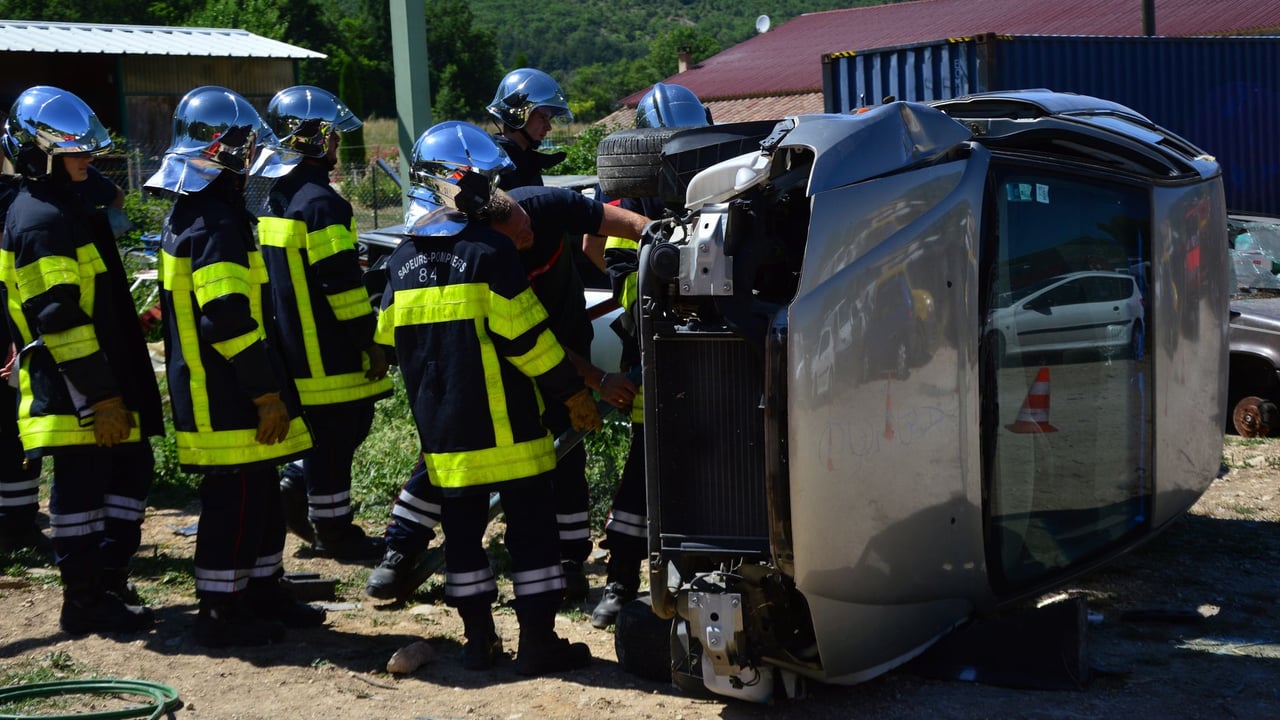
Photo by Ulrick Trappschuh on Pexels
The Brief
A fire aboard a foreign cargo ship undergoing maintenance at Qingdao Beihai Shipbuilding Co., Ltd. in Shandong province resulted in significant casualties on September 10. The incident prompted Chinese President Xi Jinping to order all-out search-and-rescue efforts for missing personnel and a nationwide screening of fire hazards. Premier Li Qiang instructed authorities to treat the injured, prevent secondary disasters, and strictly enforce workplace safety responsibilities. The Ministry of Emergency Management has dispatched a team to oversee operations, while top provincial leaders lead on-site rescue efforts.
Why it matters
The disaster at a major shipyard involving a foreign-flagged vessel highlights acute industrial safety risks in China's maritime repair sector. The immediate intervention by top leadership indicates that central authorities view the incident with gravity, which is likely to trigger a wave of nationwide safety inspections and stricter compliance enforcement across shipyards and related heavy industries.
China context
In China, industrial accidents resulting in heavy casualties follow a well-defined political escalation protocol. The response requires direct instructions from the general secretary and the premier, the dispatch of a Ministry of Emergency Management working team to the site, and the physical presence of provincial party and government heads. This mechanism ensures political accountability, directs cross-departmental coordination, and signals zero tolerance for regulatory laxity.
Editor's View
EDITOR'S VIEW — Analysis and inference, not factual reporting.
The rapid mobilization of China's top leadership reflects Beijing's acute sensitivity to high-profile industrial disasters, especially those involving foreign assets and significant loss of life. Ship repair facilities inherently carry elevated fire risks due to hot work, confined spaces, and volatile coatings. Given past precedents, the State Council Work Safety Committee is likely to translate these directives into aggressive, sector-wide inspections, which could lead to temporary operational disruptions and heightened compliance demands across Chinese dockyards.
What to watch
- Official releases detailing the exact casualty numbers and the status of missing personnel.
- Identification of the foreign vessel, its flag state, ownership, and whether any foreign crew members were affected.
- Potential nationwide safety audit directives issued by the State Council Work Safety Committee for the ship repair and shipbuilding sectors.
Key Takeaways
- 1A fire broke out aboard a foreign cargo ship undergoing repairs at Qingdao Beihai Shipbuilding around 11:15 a.m. on September 10.
- 2The incident resulted in significant casualties, with workers reported trapped or missing, though official casualty figures remain unconfirmed.
- 3President Xi Jinping ordered comprehensive search-and-rescue operations, an investigation into legal liability, and nationwide fire safety reviews.
- 4Premier Li Qiang called for rapid medical treatment of the injured, prevention of secondary hazards, and stricter safety accountability.
- 5The Ministry of Emergency Management sent an on-site task force, and top Shandong provincial leaders mobilized to coordinate emergency response.
A fire broke out aboard a foreign cargo vessel undergoing maintenance at a major shipyard in the eastern Chinese port city of Qingdao on September 10, causing significant casualties and prompting direct instructions from China's top leadership.
According to official reports carried by state media, the fire erupted at approximately 11:15 a.m. at Qingdao Beihai Shipbuilding Co., Ltd. in Shandong province. While authorities have not yet released specific casualty counts or identified the vessel, official dispatches confirmed that the blaze resulted in heavy casualties and left personnel missing or trapped.
Following the incident, Chinese President Xi Jinping issued instructions demanding urgent search-and-rescue efforts for missing personnel, thorough medical treatment for the injured, and support for the families of victims. Xi emphasized the need to determine the cause of the fire quickly and hold responsible parties accountable in accordance with the law. He also ordered regions and relevant government departments across the country to draw lessons from the tragedy, thoroughly inspect and rectify fire hazards, and implement rigorous preventive measures to curb major accidents.
Premier Li Qiang similarly directed rescue workers to prioritize saving trapped personnel, treating the wounded, and preventing secondary disasters. Li instructed the State Council Work Safety Committee to reinforce workplace safety responsibilities across all regions and industries, urging comprehensive risk assessments to eliminate safety loopholes.
In response to the leadership's orders, China's Ministry of Emergency Management dispatched a specialized working group to the scene to guide emergency operations. At the regional level, Shandong provincial authorities and Qingdao municipal officials activated an emergency response mechanism, mobilizing emergency rescue, fire, public security, health, and industry departments. Senior leaders of the Shandong Provincial Party Committee and the provincial government arrived on site to direct operations.
Rescue and emergency management efforts were ongoing as of September 10, with investigators working to determine the origin of the fire.
Sources
- 习近平对山东青岛市北海造船厂一货轮火灾事故作出重要指示 — China News Service · 9/10/2026
- 习近平对山东青岛市北海造船厂一货轮火灾事故作出重要指示 - 中国军网 — China Military Online · 9/10/2026
- 多部门在现场处置 记者直击山东青岛货轮火灾救援现场-中新网视频 — China News Service · 9/10/2026