
Daily BriefAnalysis
Tibet Mudslide Leaves 265 Missing and Three Dead at Gyirong Port
A cross-border debris flow from Nepal struck a major overland trade hub, triggering a large-scale military and civilian emergency response.
Share
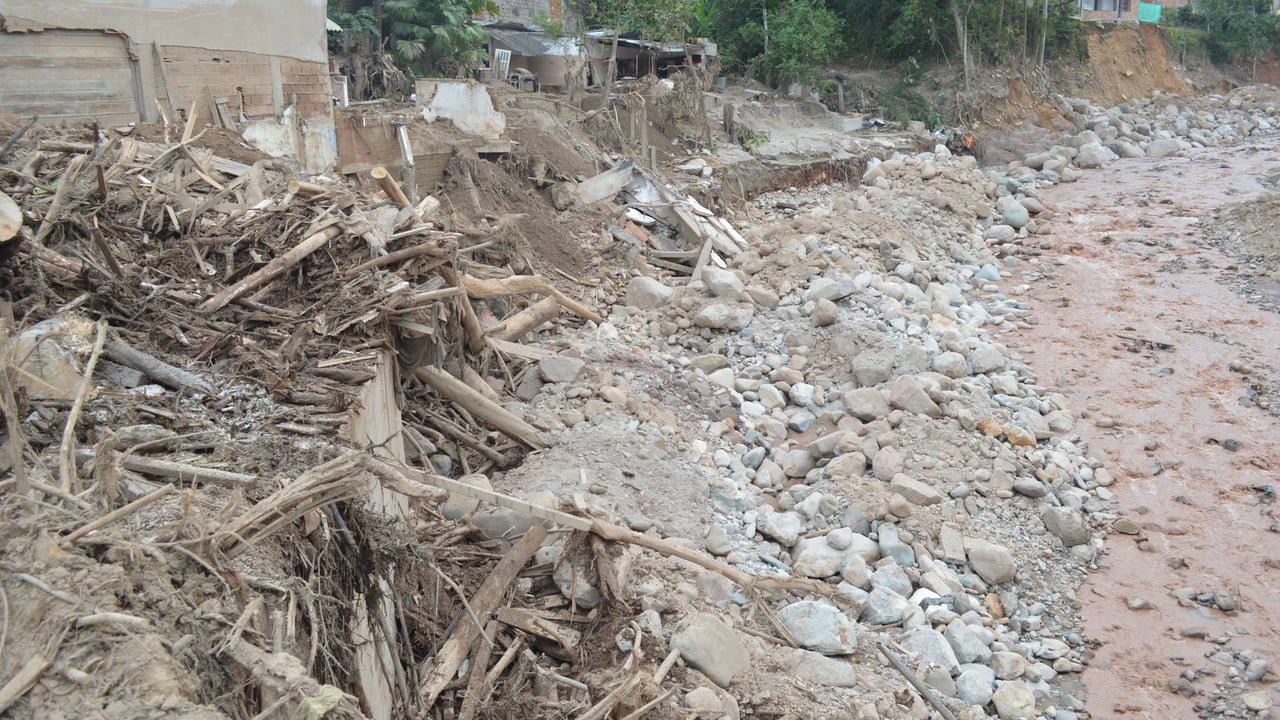
Photo by Franklin Peña Gutierrez on Pexels
The Brief
A severe mudslide originating on the Nepal side of the border struck Gyirong Port in Xizang's Gyirong County on August 26, leaving at least three people confirmed dead and 265 others missing, according to Chinese state media. The disaster triggered an immediate high-level emergency response, with Chinese military and People's Armed Police units deploying engineering equipment, search teams, and aerial reconnaissance drones to coordinate search-and-rescue efforts and clear blocked transportation corridors amid heightened concerns over secondary geological hazards.
Why it matters
Gyirong Port serves as a vital overland trade corridor connecting China and Nepal. The cross-border debris flow has disrupted critical transit infrastructure, endangered border communities, and mobilized significant regional emergency resources to conduct search-and-rescue operations in challenging high-altitude terrain.
China context
The rapid mobilization of Western Theater Command assets, Tibet Military District personnel, and the People's Armed Police reflects Beijing's established protocol for rapid disaster response along strategically sensitive border areas, emphasizing civil-military coordination and scientific rescue operations.
Editor's View
EDITOR'S VIEW — Analysis and inference, not factual reporting.
Operating in steep Himalayan valleys poses severe logistical hurdles for rescue teams, especially given the continuous threat of secondary landslides, unstable debris dams, and monsoon weather. The scale of the missing tally at an international border checkpoint underscores how vulnerable trans-Himalayan trade corridors remain to transboundary geological disasters.
What to watch
- Official casualty updates and search-and-rescue progress for the 265 missing individuals.
- Assessments from meteorological and geological agencies regarding secondary landslide and flood risks.
- Efforts to clear blocked border roads and restore operations at Gyirong Port.
Key Takeaways
- 1A mudslide originating in Nepal struck Gyirong Port in Shigatse, Xizang, on the morning of August 26.
- 2State media reported at least three confirmed deaths and 265 people missing.
- 3The PLA Western Theater Command, Tibet Military District, and People's Armed Police deployed rescue teams, engineering machinery, and reconnaissance drones to the area.
- 4Emergency personnel are focusing on locating the missing, relocating threatened residents, and mitigating secondary geological risks.
A catastrophic debris flow struck the border region of Gyirong County in Xizang Autonomous Region on August 26, leaving at least three people dead and 265 others missing, according to state media reports.
The disaster occurred around 10:30 a.m. local time when a mudslide that originated on the Nepalese side of the frontier surged across the border, impacting Gyirong Port and surrounding settlements in Shigatse Prefecture. The checkpoint is one of the primary overland transit hubs linking China and Nepal.
In response to the incident, Chinese leadership called for comprehensive search-and-rescue efforts to locate missing persons, evacuate and resettle residents from threatened zones, treat the injured, and implement rigorous monitoring to prevent secondary disasters.
The Western Theater Command activated its emergency response mechanism, establishing coordination between military forces and local civilian authorities to assess weather and geological conditions. A forward command group from the Tibet Military District was dispatched to the scene, alongside engineering units from the Shigatse military sub-district equipped with heavy machinery to clear debris and open access routes.
In addition, the Western Theater Command Air Force deployed an unmanned aerial vehicle to carry out aerial reconnaissance over the Gyirong Port area, surveying the extent of the damage and identifying potential hazards. Personnel from the People's Armed Police Tibet Corps Shigatse detachment reached Gyirong Town and Sale Township with specialized rescue gear, working in tandem with local emergency services to conduct search-and-rescue operations and clear blocked roads.
Rescue experts have noted that disaster response operations in the steep, high-altitude border valley face significant challenges, including fragile terrain, unstable soil structures, and the persistent threat of secondary mudslides and flash floods.
Sources
- 西藏吉隆遭受泥石流灾害 已造成265人失联3人遇难 — China News Service · 8/27/2026
- 西藏日喀则市吉隆县遭受泥石流灾害 解放军和武警部队官兵紧急救援 — China Military Online · 8/27/2026
- 吉隆县泥石流灾害救援面临哪些难点?专家分析应防范次生灾害 — China News Service · 8/27/2026