
Defense & StrategyAnalysis
Wang Yi Meets Iranian Counterpart as Tehran Signals Hormuz Reopening
Beijing urges Washington and Tehran to resume negotiations, while Iran claims an agreement with Oman on waterway access.
Share
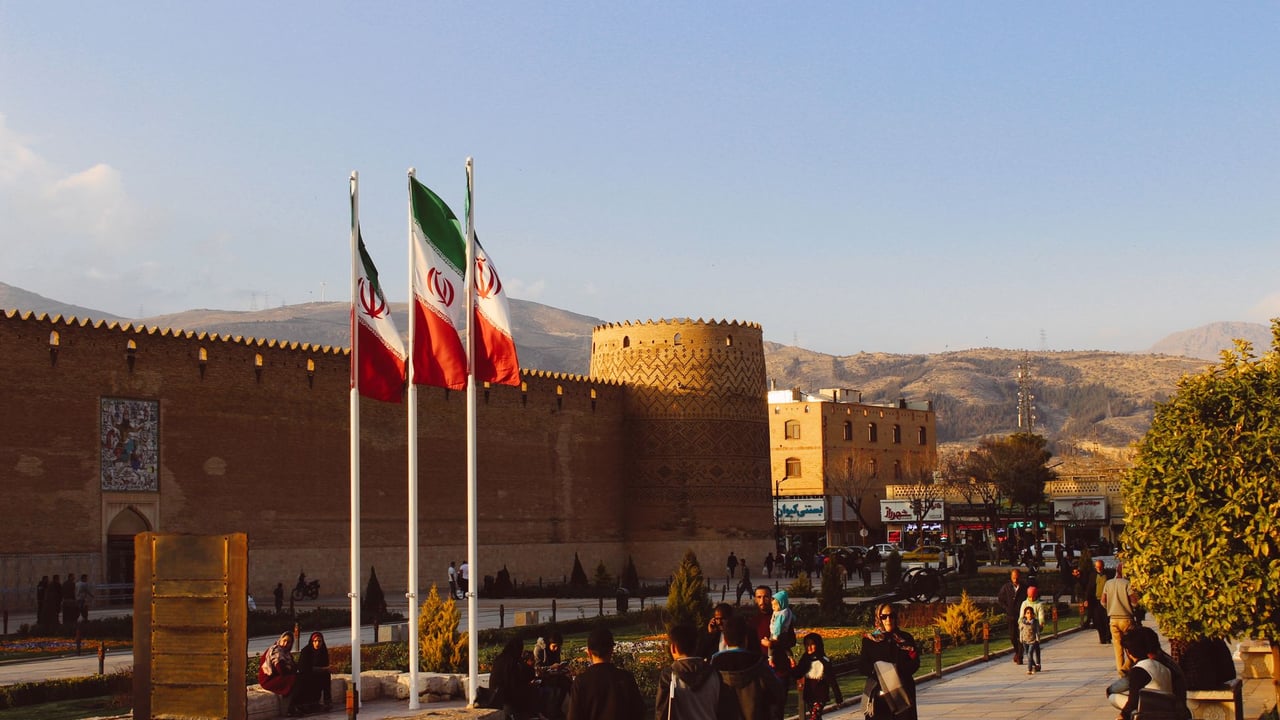
Photo by elif özlem aydeniz on Pexels
The Brief
Chinese Foreign Minister Wang Yi met with Iranian Foreign Minister Seyed Abbas Araghchi in Beijing on September 16, calling for restraint in ongoing US-Iran hostilities and an early reopening of the Strait of Hormuz. Araghchi stated that Tehran wishes to avoid prolonged conflict and has reached a framework with Oman to reopen the strategic waterway, asserting that the Islamabad Memorandum of Understanding remains valid. Wang reiterated China's backing for a restructured Middle East security framework and warned against conflicts spilling over into Yemen and the Red Sea.
Why it matters
Tehran's reported plan with Oman to reopen the Strait of Hormuz indicates an effort to lower regional tensions and ease pressure on critical international energy transit corridors. A diplomatic resolution between Washington and Tehran could also mitigate further spillover risks in Yemen and the Red Sea.
China context
As a major net importer of Middle Eastern crude, China has an acute economic and strategic interest in ensuring open navigation through the Strait of Hormuz and the Red Sea. Beijing is leveraging its comprehensive strategic partnership with Iran to position itself as a stabilizing diplomatic intermediary and advocate for an alternative regional security architecture.
Editor's View
EDITOR'S VIEW — Analysis and inference, not factual reporting.
The Beijing meeting highlights China's consistent posture in Middle Eastern crises: framing Washington's military confrontations as destabilizing while encouraging multilateral, dialogue-based frameworks that protect commerce. Araghchi's announcement of an Omani-mediated plan for the Strait of Hormuz allows Beijing to showcase diplomatic traction, though the viability of reopening the waterway ultimately hinges on Washington's stance and the enforcement mechanisms on the water.
What to watch
- Official US responses to Tehran's overtures and the reported Oman-brokered Hormuz plan.
- Commercial navigation status through the Strait of Hormuz and maritime security incidents near Yemen and the Red Sea.
- Follow-up diplomatic interactions between Iran and neighboring Gulf Arab states.
Key Takeaways
- 1Wang Yi met Iranian Foreign Minister Araghchi in Beijing, urging an end to US-Iran hostilities and a return to the Islamabad Memorandum of Understanding.
- 2Araghchi stated that Iran has formulated a plan with Oman to reopen the Strait of Hormuz and wants to pursue diplomatic de-escalation.
- 3Beijing warned against conflict spillover into Yemen and the Red Sea, calling for safe passage through crucial global energy corridors.
- 4China reaffirmed its support for establishing a new Middle East security architecture based on four principles proposed by Xi Jinping.
Chinese Foreign Minister Wang Yi held talks with Iranian Foreign Minister Seyed Abbas Araghchi in Beijing on September 16, addressing regional stability and the ongoing conflict between Iran and the United States, according to statements released by the Chinese Foreign Ministry and Xinhua.
During the bilateral discussions, Wang emphasized that prolonged hostilities between the United States and Iran harm the interests of both sides and the broader international community. He urged Tehran and Washington to maintain rationality and restraint, call for a prompt return to the Islamabad Memorandum of Understanding, and reconstruct negotiation channels based on existing consensus to address their respective security concerns.
Wang highlighted Beijing's concerns over critical international shipping corridors, urging all parties to take actionable steps toward an early reopening of the Strait of Hormuz to safeguard global energy supply chains. He also warned against actions that could cause tensions to spill over further toward Yemen and the Red Sea, reiterating Beijing's opposition to the use of force in international affairs. Wang noted that existing Middle East security arrangements remain incomplete, pointing to Chinese leader Xi Jinping’s four-point initiative to build a cooperative regional security architecture.
For his part, Araghchi conveyed that Iran does not seek a prolonged conflict and prefers a return to diplomatic tracks while safeguarding its sovereign interests, according to the official readouts. Araghchi stated that Tehran still considers the bilateral memorandum of understanding with the United States to be valid. He disclosed that Iran has reached a framework agreement with Oman regarding the opening of the Strait of Hormuz, calling on Washington to uphold its commitments.
Araghchi also expressed Tehran's willingness to engage in dialogue with neighboring Gulf states to restore regional peace and voiced support for Beijing's security initiatives, expressing hope that China will continue to play a constructive role in regional stability. Both diplomats affirmed their intention to maintain high-level exchanges and advance the comprehensive strategic partnership between China and Iran.
Sources
- 王毅同伊朗外长阿拉格齐会谈 — National Business Daily · 9/16/2026
- 王毅同伊朗外长阿拉格齐会谈--时政--人民网 — People's Daily · 9/16/2026