
Daily BriefAnalysis
Chinese President Xi Jinping Meets Slovak President Pellegrini in Beijing to Expand Strategic Partnership
Talks focus on emerging technologies, clean energy, and managing EU-China relations through dialogue.
Share
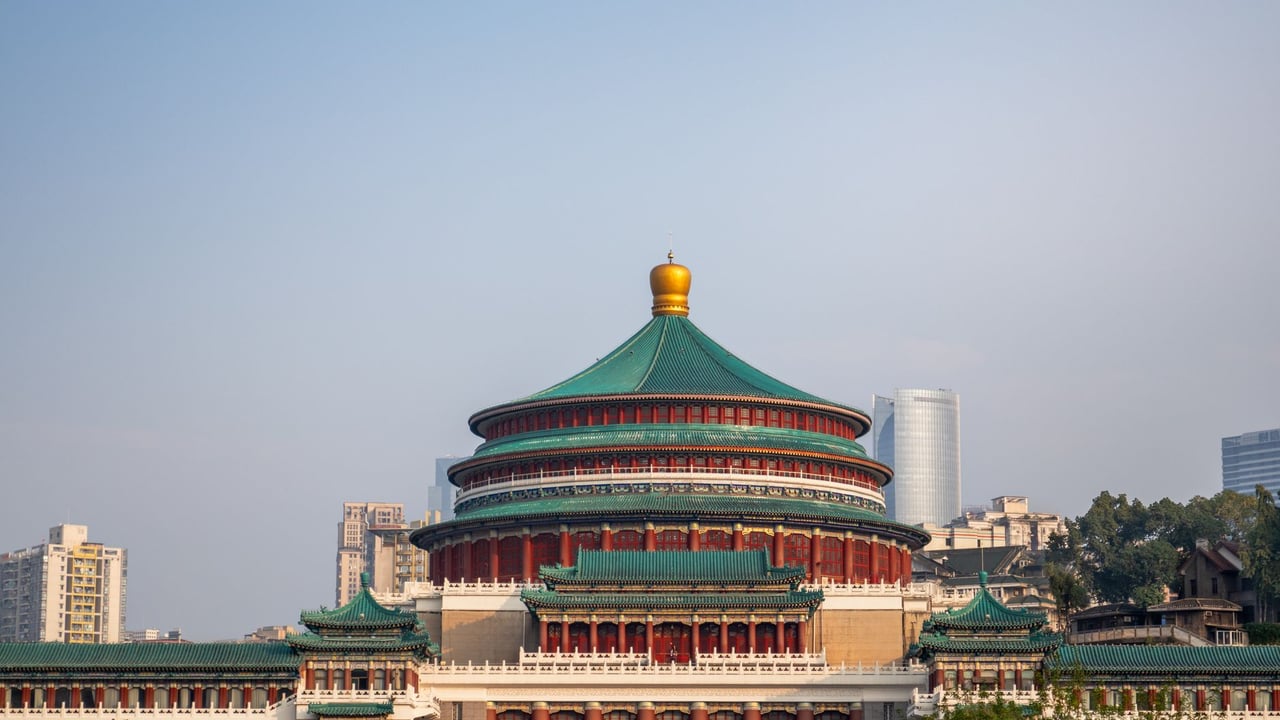
Photo by mg shawn on Pexels
The Brief
Chinese President Xi Jinping met with Slovak President Peter Pellegrini in Beijing on July 28, 2026, building upon the bilateral strategic partnership established in 2024. During state talks at the Great Hall of the People, Xi outlined four key priorities for future cooperation, emphasizing high-tech sectors such as artificial intelligence, robotics, digital economy, and clean energy. Pellegrini reaffirmed Slovakia's commitment to the One-China principle, welcomed Chinese corporate investments, and pledged to play a constructive role within the European Union to resolve broader trade and political differences between Beijing and Brussels through dialogue.
Why it matters
Slovakia serves as an important bridge for China within Central and Eastern Europe and the broader European Union. As EU-China ties navigate ongoing trade friction and regulatory debates, Beijing is leveraging bilateral diplomacy with receptive EU member states to secure economic partnerships in high-value industries like green tech and robotics. For Bratislava, deeper engagement with China offers opportunities for technology collaboration and foreign direct investment.
China context
For Beijing, strengthening ties with Slovakia aligns with its strategy to sustain cooperation under the Belt and Road Initiative and the China-CEEC framework. By highlighting forward-looking sectors such as artificial intelligence and clean energy, China seeks to shift the narrative of its foreign economic relations toward high-tech collaboration while fostering support among European nations for its diplomatic vision and global AI governance proposals.
Editor's View
EDITOR'S VIEW — Analysis and inference, not factual reporting.
The meeting underscores Beijing's pragmatic strategy in Europe: engaging individual EU member states willing to pursue industrial cooperation despite broader institutional tensions between Brussels and Beijing. Pellegrini's explicitly welcoming stance on Chinese investment in advanced manufacturing and clean technology provides China with a reliable partner inside the bloc, particularly as European nations deliberate on industrial policy and economic de-risking.
What to watch
- Implementation of prospective investment agreements in Slovakia's robotics, AI, and clean energy sectors.
- Slovakia's role in internal EU discussions regarding trade disputes and regulatory policy toward Chinese technology.
- Bilateral alignment on international AI governance frameworks following Pellegrini's support for Chinese proposals.
Key Takeaways
- 1Xi Jinping and Peter Pellegrini held talks in Beijing on July 28, 2026, to advance bilateral strategic relations.
- 2Cooperation priorities focus on emerging technologies including AI, robotics, digital economy, and clean energy.
- 3Pellegrini reiterated Slovakia's support for the One-China principle and invited Chinese corporate investment.
- 4Slovakia expressed commitment to facilitating EU-China dialogue to resolve differences and supporting global AI governance alignment.
Chinese President Xi Jinping held talks with visiting Slovak President Peter Pellegrini at the Great Hall of the People in Beijing on July 28, 2026, following an official welcoming ceremony. The meeting marked a significant step in expanding the strategic partnership formally established between the two nations in 2024.
During the talks, Xi emphasized the deep historical ties between China and Slovakia, noting that Slovakia was among the earliest countries to establish diplomatic relations with the People's Republic of China. He highlighted four priority areas for future collaboration: consolidating strategic mutual trust, deepening mutually beneficial cooperation, expanding people-to-people exchanges, and upholding international fairness and justice within the United Nations framework.
Xi specifically called for leveraging institutional mechanisms, such as the intergovernmental cooperation committee, to unlock potential in emerging industries. He pinpointed clean energy, the digital economy, advanced robotics, and artificial intelligence as primary focus areas for future bilateral economic engagement. Regarding China-EU relations, Xi noted that despite complex global changes and existing challenges, Beijing continues to view the EU as a strategic partner and called on Slovakia to play a constructive role in facilitating equal consultation to bridge differences between China and Europe.
President Pellegrini expressed admiration for China's development achievements and its structured five-year planning approach. Reaffirming Bratislava's adherence to the One-China principle, Pellegrini welcomed Chinese companies to invest in Slovakia, particularly in trade, artificial intelligence, robotics, and new energy. As an EU member state, Slovakia expressed its readiness to actively promote EU-China cooperation and advocate for resolving disputes through diplomatic dialogue and consultation. Pellegrini also voiced support for multilateralism based on international law and aligned Slovakia with the principles and proposals on AI governance presented by President Xi at the 2026 World Artificial Intelligence Conference.
The bilateral discussions reflect a concerted effort by both leaderships to solidify economic ties around high-tech and green transitions while maintaining open diplomatic channels across Central and Eastern Europe.
Sources
- 习近平同斯洛伐克总统佩列格里尼会谈 — State Council of China · 7/28/2026
- 习近平为斯洛伐克总统佩列格里尼举行欢迎仪式 — China Military Online · 7/28/2026
- 习近平同斯洛伐克总统佩列格里尼会谈 — Securities Times · 7/28/2026