
Business & IndustryAnalysis
Zhongwei Direct Green Power Model Attracts Data Center Investments
Direct renewable power lines in Ningxia reduce energy losses and operating costs, drawing 188.5 billion yuan in data infrastructure deals.
Share
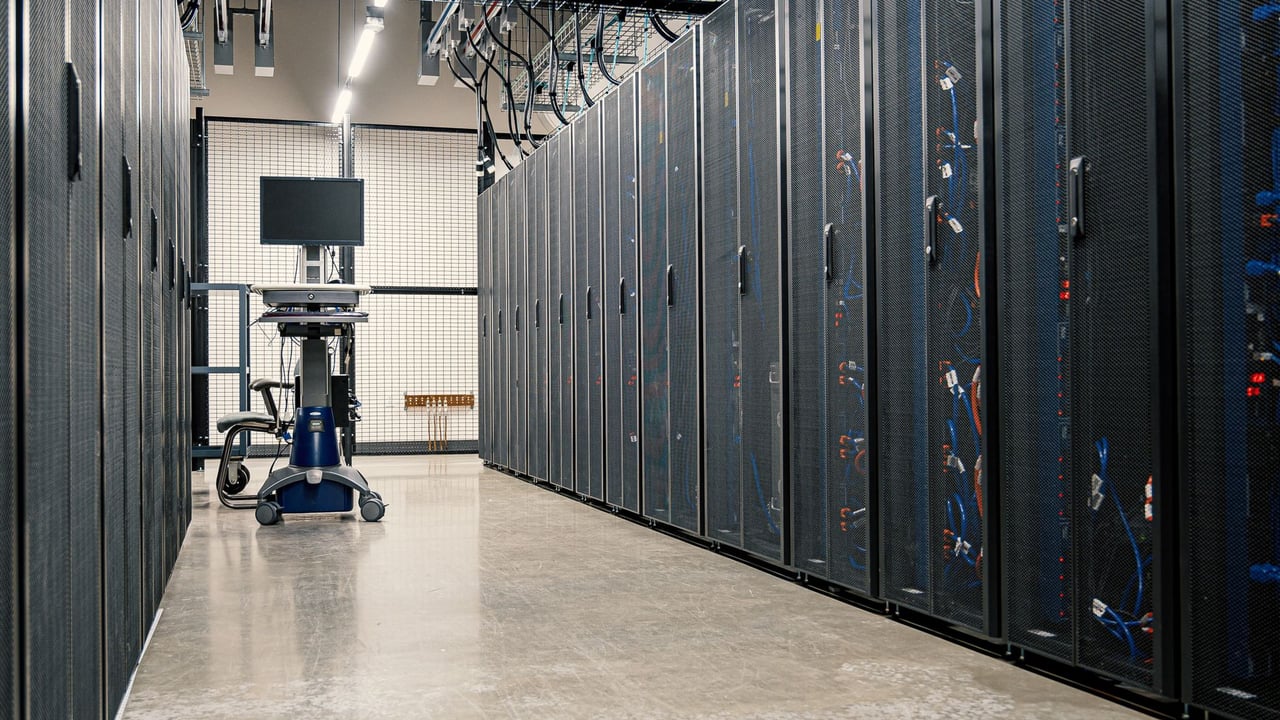
Photo by Brett Sayles on Pexels
The Brief
A direct green electricity supply project in Zhongwei, Ningxia, has begun delivering solar power to nearby data center clusters via dedicated lines, reducing transmission losses from 5% to under 3%. Supported by an 8.7 billion yuan investment, the facility will incorporate a 1.5 million kilowatt wind project in September to reach 4.3 billion kilowatt-hours in annual clean energy output. The model offers comprehensive power costs nearly half those in eastern China, helping data centers meet national green energy standards and attracting 188.5 billion yuan in intelligent computing investments as of June.
Why it matters
The deployment of direct green power transmission to data centers offers a workable model for pairing China's abundant western renewable energy with heavy computing loads. By directly lowering electricity costs and transmission losses, the approach supports strict national environmental requirements while helping China's data processing facilities maintain competitiveness under global carbon tracking standards.
China context
Under China's 'East-to-West Computing' strategy and dual-carbon targets, national data hubs face strict requirements: newly built data centers must maintain at least 80% green power usage and a Power Usage Effectiveness (PUE) below 1.2. Resource-rich western regions like Ningxia are seeking to convert solar and wind resources into computing capacity to attract investment from eastern economic hubs.
Editor's View
EDITOR'S VIEW — Analysis and inference, not factual reporting.
The integration of direct-supply green energy with data centers in Zhongwei illustrates how physical proximity to renewable power can redefine cost structures for compute-intensive industries. While dedicated line infrastructure circumvents traditional grid bottlenecks and lowers line losses, scaling this approach across other western regions will depend on maintaining steady supply through mixed wind-solar integration and managing long-term capital costs for local infrastructure.
What to watch
- Full grid connection of the 1.5 million kW wind power project in September and its ability to achieve 24/7 clean energy supply.
- Operational rollout of Zhonglian Data Group's first-phase facility in the second half of the year, including rack utilization rates for its 30,000 standard racks.
- The pace at which AI model training workloads and compute demand shift from eastern coastal regions to western green energy nodes.
Key Takeaways
- 1China's first large-scale direct green power project for computing went operational in Zhongwei in May with an 8.7 billion yuan investment.
- 2Dedicated 110 kV transmission lines reduce electricity loss from ~5% to under 3%.
- 3Zhongwei's direct green supply reduces overall electricity costs to nearly half those of eastern China.
- 4As of June, Zhongwei has secured 8 major intelligent computing center projects totaling 188.5 billion yuan in investment.
In May, China's first large-scale direct green electricity supply project for computing power went into operation in Zhongwei, Ningxia, marking a milestone in the nation's "computing-electricity synergy" strategy. Backed by an 8.7 billion yuan investment, the project links renewable generation directly to a nearby data center cluster via dedicated transmission lines, cutting power losses and operating costs.
The facility currently utilizes China Datang's 500,000-kilowatt solar power station located on the southeastern edge of the Tengger Desert, transmitting power via four 110-kilovolt dedicated lines directly to the data center hub just one kilometer away. According to Jin Liang, deputy general manager of Datang Zhongwei New Energy Co., Ltd., direct lines reduce transmission losses from approximately 5% under conventional grid stepping to below 3%. A complementary 1.5-million-kilowatt wind power project under construction is scheduled for full grid connection in September, which officials report will bring annual generation to 4.3 billion kilowatt-hours and enable round-the-clock green power coverage.
Lower electricity prices and direct green energy access are driving major data infrastructure investments in western China. Li Henghui, northwest regional general manager at Zhonglian Data Group, noted that electricity accounts for over 60% of computing facility operating costs, and Zhongwei's overall power rate is nearly half that of eastern China. Meeting national policy standards—which mandate that new national hub data centers maintain a green electricity ratio of at least 80% and a Power Usage Effectiveness (PUE) below 1.2—has become essential, particularly for export-oriented AI firms facing international carbon footprint tracking rules.
As of June, Zhongwei had signed agreements for eight ultra-large intelligent computing center projects totaling 188.5 billion yuan in investment, bringing the city's total capacity to 331,000 standard racks. This surge reflects broader trends in national infrastructure spending: official data shows China's fixed-asset investment reached 22.6 trillion yuan in the first half of the year, with investment in information transmission services expanding by 25.6% year-on-year.
Sources
- 绿电直供数据中心,成就一片投资热土(年中数据微视角) --经济·科技--人民网 — People's Daily · 7/28/2026