
# Alibaba
Latest news and articles about Alibaba
Total: 207 articles found

China’s E-Commerce Titans Reined In as Regulators Target ‘Involutionary’ Competition
Beijing regulators have summoned five major e-commerce platforms, including Alibaba and JD.com, to address unfair competition and lack of transparency during the '6.18' shopping festival. The move targets 'involutionary' tactics and misleading subsidy claims that harm merchants and consumers alike.

Alibaba's AI Soul-Searching: Internal Crisis at DingTalk Exposes the Limits of 'Speed at All Costs'
The failure of DingTalk's flagship 'ONE' AI project has triggered a management crisis and a rare intervention from Alibaba's top leadership. The fallout reveals a systemic struggle within the Chinese tech sector to balance aggressive AI deployment with sustainable organizational culture and employee well-being.

Alibaba Reboots DingTalk: Tech Prodigy Appointed CEO Following Public Cultural Crisis
Alibaba has replaced DingTalk CEO Chen Hang with 34-year-old technical expert Chen Yusen following a viral scandal over the unit's toxic management culture. The move signals a major strategic shift toward AI-centric development and a symbolic attempt to reform Alibaba's internal corporate values.

Alibaba’s Old Guard Rebukes DingTalk’s High-Pressure Culture in AI Course Correction
Alibaba’s Partnership Committee, led by Jack Ma and Joe Tsai, has publicly condemned the management culture at DingTalk following a viral 75,000-word critique by a former employee. The leadership warned that high-pressure, mechanical execution is incompatible with AI-era innovation and demanded a return to the company's core values of empathy and respect.
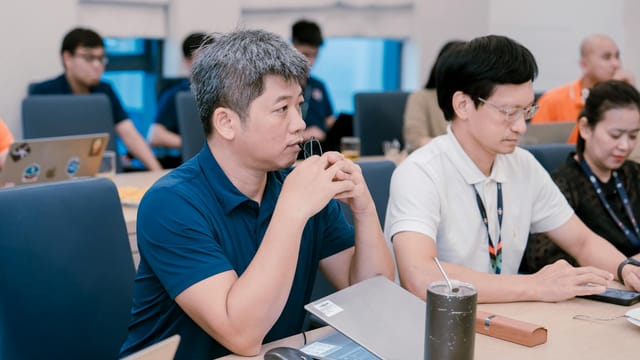
The Human vs. the Machine: Alibaba Leadership Rebukes Toxic Work Culture in the AI Age
Alibaba's top leadership has condemned DingTalk’s high-pressure management style following a viral internal complaint by a former employee. The company is emphasizing a return to 'humanity' and 'mutual respect,' arguing that creativity, rather than mechanical execution, is the primary driver of success in the AI era.
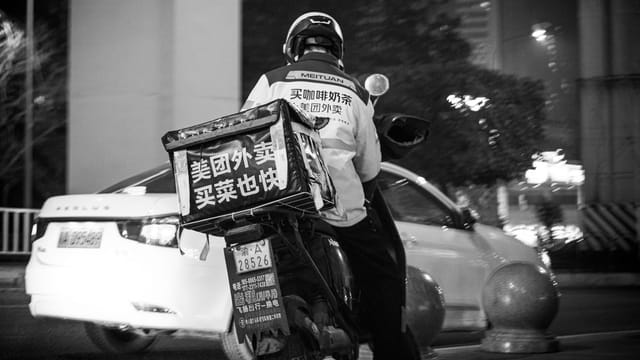
Drowning in the Reservoir: China’s Gig Economy Struggles as Delivery Subsidies Evaporate
China’s food delivery sector is facing a massive labor surplus as post-subsidy demand fails to support the 20 million riders currently in the market. The industry, once a vital buffer for unemployment, is now characterized by falling wages and extreme competition, reflecting broader structural weaknesses in the Chinese labor market.

Digital Underworld: The Persistent Crisis of Child Exploitation on Alibaba’s Xianyu
A recent investigation has uncovered a ring of child pornography sales on Alibaba's second-hand platform, Xianyu, where explicit photos of minors were sold for nominal fees. The scandal has sparked a national debate over the failure of platform moderation systems and the legal accountability of tech giants in protecting children from online exploitation.

The Trap of Total Transparency: How China’s Premier Workplace App Became a Prison for Its Own Creators
A viral 75,000-word exposé by a former DingTalk employee reveals a toxic culture of 'involution' and performative work within Alibaba’s office-tool division. The account details how AI tools intended for efficiency were repurposed for surveillance, highlighting a systemic crisis in Chinese Big Tech that is now drawing government intervention.
The Pentagon’s Widening Net: Washington’s New List Signals the Securitization of Chinese Big Tech
The U.S. Pentagon has expanded its 1260H list of Chinese military-linked companies to 188 entities, adding major tech firms like Alibaba and Baidu. This move signifies a strategic pivot toward broad technological containment, forcing Beijing to accelerate its drive for indigenous innovation and self-reliance in critical sectors like AI and biotech.

A New Front in the Tech Cold War: Pentagon Targets China’s Corporate Champions
The U.S. Department of Defense has added Alibaba, Baidu, NIO, and WuXi AppTec to its list of Chinese military-linked companies, sparking immediate denials and threats of legal action from the firms. While the designation primarily restricts U.S. government procurement rather than private investment, it signals a broadening of the U.S. strategy to neutralize China's Military-Civil Fusion efforts across AI, EVs, and biotech.
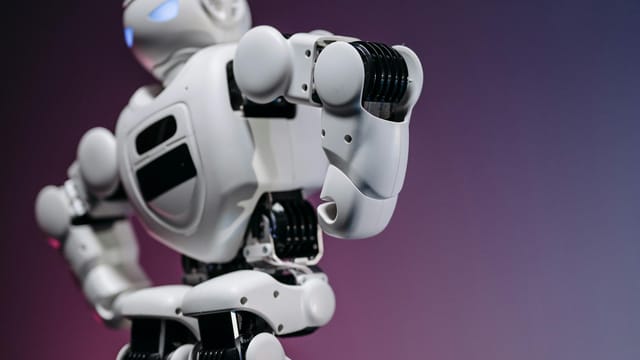
The $15 Million Engineer: Inside China’s Relentless AI Talent War
China's leading tech firms are offering uncapped salaries and nine-figure packages to secure AI Agent talent, leading to a strategic revaluation of older, experienced workers. As the focus shifts from base models to autonomous agents, the industry is transitioning toward a 'Super Individual' model that prioritizes industry expertise over traditional coding skills.

Alibaba’s AI Consolidation: Eddie Wu Takes Direct Command of New ‘Token Foundry’
Alibaba has merged its major AI departments into a new 'Token Foundry' unit under the direct leadership of CEO Eddie Wu. The move signals a shift from research-heavy investment to a commercialization phase, supported by the global success of its Qwen-3.7 models.