
# ByteDance
Latest news and articles about ByteDance
Total: 114 articles found

ByteDance’s Doubao Signals the End of the AI Free-for-All with High-Stakes Subscription Tiers
ByteDance's flagship AI chatbot, Doubao, is introducing a tiered subscription model with a top 'Professional' tier priced at 500 RMB per month. This marks a significant shift in the Chinese AI market from subsidized growth to aggressive monetization targeting high-end professional users.

Silicon Valley’s Mirror: China Secures Triple Crown on Global AI Influence List
TIME's 2026 ranking of the world's most influential AI companies features ByteDance, Alibaba, and Zhipu AI, marking a major milestone for Chinese tech. The list highlights China's dominance in mass-market AI adoption and its growing self-sufficiency in both software and hardware despite international trade pressures.

From Spirits to Silicon: Cambricon Reclaims China’s Stock Market Throne Amid AI Gold Rush
Cambricon Technologies has reclaimed the title of China's most expensive stock following an explosive Q1 2026 earnings report characterized by 159.6% revenue growth and positive cash flow. The surge reflects the massive demand for domestic AI hardware, though the company faces risks from high customer concentration and intensifying price competition with Huawei and Nvidia.

The Silicon Crucible: Alibaba’s HappyHorse Joins China’s Brutal AI Video Arms Race
Alibaba has launched its HappyHorse 1.0 video model to challenge ByteDance and Kuaishou in a rapidly maturing Chinese AI market. While technically proficient in short bursts, the model faces stiff competition from established rivals who have already integrated AI video into their massive e-commerce and entertainment ecosystems.

Beijing Signals End of AI Wild West as Regulators Crack Down on ByteDance’s Jianying
China’s internet regulator has penalized several major AI platforms, including ByteDance’s Jianying, for failing to comply with AI-generated content labeling requirements. This enforcement action highlights Beijing’s aggressive approach to regulating generative AI and its commitment to digital information control through strict transparency mandates.

Kuaishou’s Paradox: Record Profits and a Desperate AI Pivot Fail to Reassure Markets
Despite reporting record profits, Kuaishou faces a crisis of confidence as its e-commerce growth slows and user acquisition hits a ceiling. The company's massive 260 billion RMB gamble on generative AI has so far failed to convince investors, who are wary of high costs and stiff competition from ByteDance.
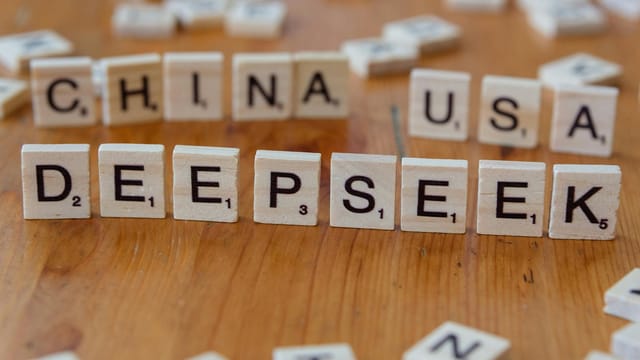
The High Price of Purity: DeepSeek’s Talent Exodus and China’s AI Wage War
DeepSeek's latest technical report reveals a significant loss of core researchers to Chinese tech giants, highlighting the intense competition for AI talent. Despite its technical success, the firm's refusal to accept external funding limits its ability to compete with the massive salary and equity packages offered by VC-backed rivals and Big Tech.

The End of the Synthetic CEO: Douyin’s Crackdown Signals China’s New Front in AI Governance
Douyin has launched a massive crackdown on AI-generated content, removing over half a million videos and targeting 'AI Overbearing CEO' personas that exploit elderly users. This move aligns with new national regulations aimed at purging deepfakes and preserving the integrity of Chinese cultural classics.

ByteDance's Digital Border Patrol: Douyin Intensifies War on Synthetic Impersonation
ByteDance's Douyin has purged over half a million videos in a major crackdown on AI deepfakes and voice cloning. The move highlights the escalating technical and regulatory challenges of managing generative AI on high-traffic social platforms.

The AI Paradox: Why Technological Superiority is Killing Big Tech Valuations
A new market trend has emerged where AI success is causing valuation 'contraction' for tech giants as investors fear the disruption of legacy business models. Despite record profits and technological breakthroughs, incumbents like Microsoft and Tencent are seeing their multiples shrink as the market shifts its favor toward unlisted, pure-play AI firms.

From SEO to GEO: China’s $1.2 Billion Bet on Regulating the AI Search Era
China is formalizing the Generative Engine Optimization (GEO) industry, pivoting away from exploitative 'gray' growth toward a regulated, data-driven market expected to reach 9 billion yuan by 2027. This shift signals a new phase in AI-integrated commerce where large language models become the primary gatekeepers for consumer traffic and direct e-commerce conversions.

The 14-Million-Dollar Brain: China’s Tech Giants Ignite a Cutthroat War for AI Talent
ByteDance’s high-profile hiring of a DeepSeek researcher highlights a frantic and expensive talent war in China's AI sector. As tech giants compete for 'Post-95' scientists, astronomical compensation packages and frequent cross-firm poaching are becoming the new industry standard.