
# IAEA
Latest news and articles about IAEA
Total: 25 articles found
The 31-Day War: Nuclear Red Lines and Regional Attrition as Iran Rejects ‘Extreme’ US Demands
The conflict between Iran, Israel, and the U.S. has reached a dangerous milestone at 31 days, marked by the destruction of Iran's Khondab heavy water plant and direct strikes on U.S. regional bases. Despite mediation efforts by a quartet of regional powers, Tehran has rejected a 15-point U.S. peace proposal, opting instead for a strategy of asymmetrical escalation and targeting of political leadership.
Brinkmanship in Bushehr: Repeated Strikes on Iran’s Nuclear Plant Signal a Dangerous New Phase of Conflict
Iran has reported three separate attacks on its Bushehr nuclear power plant within a ten-day period, raising global alarms over the risk of a radiological disaster. Although no damage or leaks have been confirmed, the IAEA is urging restraint as geopolitical tensions between Iran and its adversaries reach a boiling point.

Brinkmanship in the Gulf: Repeated Strikes on Iran’s Bushehr Plant Signal Heightened Regional Peril
Iran’s Bushehr nuclear power plant was targeted for the second time in a week on March 24, 2026, prompting an urgent call for restraint from the IAEA. While no damage or casualties were reported, the frequency of these strikes signals a dangerous escalation in regional tensions and a direct threat to nuclear safety protocols.

Brinkmanship at Bushehr: Targeted Strike on Iran’s Nuclear Plant Tests Global Red Lines
An attack on Iran’s Bushehr nuclear power plant on March 24 has prompted urgent calls for restraint from the IAEA. While no physical damage was reported, the incident highlights the growing risks of a radiological disaster amidst escalating regional tensions.

Iran Executes Alleged Mossad Agent as Bushehr Nuclear Plant Is Struck; IRGC Vows ‘Toughest’ Retaliation
Iran executed an individual it says spied for Mossad and announced plans for a major retaliatory strike after a projectile struck the Bushehr nuclear plant complex. The IAEA confirmed the strike but reported no damage or casualties while urging restraint, underscoring heightened risks of military escalation and potential nuclear safety consequences.
Iran Accuses US and Israel of Striking Natanz, Urges IAEA to Condemn ‘Illegal’ Attack
Iran has accused the United States and Israel of conducting two strikes on the Natanz nuclear facility and has asked the IAEA to condemn the attacks. Tehran stresses its programme is peaceful, vows legal action, and signals defensive measures while the incident heightens risks of escalation and complicates diplomatic efforts over its nuclear activities.
Echoes of 2003: U.S. Rhetoric on Iran Raises Fears of an Iraq‑style Build‑Up to War
The United States has intensified military deployments and public accusations against Iran, raising alarms that Washington may be following an Iraq‑war playbook of overstating threat to justify intervention. International agencies and some intelligence assessments contradict claims of an imminent Iranian nuclear or intercontinental missile threat, while signs of Israeli‑U.S. coordination and low domestic support for new foreign wars complicate the picture.
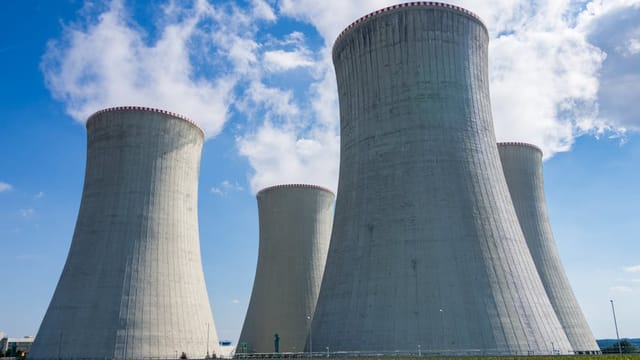
Third Round of Indirect Iran–U.S. Talks Conclude as Tehran Repeats: No Intent to Build Nuclear Weapons
A third round of indirect Iran–U.S. talks has ended with Iranian officials reiterating that Tehran will not pursue nuclear weapons. The mediated talks seek technical compromises on enrichment limits, IAEA access, and sanctions relief, but translating broad assurances into verifiable measures will be the essential next step.
Iran Says a Quick Nuclear Deal Is Feasible If U.S. Accepts Tehran’s Public Pledge
Ali Shamkhani, Iran’s senior security official, said a swift nuclear deal with the United States is possible if talks centre on Tehran’s public pledge not to pursue nuclear weapons. The third round of indirect talks in Geneva, mediated by Oman and observed by the IAEA chief, underscores the tension between political assurances and the verification Western states require.
IAEA Chief Holds Technical Talks with Iran Ahead of Renewed Geneva Nuclear Talks
IAEA Director General Rafael Grossi said he held technical discussions with Iran's foreign minister Araghchi to prepare for a second round of indirect U.S.–Iran nuclear talks in Geneva on February 17. The IAEA's engagement aims to settle verification details ahead of political negotiations that remain divided over sanctions relief and sequencing.
Trump Warns of Military Strikes if Iran Reawakens Nuclear Work, Raising Risks of Regional Escalation
President Trump warned on February 4 that the U.S. would strike Iran if it attempted to restart its nuclear programme or build new facilities abroad, saying U.S. intelligence had identified such plans. The public threat raises the risk of escalation, complicates diplomacy and places emphasis on independent verification from institutions like the IAEA.

Iran Asserts Conventional Deterrence as IAEA Board May Refer Nuclear File to UN Security Council
Iran’s nuclear chief said Tehran can defend itself without nuclear weapons and warned the IAEA board may refer its nuclear dossier to the UN Security Council in March. The comments signal a diplomatic standoff in which Western capitals press for accountability while Iran stresses conventional deterrence and limited cooperation with safeguards.