
# Iran
Latest news and articles about Iran
Total: 1260 articles found
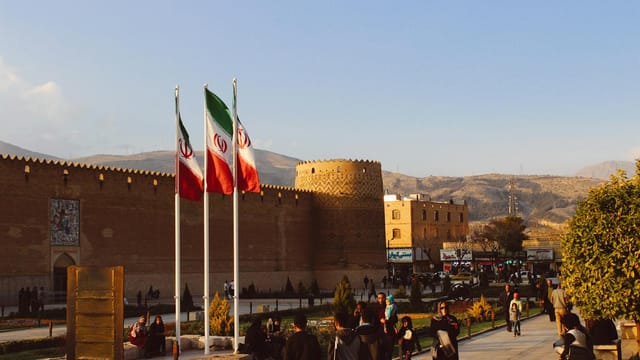
Brinkmanship and Blockades: Can Trump and Tehran Break the Deadlock in Islamabad?
Tensions between the US and Iran have reached a critical juncture as President Trump confirms a total naval blockade while simultaneously hinting at a diplomatic breakthrough. With a potential second round of direct negotiations scheduled for October 16 in Islamabad, the international community is watching to see if the threat of economic strangulation can force a nuclear concession from Tehran.
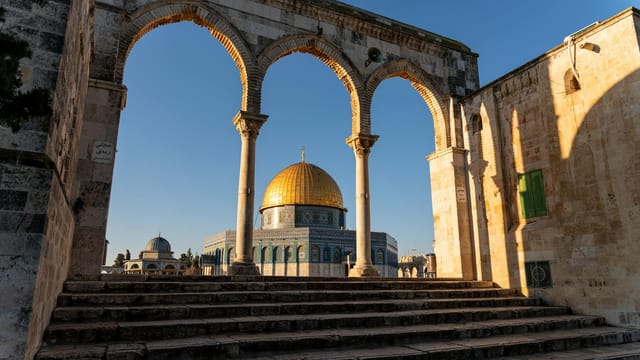
A Powder Keg in Jerusalem: Iran Demands Collective Action Following Ben-Gvir’s Al-Aqsa Visit
Iran has issued a sharp condemnation of Israeli National Security Minister Itamar Ben-Gvir’s visit to the Al-Aqsa Mosque compound, calling it a provocation. Tehran is urging Islamic nations and the OIC to take collective measures to protect the sanctity of the site and maintain the historical status quo.
Cracks in the Atlantic: Spain Rebukes Trump’s 'Unjustified' Blockade of Iran
Spain's Defense Minister Margarita Robles has condemned the U.S. decision to blockade Iranian ports, calling the move 'unjustified' and 'absurd.' The rebuke signals a deepening divide between Washington and its European allies over military unilateralism and international law.
Stalemate at Home: Netanyahu’s Shrinking Mandate Amidst a Fragile Ceasefire
A recent poll by the Hebrew University reveals that Israeli public opinion is almost evenly split on the current US-Iran ceasefire. Despite the split on Iran, over 60% of Israelis support continued military operations against Hezbollah, while Prime Minister Netanyahu's approval ratings continue to decline ahead of the October elections.
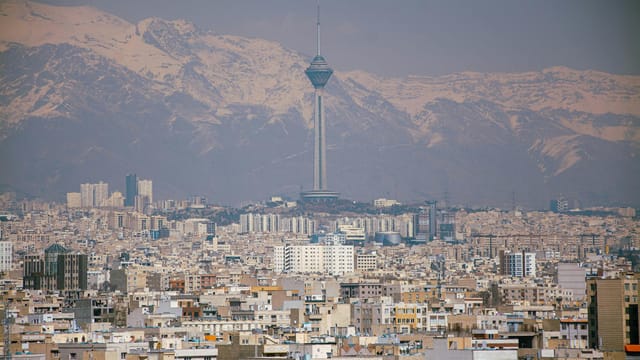
Tehran’s Strategic Patience: Pezeshkian Signals Diplomatic Opening Amidst Rising Maritime Friction
Iranian President Pezeshkian has reached out to French President Emmanuel Macron to express a readiness for continued negotiations under international law. Amidst threats of a U.S. maritime blockade and stalled talks in Pakistan, Tehran is positioning itself as a responsible actor while warning of global trade disruptions if its interests are compromised.
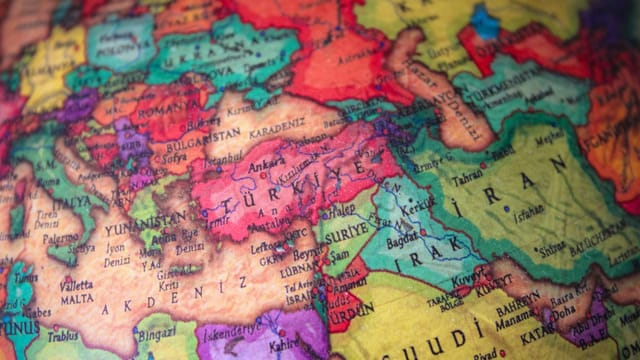
Tehran’s Legal Offensive: Iran Demands War Reparations from Five Middle Eastern Neighbors
Iran has formally requested reparations from Saudi Arabia, the UAE, Qatar, Bahrain, and Jordan for their alleged role in aiding U.S. and Israeli military actions. This move shifts the regional conflict into a legal framework, demanding compensation for material and moral damages while complicating regional normalization efforts.

Brinkmanship in the Gulf: Trump’s Return to 'Maximum Pressure' Risks Regional Firestorm
The Trump administration has ordered a maritime blockade of Iranian ports following failed diplomatic negotiations, escalating tensions in the Strait of Hormuz. While seeking to avoid a full-scale war, the U.S. is leveraging limited military strikes and economic pressure to force concessions from Tehran.
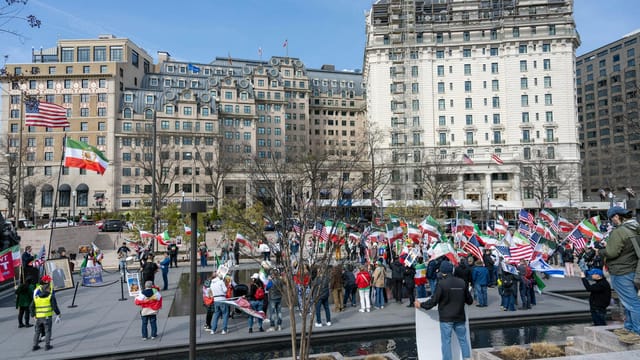
The Islamabad Near-Miss: Why the Iran-US Breakthrough Stalled at the Finish Line
Recent Iran-US negotiations in Islamabad reached the final stages of a potential deal before stalling due to what Tehran describes as shifting American demands and blockade threats. Foreign Minister Araghchi warned that the opportunity for a breakthrough is being undermined by a lack of American consistency and goodwill.
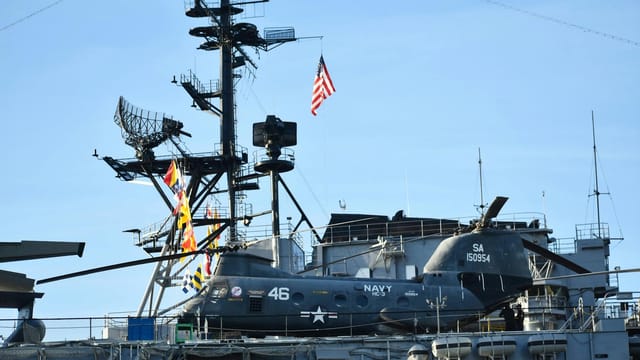
Chokepoint Brinkmanship: Assessing the Risks of a U.S. Naval Blockade on Iran
The U.S. has initiated a naval blockade on all maritime traffic entering or exiting Iranian ports, a move that Chinese military experts warn could trigger a full-scale conflict. By positioning forces in the Gulf of Oman, Washington seeks to exert control over the Strait of Hormuz, though Iran's anti-ship arsenal remains a formidable deterrent.
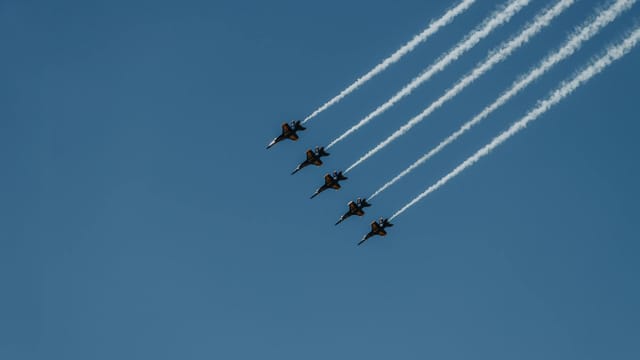
The Return of Maximum Pressure: Trump Issues Lethal Warning to Iranian Naval Forces
Donald Trump has authorized the U.S. military to destroy any Iranian fast attack craft approaching blockade zones, marking a significant escalation in Gulf tensions. This directive shifts U.S. policy toward active neutralization of Iranian asymmetric naval threats, raising the risk of a direct kinetic conflict.

Maximum Pressure 2.0: Trump Signals Cuba is Next on Washington’s Target List
President Trump has issued a fresh warning to Cuba, suggesting the island nation will be the next focus of U.S. foreign policy after the Iran issue is resolved. This escalation follows recent military and economic pressures applied to Venezuela and a tightening of the decades-old embargo.
Divided at Home, Deadlocked Abroad: Israel’s Impossible Ceasefire Calculus
A new poll reveals a deep divide in Israeli public opinion regarding the recent ceasefire with Iran, with support for the Prime Minister hitting new lows. Despite the diplomatic efforts in Islamabad, a majority of Israelis favor continued military action against Hezbollah, complicating the path to regional de-escalation.