
# Manufacturing
Latest news and articles about Manufacturing
Total: 49 articles found

China Industrial Output Growth Accelerates to 5.3% Year-on-Year in June 2026
Manufacturing and high-tech equipment drive a 0.8 percentage point uptick from May, offsetting drag from mining and raw materials.

China's Humanoid Robotics Sector Speeds Up Supply Chain Integration
As annual manufacturing capacity targets reach tens of thousands of units, embodied AI shifts from laboratory concepts toward industrial mass production and ecosystem coordination.

China-Europe Railway Express Tops 130,000 Trips and $520 Billion in Goods
NDRC data highlights a decade of growth as Eurasian rail freight transforms into a core trade channel for Chinese manufacturers.

Beijing Urges Taiwan to Lift Import Ban on Mainland Motorcycles
Taiwan's trade prohibition on complete mainland vehicles blocked Zhangxue Motor's plans to open retail stores, prompting a call from Beijing for regulatory changes.
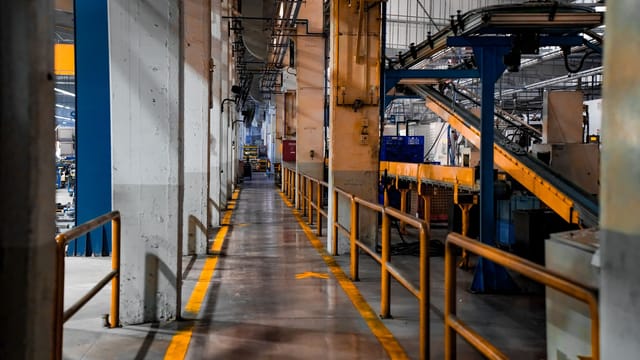
Established Chinese Factories Pivot to Embodied Intelligence and Robotics
Traditional manufacturers are exploring new growth paths by integrating AI and robotic technologies into physical industrial settings.

China Industrial Profits Rise 18.7% in First Half of 2026 as AI Demand Booms
Surging demand for computing hardware, semiconductors, and raw materials propels earnings across major industrial enterprises.

China Foreign Capital Inflows Rise as High-Tech Investment Surges
Ministry of Commerce data highlights a 61% jump in high-tech FDI inflows and growing profit reinvestment by foreign firms.
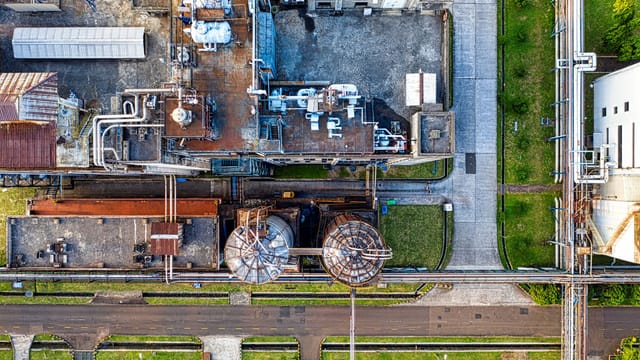
Xi'an Smart Manufacturing Tour Highlights Shaanxi Industrial Upgrades
Smart factories and 5G IoT adoption in Xi'an showcase how data and computing power are transforming traditional manufacturing in western China.

China's Robot Exports Surge as Domestic Manufacturers Expand Global Reach
Driven by industrial, surgical, and bionic models, Chinese robot exports grew across major manufacturing hubs as official customs categories took effect.
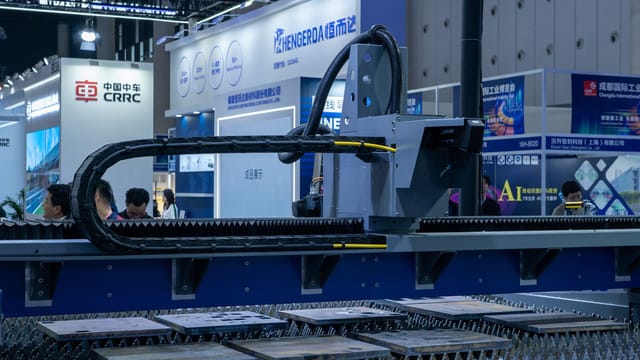
China's Industrial Output Increased 5.4% in First Half of 2026
Smart manufacturing, AI adoption, and high-tech exports supported industrial expansion as Beijing prepares for its 15th Five-Year Plan.

China's Construction Machinery Sector Reports Strong Growth in H1 2026
Rising exports and a surge in electric equipment sales drive robust performance for key industrial players.
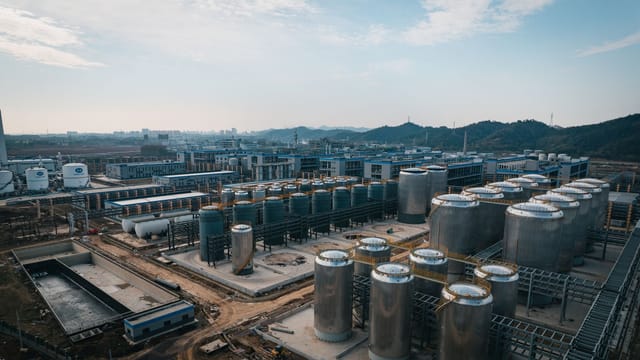
China’s Industrial Output Grows 5.3% in June Amid Steady Recovery
Value-added industrial output for major enterprises maintains growth momentum as the nation focuses on manufacturing upgrades.