
# Pete%20Hegseth
Latest news and articles about Pete%20Hegseth
Total: 27 articles found
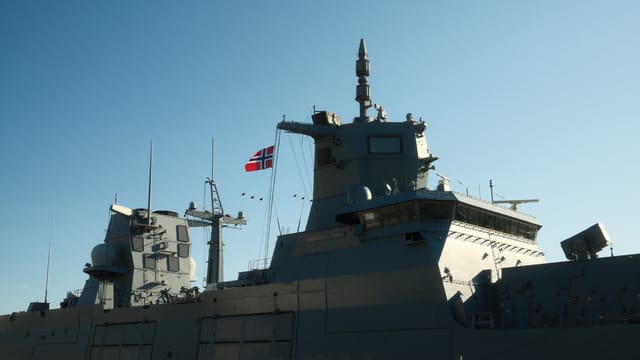
NATO 3.0: Washington Issues a Six-Month Ultimatum for European Strategic Autonomy
U.S. Defense Secretary Pete Hegseth has announced a 'NATO 3.0' review to shift the primary burden of European defense to local allies within six months. The move includes a critical reassessment of U.S. troop presence and follows sharp rebukes of allies who restricted U.S. military access during recent Middle East operations.

The Price of Silence: US Senate Moves to Squeeze Pentagon Budget Over Iranian Civilian Deaths
The U.S. Senate Armed Services Committee has moved to freeze 75% of Defense Secretary Pete Hegseth's travel funds until the Pentagon releases unredacted reports on an airstrike that killed 175 people at an Iranian school. This bold use of the NDAA highlights growing bipartisan anger over military secrecy and a lack of transparency regarding civilian casualties.
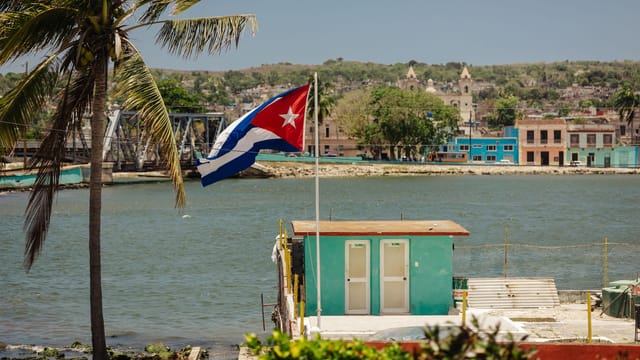
Hegseth’s Guantanamo Gambit: Washington Ratchets Up the Pressure on Havana
U.S. Defense Secretary Pete Hegseth made a surprise visit to Guantanamo Bay, signaling a hardline stance against Havana by stating all options are on the table regarding the island's leadership. The move highlights a dual-track U.S. strategy of public military posturing and economic pressure combined with quiet, high-level intelligence and military dialogues.

Washington’s Strategic Pivot: How US-China De-escalation is Rattling Indo-Pacific Allies
Recent high-level military talks between the U.S. and China have led to a visible de-escalation in rhetoric, particularly regarding Taiwan. This shift toward 'constructive strategic stability' is creating uncertainty for allies like Japan and the Philippines, who face pressure to increase their own defense spending while the U.S. prioritizes crisis management with Beijing.
Prague’s Fiscal Reality Check: The NATO Defense Target and the New American Transactionalism
Czech Prime Minister Andrej Babiš has signaled that the country will likely miss NATO's 2% defense spending target in 2026 due to budget constraints. This comes amid hardening U.S. rhetoric demanding that European allies end their reliance on American military subsidies and prioritize self-sufficiency.

Brinkmanship in Singapore: Hegseth Signals Military Readiness Amid Stalled Iran Talks
U.S. Defense Secretary Pete Hegseth told the Shangri-La Dialogue that while Washington seeks a diplomatic solution with Iran, military options remain ready if talks fail. The statement follows a period of intense kinetic conflict and maritime blockades that have significantly disrupted global energy supplies and regional stability.
The Empty Chair in Singapore: Beijing’s Strategic Downgrade at the Shangri-La Dialogue
China opted to send retired diplomat Cui Tiankai to the Shangri-La Dialogue instead of Defense Minister Dong Jun, signaling a deliberate downgrade in military-to-military engagement. This move follows a brief period of perceived thawing and reflects Beijing’s deep-seated mistrust of U.S. strategic intentions regarding mineral security and regional tensions.
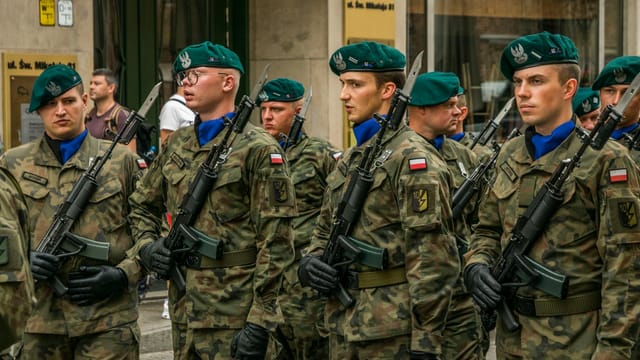
Transactional Security: The Sudden Retraction of U.S. Forces from Poland’s Frontline
The Pentagon has canceled the deployment of 4,000 troops to Poland and additional units to Germany, signaling a sharp pivot toward a transactional defense model. This move, directed by Secretary Pete Hegseth, serves as leverage to pressure European allies on defense spending and retaliate against those non-compliant with U.S. policy in the Middle East.
Trump’s Beijing Gambit: Why Pete Hegseth’s Presence Signals a New Era of Integrated Brinkmanship
Donald Trump’s 2026 visit to Beijing, accompanied by Secretary of Defense Pete Hegseth, marks a historic departure from 53 years of diplomatic protocol. This integration of military leadership into presidential diplomacy signals a shift toward a security-first approach in U.S.-China relations, aiming to revitalize stalled crisis management channels through direct high-level engagement.

The Hormuz Trap: Trump’s Pivot from ‘Project Freedom’ to Strategic Uncertainty
The U.S. confrontation with Iran in the Strait of Hormuz has hit a stalemate, forcing the Trump administration to suspend its 'Project Freedom' naval initiative. Despite claims of military victory, rising oil prices and bond yields suggest the U.S. is caught in a strategic trap where unilateral military and financial tools are proving insufficient.

Shifting the Line: The Pentagon’s 5,000-Troop Pivot Away from Germany
U.S. Defense Secretary Pete Hegseth has ordered the withdrawal of 5,000 American troops from Germany within the next year. This move signals a major recalibration of the transatlantic security partnership and places pressure on European allies to increase defense self-sufficiency.

Executive Overreach or Strategic Necessity? Trump Challenges War Powers Act in Iran Stand-off
President Trump has declared the 1973 War Powers Act unconstitutional, indicating he will not seek congressional approval for military operations in Iran. The administration is utilizing a 'ceasefire' legal loophole to bypass the 60-day legislative deadline for troop withdrawal.