
# Saudi%20Arabia
Latest news and articles about Saudi%20Arabia
Total: 55 articles found

Beijing Urges Restraint as Gulf Drone Attacks Threaten Asian Oil Shipments
China expressed deep concern over rising Middle East tensions, condemning indiscriminate attacks on civilians and non-military targets and urging an immediate halt to military actions and a return to dialogue. The statement follows Saudi claims that dozens of Iranian drones targeted tankers bound for Asian markets, highlighting risks to energy supplies and global trade.
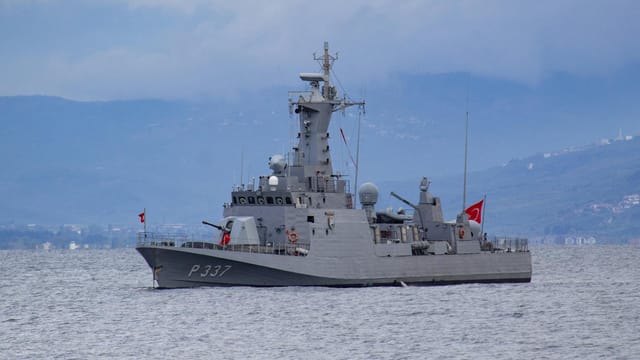
Pakistan Sends Chinese-Built Frigate into Strait of Hormuz, Shifting the Naval Balance
Pakistan has deployed the Chinese-built Type 054A/P frigate Shahjahan to escort its merchant ships in the Gulf of Oman and eastern approaches to the Strait of Hormuz, a move framed as a sovereign, non-aligned effort to protect vital trade and energy flows. The mission gives Islamabad greater autonomy and helps break the U.S.–Iran naval duopoly in the waterway, while highlighting capability gaps that will likely push Pakistan toward acquiring larger destroyers and deeper logistical arrangements.
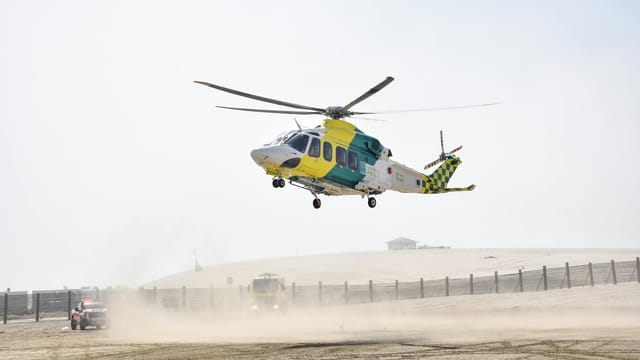
China Repatriates Over 10,000 Citizens from Gulf as Middle East Air Traffic Remains Disrupted
China has repatriated over 10,000 citizens from Gulf states after a coordinated push by the Foreign Ministry and the Civil Aviation Administration to expand flights and secure direct routes. The operation reflects Beijing's growing capacity and willingness to protect nationals abroad amid Middle East air-traffic disruptions linked to hostilities involving the US, Israel and Iran.

China Urges Ceasefire as Saudi Foreign Minister Appeals for Beijing’s Mediation
China’s Middle East envoy met Saudi Foreign Minister Faisal in Riyadh as both sides voiced concern over a widening regional conflict. Saudi Arabia praised China’s role and urged Beijing to push for a ceasefire, while China reiterated calls for an immediate halt to hostilities and offered to play a constructive mediating role.
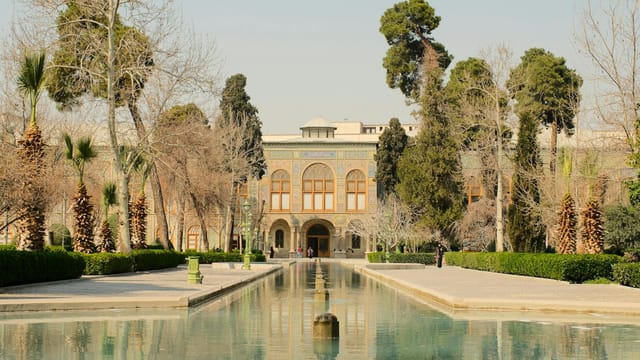
Iran’s Public Apology and Immediate Counterstrikes Expose Fractures at the Top
A televised apology from Iran’s interim president was swiftly contradicted by military strikes, exposing glaring divisions between civilian leaders and armed forces. The episode heightens the risk of miscalculation in an already volatile region and intensifies a domestic power struggle over who sets Iran’s strategic direction.
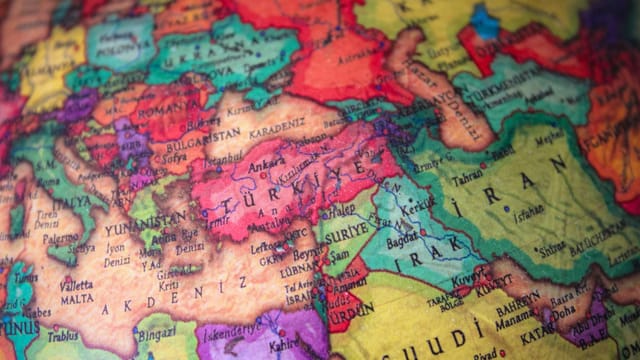
Pakistan's Tightrope: Warning Iran to ‘Exercise Restraint’ as Riyadh Pact Raises Stakes
Pakistan has publicly warned Iran to exercise restraint in strikes against Saudi Arabia after signing a mutual defence arrangement with Riyadh, placing Islamabad in a difficult balancing act between treaty obligations and neighbourly ties with Tehran. The move elevates Pakistan’s role in Gulf security but also risks entangling it in escalating regional rivalries influenced by China, Russia and the United States.

Drone Strike on U.S. Embassy in Riyadh Sends Oil and Gold Higher as Trump Warns of Retaliation
A drone attack on the U.S. embassy in Riyadh and U.S. signals of military retaliation triggered sharp moves in global markets on March 3, lifting oil, fuel, and precious metals. President Trump’s War Powers notice and his warning of imminent retaliation have increased the risk premium on Gulf supplies and heightened the prospect of further escalation.

Inside the Strike That Toppled Iran’s Supreme Leader: How a Joint U.S.–Israeli Operation Rewrote the Rules of Engagement
A coordinated U.S.–Israeli air strike that killed Iran’s supreme leader represents a tactical and strategic turning point in the Middle East, combining unprecedented co‑basing of aircraft, improved precision targeting and expanded allied air‑defence integration. The operation lowers the threshold for direct strikes on top leadership, raises the prospect of further escalation and accelerates regional realignment, particularly among Gulf states.
Worst-Case Oil Shock Looms as Strait of Hormuz Incident Threatens Global Supplies
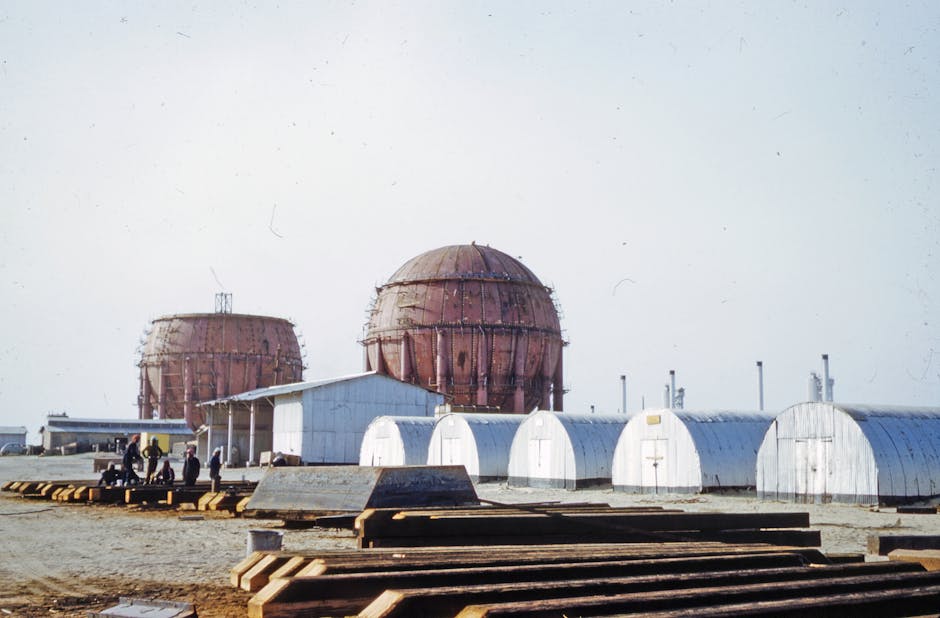
Following US and Israeli strikes on Iran and an IRGC ban on transit through the Strait of Hormuz, the global oil market faces the risk of a large supply shock. Analysts warn that prolonged disruption—especially if Saudi infrastructure were targeted—could send crude above $100 a barrel and push LNG back to 2022 highs, with wide economic consequences.
Eight Foreign Ministers Condemn Israel Over Ceasefire Breaches, Warn of Regional Fallout
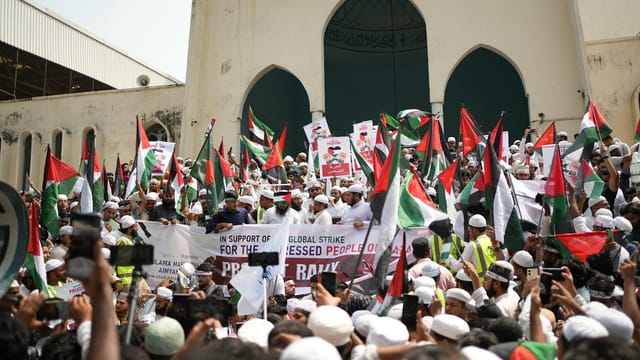
Eight foreign ministers from Arab and Muslim-majority states jointly condemned Israeli violations of a Gaza ceasefire that they say caused over 1,000 Palestinian casualties, urging full implementation of the ceasefire’s next phase and restraint to protect stabilization and reconstruction efforts. The coordinated rebuke raises regional diplomatic stakes and could prompt greater international mediation or humanitarian initiatives, though its practical impact will hinge on whether it leads to tangible measures beyond rhetoric.
Gulf States Poised to Ride a New Wave of AI and Tech Investment
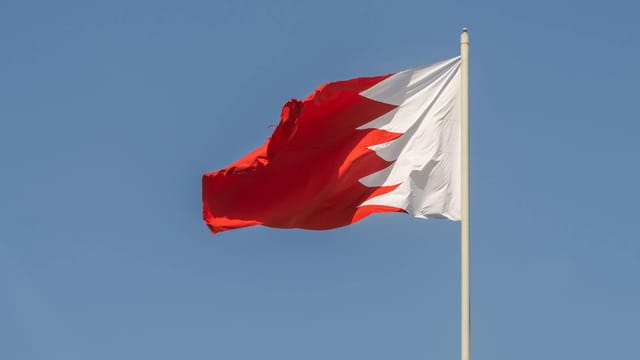
At SEF2026 in Sharjah, venture capitalists signalled that Gulf countries — buoyed by low energy costs, proactive regulation and growing AI education — are entering a new phase of technology investment. Saudi Arabia led the region in deal value in 2025 and has launched funds targeting early-stage biotech, reflecting its Vision 2030 diversification agenda.
Eight Mostly Muslim Foreign Ministers Condemn Israel, Warning Ceasefire at Risk
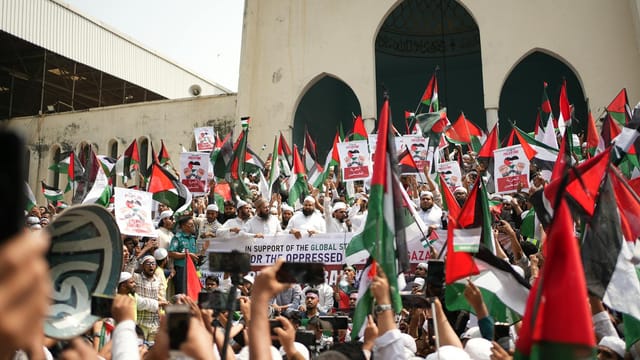
Eight foreign ministers — from Saudi Arabia, Jordan, the UAE, Qatar, Indonesia, Pakistan, Egypt and Turkey — issued a joint denunciation of Israeli violations of a Gaza ceasefire, blaming the incidents for over 1,000 Palestinian casualties. The uncommon cross-regional statement warns that continued breaches could derail the ceasefire's second phase, undermine reconstruction and escalate regional tensions, while renewing calls for Palestinian self-determination and a political solution.