
# Shenzhen
Latest news and articles about Shenzhen
Total: 58 articles found

The Red Light for the Gig Economy: Shenzhen Signals a Saturated Ride-Hailing Market
Shenzhen transport authorities have declared the local ride-hailing market saturated, with vehicles averaging only 13 orders per day. The government issued a comprehensive warning against predatory leasing schemes, deceptive income promises, and the financial risks of unlicensed operations.

End of the Road? Shenzhen Declares Ride-Hailing Market 'Fully Saturated' Amid Driver Surge
Shenzhen authorities have officially declared the city's ride-hailing market saturated, reporting that average daily orders per car have fallen to just 13. The government is warning prospective drivers and companies to exercise extreme caution, reflecting a broader crisis of oversupply in China’s gig economy.

Silicon Valley on Wheels: Domestic Tech Giants Seize Control at the 2026 GBA Auto Show
The 2026 GBA Auto Show in Shenzhen showcases the total dominance of Chinese tech giants like Huawei and BYD, signaling a shift toward vertical integration and advanced autonomous technology. With regional EV penetration hitting record highs, the Greater Bay Area has solidified its position as the world's premier ecosystem for the next generation of smart mobility.
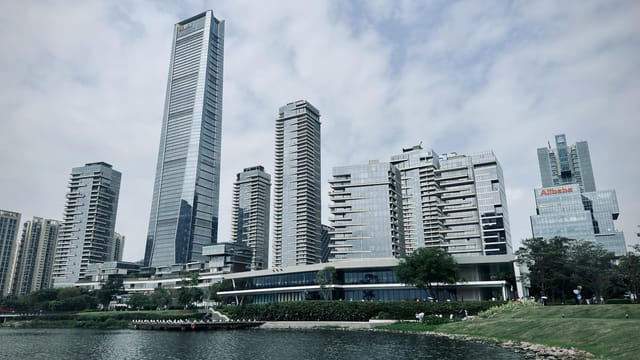
Tencent’s New ‘Penguin Island’: Building a Corporate Utopian Stronghold in Shenzhen
Tencent is finalizing its 'Net City' headquarters in Shenzhen, offering subsidized employee housing to eliminate commutes and boost productivity. The move highlights a shift toward corporate paternalism as tech giants compete for talent in a tightening economic environment.
Strategic Sovereignty: Shenzhen Leads China’s Push for 6G, AI, and Commercial Space Dominance
China is accelerating its high-tech roadmap as Shenzhen unveils its 15th Five-Year Plan, prioritizing commercial space, 6G standards, and a globally exported AI ecosystem. Key developments include the completion of reusable rocket infrastructure and leadership in international satellite communications protocols.

Fueling the AI Engine: Lingyi iTech’s Salcomp Unveils Next-Generation Power Infrastructure
Lingyi iTech's subsidiary Salcomp has launched a comprehensive range of AI server power solutions at a major industry summit in Shenzhen. This move signifies the company's strategic pivot from consumer electronics toward the high-growth, high-margin AI infrastructure market.

The 190-Million Yuan Split: Sunlord Electronics President Hands 98% of Stake to Ex-Wife
Sunlord Electronics President Shi Hongyang has transferred 98% of his company shares, valued at 190 million RMB, to his ex-wife in a divorce settlement. The massive asset split occurs as the company faces a 24% drop in quarterly profits and an ongoing patent war with Japan's Murata Manufacturing.

The Tariff Trap: Why Trump’s Manufacturing Crusade Failed to Dent China’s Innovation Edge
Despite aggressive 'Liberation Day' tariffs aimed at reshoring manufacturing, US industrial output has hit an 80-year low as a percentage of GDP, while China's Greater Bay Area has successfully transitioned from a low-cost factory to a high-speed innovation hub. The failure of tariffs to bring jobs back to the US highlights structural deficiencies in American infrastructure and labor, forcing a return to the negotiating table.
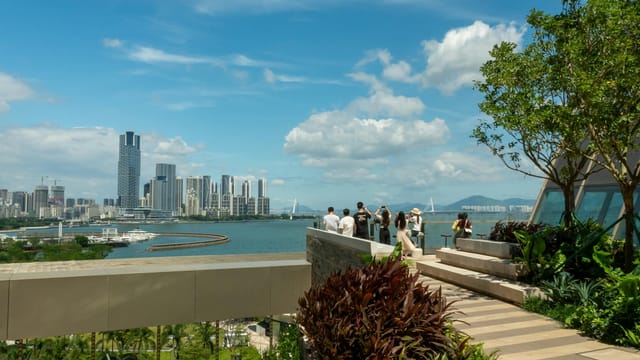
Digital Giants and Nuclear Baseloader: Guangdong’s Strategic Pivot in the Greater Bay Area
Guangdong province is strengthening its economic dominance through strategic tech investments like Google’s new Guangzhou office, massive infrastructure projects in Qianhai, and a nationwide lead in nuclear energy production. First-quarter GDP data confirms the region remains China's primary growth engine, with four major cities ranking in the national top 30.
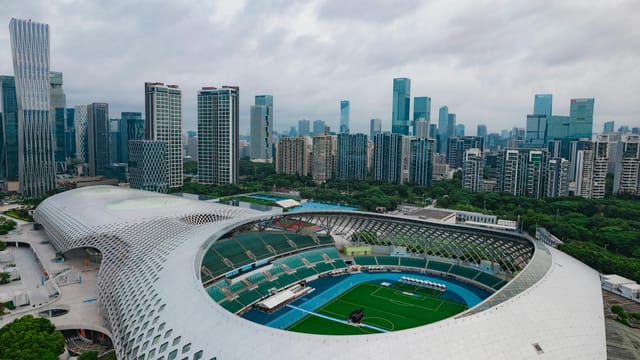
The Sleeping Giants Awaken: Easing Measures Reinvigorate Property Markets in Shenzhen and Guangzhou
Recent policy relaxations in Shenzhen and Guangzhou have triggered a significant rebound in property transactions during the May Day holiday, marked by a 60% surge in Shenzhen and a return of out-of-town investors seeking safe-haven assets.
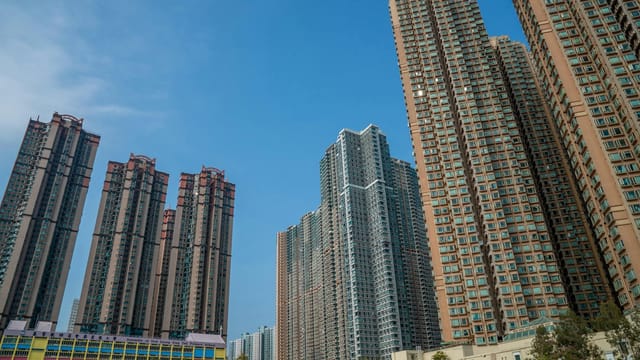
A Policy-Driven Thaw: China’s Property Market Gains Momentum During Labor Day Holiday
China's housing market saw a significant rebound during the May Day holiday, with second-hand home sales in Tier-1 cities rising 40% following aggressive policy easing. While core urban areas in Shenzhen and Wuhan reported doubling sales volumes, the recovery remains uneven, favoring top-tier cities over smaller municipalities.
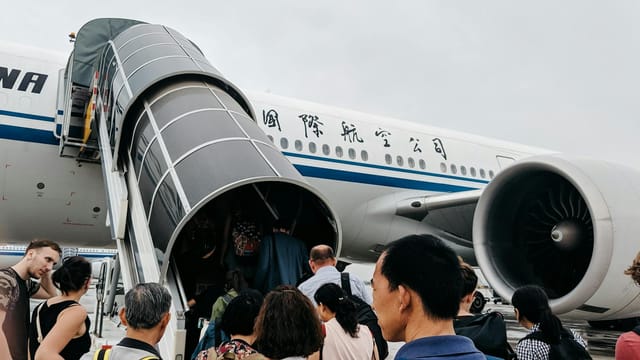
The Great Sorting: How Demographic Gravity is Reshaping China’s Power Centers
Recent demographic data from China shows a significant decline in young residents in major cities like Beijing and labor-exporting provinces like Henan, while Guangdong and Zhejiang remain primary magnets for migrants. Major tier-one cities are increasingly using Hukou reform as a strategic tool to attract top-tier talent while managing the costs of public service provision.