
# Sino-Japanese%20Relations
Latest news and articles about Sino-Japanese%20Relations
Total: 38 articles found
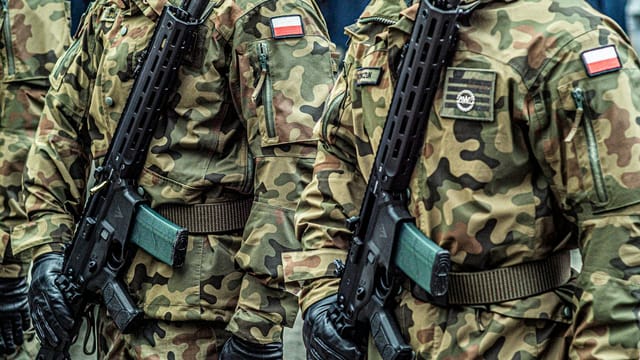
Tokyo’s Final Frontier: Japan’s Space Ambitions Spark Regional Security Debate
Japan's ruling LDP has proposed a significant expansion of the Self-Defense Forces' space capabilities, including increased personnel and new surveillance satellites. While Tokyo frames this as a necessary defensive evolution, Beijing warns it signals a dangerous militarization of space that threatens regional stability.

Crossing the Rubicon: Japan’s Pivot from Pacifism to Proactive Deterrence
Japan is abandoning its traditional pacifist constraints by exporting lethal warships to Australia and drafting evacuation plans for a Taiwan conflict. These strategic shifts signal Tokyo's deeper integration into a U.S.-led regional security network aimed at deterring Chinese expansion.
Tokyo’s Long Shadow: Why the Legacy of 1946 Remains the Front Line of East Asian Diplomacy
As the 80th anniversary of the Tokyo Trial nears, Chinese scholars argue that defending the tribunal's legacy is essential to maintaining the post-war international order. The trial's findings are viewed as a critical legal tool to counter modern Japanese revisionism and potential remilitarization.
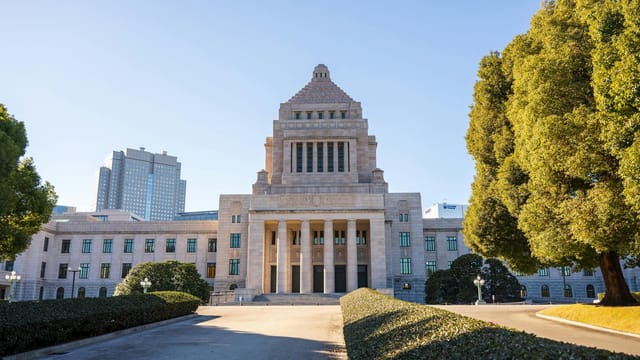
Beijing Invokes the Ghost of Tokyo Trials to Warn Against Rising Revisionism
On the 80th anniversary of the Tokyo Trials, Chinese state media has issued a stern warning against historical revisionism regarding Japan's wartime conduct. The rhetoric reinforces Beijing's role as a primary defender of the post-WWII international order and uses historical memory as a diplomatic tool to challenge modern Japanese security policies.
The Unfinished Trial: China’s Warning Over the Resurgence of Japanese Revisionism
As the 80th anniversary of the Tokyo Trials approaches, Chinese state media is intensifying its critique of Japanese historical revisionism. The analysis suggests that incomplete post-war justice and modern military shifts in Japan are eroding the foundations of the post-WWII international order.
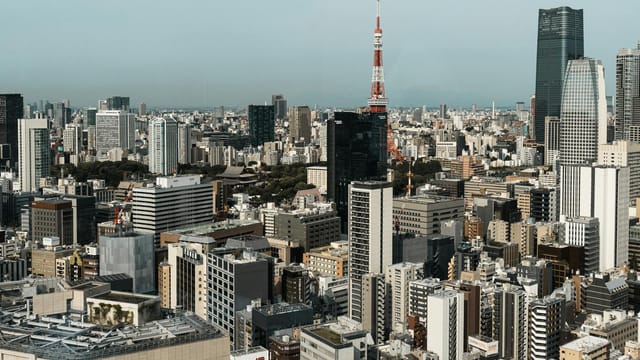
Echoes of Ichigaya: Why the Tokyo Trials Still Shape Asia's Moral Compass
As the 80th anniversary of the Tokyo Trials approaches, the Ichigaya Memorial Hall remains a focal point for the complex interplay between historical memory and modern geopolitics. The site underscores the ongoing struggle between international legal precedents and nationalist revisionism in East Asia.
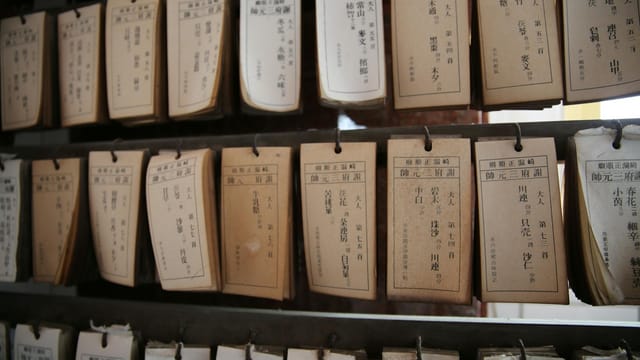
Archives of Atrocity: French Diplomatic Records Cast New Light on the Nanjing Massacre
French researcher Christian Blaise has donated nearly 2,000 pages of scanned diplomatic archives to the Nanjing Massacre Memorial Hall. These multilingual documents from 1920–1943 provide crucial third-party evidence of Japanese wartime atrocities and international diplomatic responses during the occupation of China.

Witness to Justice: The Long Journey of a Prosecutor’s Diary to Nanjing
A collection of 18 archives and diaries from American Tokyo Trial prosecutor David Nelson Sutton has been donated to the Nanjing Massacre Memorial Hall. These documents provide critical primary-source evidence of war crimes investigations and reinforce the legal legitimacy of the post-WWII international order in Asia.
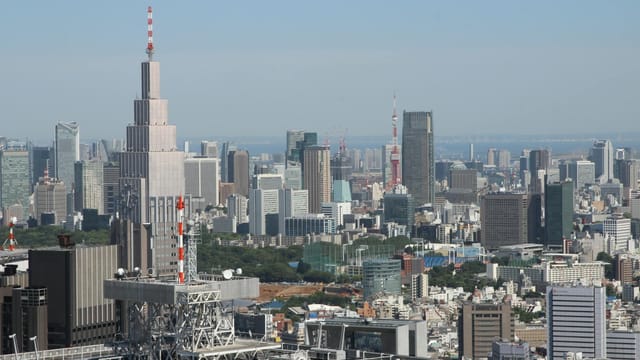
The Unfinished Judgment: Why the Tokyo Trials Still Shadow East Asia 80 Years Later
Marking the 80th anniversary of the Tokyo Trials, this analysis explores the legal legacy and the enduring political tensions caused by the perceived 'unfinished' nature of the proceedings. It highlights how Cold War compromises and modern revisionism continue to complicate Sino-Japanese relations and the post-WWII order.

Echoes of Tokyo: Why China’s Legal Battle Against Japanese Militarism Still Resonates
As China marks the 80th anniversary of the Tokyo Trials, the defiant stance of its early prosecutors against Japanese war criminals remains a vital component of its national narrative and foreign policy. These historical legal battles continue to define Beijing's expectations for regional security and its insistence on a specific interpretation of the post-WWII order.
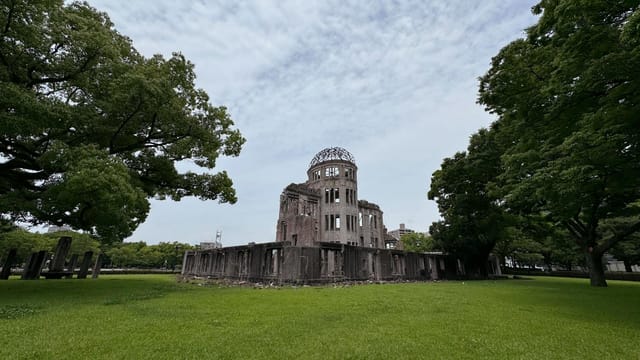
Justice as a Foundation: The Enduring Legacy of the Tokyo Trials in Modern China
China commemorates the 80th anniversary of the opening of the Tokyo Trials, highlighting its historical role in establishing international justice and the post-war order. The event serves as a platform to reinforce national identity and address contemporary regional tensions through the lens of historical memory.

Justice Reclaimed: The Enduring Legacy of China’s Rebuttal at the Tokyo Trials
Chinese media is commemorating the 80th anniversary of the Tokyo Trials, focusing on the legal triumph of Chinese prosecutors against Japanese revisionism. The narrative reinforces China's role as a primary victor of WWII and a defender of international justice.