
# Starlink
Latest news and articles about Starlink
Total: 62 articles found

SpaceX to Absorb xAI — Musk Bets on Marrying Artificial Intelligence with Orbital Infrastructure
SpaceX has announced the acquisition of Elon Musk’s AI company xAI, signaling an intention to integrate advanced AI capabilities with the Starlink satellite network. The deal could reshape competition between cloud and AI incumbents while raising regulatory and security questions about data, export controls and dual-use applications.
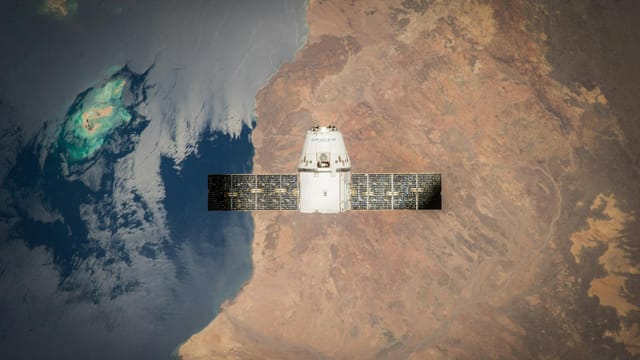
SpaceX's Ambition for a Million Satellites Raises Stakes in the Race to Control Low Earth Orbit
SpaceX's proposal to deploy up to one million satellites would dramatically increase low Earth orbit congestion and shift the balance of technological and geopolitical power in space. The plan promises expanded connectivity and orbital computing but also raises acute risks around debris, spectrum management and strategic dependence.
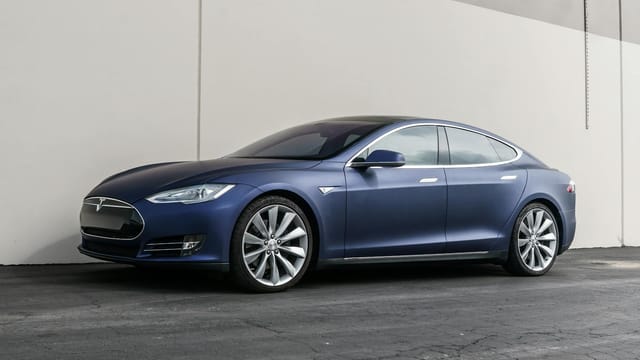
Musk's Next Move: Fusing SpaceX, Tesla and xAI into a 'Space‑Compute' Empire
Reports that Elon Musk is exploring tighter integration between SpaceX, Tesla and xAI reflect a strategic push to build a ‘space‑compute’ ecosystem combining satellite connectivity, vehicle and robot endpoints, and large AI models. While the business case is clear, major legal, technical and geopolitical hurdles make a full corporate merger unlikely in the near term; closer operational collaboration is the more probable path.

SpaceX Proposes a Million‑Satellite 'Orbital Data Center' to Power AI — but Approval, Cost and Safety Are Up in the Air
SpaceX has applied to the FCC for permission to deploy and operate up to one million satellites as an "Orbital Data Center" designed to host AI compute in space, linking to Starlink via optical intersatellite links and relying on Starship launches. The plan raises immediate questions about regulatory approval, collision risk, financing, and geopolitical and commercial consequences for cloud and satellite sectors.

Musk Bets on Orbit: Pushing AI Compute from Data Centres to Satellites
Elon Musk is accelerating plans to relocate some large‑scale AI computing into orbit, arguing that intelligence density has been greatly underestimated. The idea could become economically viable within a few years as launch costs fall, but it faces serious technical, regulatory and geopolitical hurdles.

Musk’s Orbital Gambit: Merging SpaceX and xAI to Build a $1.5 Trillion AI-in-Space Empire
Elon Musk is reportedly preparing to merge xAI into SpaceX and pursue a blockbuster IPO that would combine rockets, the Starlink network, X and the Grok AI model. The strategy aims to move compute into orbit to bypass terrestrial energy and cooling limits, but it raises major technical, regulatory and national-security questions.

Germany Eyes a ‘Military Starlink’: Rheinmetall and OHB Move to Capture €35bn Defence‑Space Jackpot
Rheinmetall and OHB are negotiating to bid for a German military LEO satellite communications programme that could tap into roughly €35 billion of planned defence‑space spending. The project aims to create a domestically built, Starlink‑style network to improve resilience and reduce reliance on foreign commercial providers, but it faces strong competition and significant technical and industrial challenges.
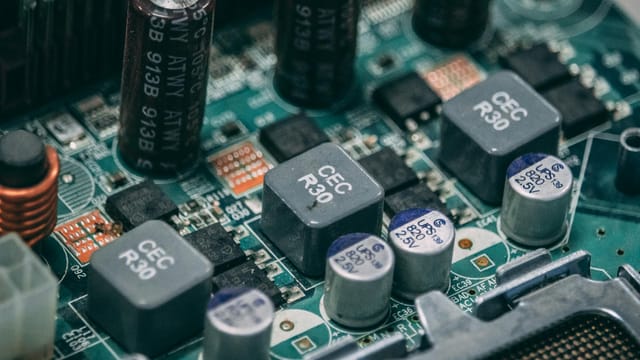
LEO Satellite Boom Sparks High‑End PCB Arms Race in China
China's PCB industry is racing to capture a rising share of the booming low‑Earth‑orbit satellite market by investing in high‑frequency, high‑reliability boards and scaling production. Domestic firms have manufacturing scale and supply‑chain advantages, but still face certification and materials hurdles before they can fully capitalise on mass deployments.

Chinese Portable Battery Maker Says Its Units Powered Multiple Domestic Rocket Launches — A Sign of Maturing Support Industry
Huabao Xinneng says its Dian Xiao Er portable power units have supplied off‑grid electricity for multiple Chinese rocket launches and related operations and are compatible with Starlink‑type satellite terminals. The announcement underlines the growing importance of specialised ground‑support equipment as China’s commercial space activity expands, though the claim is promotional and not independently verified.

China’s 200,000‑Satellite Gambit: Racing to Lock the Orbits
China’s late‑2025 ITU filing for approximately 203,000 low‑ and medium‑orbit satellites has jolted the global space sector, prompting rapid reactions from incumbents and regulators. The move underscores a strategic race for finite orbital slots and spectrum that will shape 6G, national security and the economics of space for decades.

Musk’s Nine‑Month Chip Gamble: Tesla’s Bid to Outiterate Nvidia — and Take AI to Space
Elon Musk has unveiled an aggressive multi‑year AI chip roadmap that pledges a new Tesla chip generation every nine months, from AI5 for cars to an eventual space‑deployed AI7. The plan leverages Tesla’s vertical integration and fleet data but faces steep fabrication, validation and regulatory hurdles that make timely delivery uncertain.

Musk and Ryanair’s O'Leary Trade Insults Over Starlink Fit — A Fight That Reveals Bigger Stakes in In‑Flight Connectivity
A public row between Elon Musk and Ryanair CEO Michael O'Leary over installing Starlink terminals highlights a deeper commercial debate about the fuel, certification and cost implications of outfitting aircraft with LEO satellite antennas. The argument exposes the bargaining tensions between a tech provider eager to scale aviation customers and a cost‑focused low‑cost carrier wary of any operational penalties.