
# U.S.-Iran%20Conflict
Latest news and articles about U.S.-Iran%20Conflict
Total: 22 articles found

The Hormuz Chokepoint: Why the U.S.-Iran Conflict is Hitting Home in the American Heartland
Escalating military conflict between the U.S., Israel, and Iran is causing significant global economic disruption, particularly through the destabilization of the Strait of Hormuz. These tensions have led to rising energy costs in the United States, illustrating the limits of energy independence and the direct economic consequences of Middle Eastern military intervention.
The Cost of Conflict: How Middle East Turmoil is Stalling Japan’s Indo-Pacific Deterrence
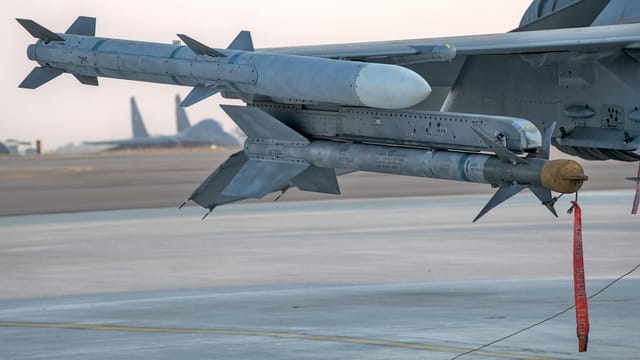
Escalating military operations against Iran have depleted U.S. missile inventories, forcing a delay in the delivery of 400 Tomahawk missiles to Japan. This logistical bottleneck threatens Tokyo's timeline for establishing a counterstrike capability and highlights the strain on the U.S. defense industrial base.

Gulf on the Brink: Iran Fortifies its Energy Heart as US Amphibious Threat Looms
Iran is heavily fortifying Kharg Island, its primary oil export hub, with mines and missiles to counter a potential U.S. amphibious invasion. The escalation follows U.S. airstrikes and the deployment of 2,000 American troops to the region amid a standoff over the Strait of Hormuz.

Washington’s Suez Moment? How the Strikes on Iran are Fracturing the Middle East Order
The U.S.-Israeli military campaign against Iran has triggered a fundamental realignment in the Middle East, eroding American credibility and forcing Gulf states to seek strategic autonomy. As military force replaces diplomacy, observers suggest this conflict may mark the definitive end of U.S. regional hegemony, akin to Britain's Suez Crisis.

Brinkmanship in the Strait: Washington's Dual-Track Gamble as Iran Conflict Escalates
Nearly a month after joint U.S.-Israeli strikes on Iran, Washington is balancing ceasefire negotiations with a massive influx of paratroopers and amphibious forces. This strategic ambiguity suggests either a high-stakes effort to gain leverage in peace talks or preparations for a major ground operation to seize the Strait of Hormuz.

Empty Silos: The Hidden Logistics Crisis Behind America’s Missile War with Iran
The U.S. military has fired over 850 Tomahawk missiles in its month-long conflict with Iran, raising alarms within the Pentagon about the depletion of critical stockpiles. With high unit costs and a two-year production lead time, the current burn rate threatens long-term American military readiness and deterrence capabilities.

Fractured Fronts: The High Cost of the Iran Conflict for a Weakening Washington
The conflict with Iran has severely depleted the Trump administration's political capital, leading to internal GOP fractures and a breakdown in allied cooperation. The resulting economic strain and strategic isolation suggest a permanent shift toward a more aggressive, protectionist U.S. foreign policy.
Unilateral Echoes: The Transatlantic Rift Deepens Over US-Iran Escalation
France and Germany have publicly criticized the United States for unilateral military actions against Iran, citing a lack of consultation and severe economic damage to Europe. As the U.S. continues to deploy troops to the Middle East, the transatlantic alliance faces a crisis of trust over diverging security priorities and the threat of global energy shortages.
The Persian Trap: Assessing the Risks of a U.S. Ground Offensive in Iran
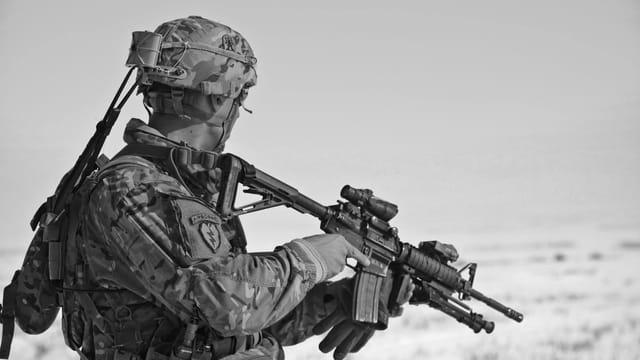
As the U.S. deploys elite Marine and Airborne units to the Middle East, military experts warn that any ground operation in Iran could lead to a devastating, prolonged conflict. The challenges of seizing nuclear materials and securing oil hubs are compounded by Iran's 'mosaic defense' strategy, which is designed to draw the U.S. into a costly war of attrition.

The Hormuz Chokepoint: Assessing Washington’s High-Stakes Gambit to Reopen the Strait
As the US-Iran conflict enters its third week, the blockage of the Strait of Hormuz has triggered a global energy crisis. The Pentagon is weighing five high-risk military options to reopen the waterway, ranging from bunker-busting air strikes to a full-scale amphibious invasion of Kharg Island.