
# US%20Foreign%20Policy
Latest news and articles about US%20Foreign%20Policy
Total: 65 articles found
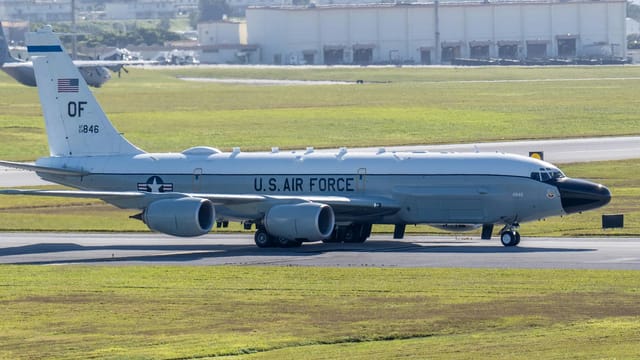
Re-shaping the Shield: Washington Weighs Nuclear Expansion Across NATO’s Eastern Flank
The United States is evaluating the expansion of its nuclear sharing program to more European NATO members, particularly along the Eastern Flank, to address security anxieties and reinforce its commitment to the continent. This move aims to balance demands for increased European defense spending with the continued provision of a robust nuclear deterrent.
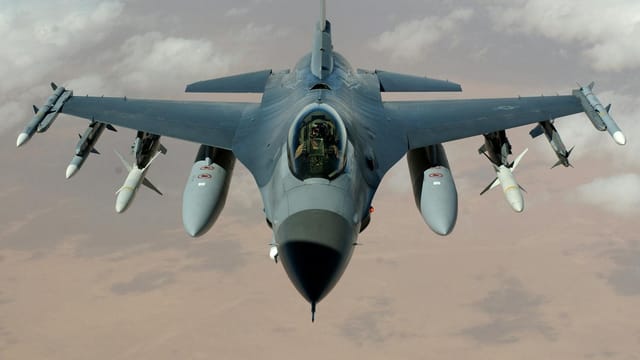
Resilient Underground: Why Iran’s Missile Network Proves Impervious to US Precision Strikes
Satellite imagery reveals that Iran has restored most of its underground missile bases despite recent strikes, clearing 50 of 69 damaged tunnel entrances. The rapid recovery of these facilities and the restart of drone production underscore the limitations of Western air power against deeply buried infrastructure. This resilience highlights a strategic failure to permanently neutralize Tehran's missile capabilities through surgical strikes.

Brinkmanship and Bravado: Trump Revives the ‘War Department’ to Force Iran’s Hand
Donald Trump has warned Iran that a failure to reach a comprehensive deal will result in military intervention via the 'War Department.' While claiming a breakthrough is near, he emphasized a willingness to walk away to ensure better terms on nuclear proliferation and maritime security.

Rubio’s Regional Gambit: A New Architecture for the Iran Nuclear Dilemma
Secretary of State Marco Rubio has announced that a draft US-Iran agreement now enjoys support from up to eight regional nations. While President Trump describes negotiations as constructive, the administration is emphasizing a deliberate, technical approach over a rushed diplomatic resolution.
The Outsider: Israel’s Marginalization in the New US-Iran Order
As the United States enters the final stages of a peace settlement with Iran, Israel finds itself increasingly marginalized and excluded from the diplomatic core. Despite initial military collaboration, the Trump administration has shifted toward a pragmatic resolution to stabilize global oil prices, leaving Prime Minister Netanyahu’s primary security objectives unfulfilled.
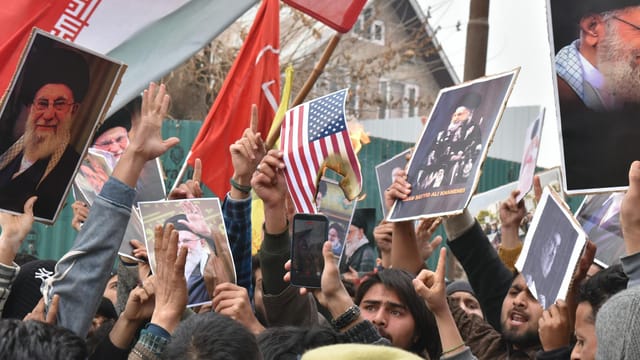
Trump Weighs ‘Decisive’ Military Blow as Iran Diplomacy Reaches a Breaking Point
President Trump is considering a massive, final military strike against Iran as diplomatic efforts falter. Despite requests from Gulf allies for a brief delay to allow for mediation, the administration is signaling that a 'decisive' military conclusion may be imminent if negotiations do not yield immediate results.

Arctic Friction: US Opens Nuuk Consulate Amid Boycotts and Lingering Fears of Annexation
The United States opened a new consulate in Greenland's capital, Nuuk, but the event was boycotted by all local and Danish officials. Despite US assurances that military force has been ruled out for any territorial acquisition, the move has sparked protests and highlighted deep-seated tensions over Arctic sovereignty.
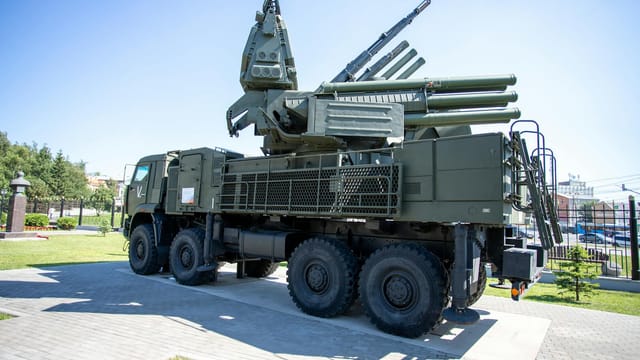
The Tethered Sword: Why Ukraine’s Precision Arsenal Remains at the Mercy of Western Logistics
Military analyst Wang Mingzhi highlights that Ukraine’s precision-guided strike capabilities are severely limited by a heavy reliance on US and French supplies. These constraints manifest as both a lack of sufficient quantity to achieve strategic shifts and political restrictions on how the weapons are deployed.

The Ahmadinejad Gambit: Western Strategy or Psychological Maneuver in the Iranian Power Struggle?
Recent reports suggesting a potential US-Israeli partnership with former Iranian President Mahmoud Ahmadinejad likely represent a psychological operation intended to sow discord in Tehran. While Ahmadinejad’s rift with the Supreme Leader is real, his core ideology makes a Western alliance improbable, highlighting a new phase of information warfare in the region.

Washington’s Fragile Diplomacy: Israel and Lebanon Set for Third Round of Talks Amid Ceasefire Strains
Israel and Lebanon are scheduled to hold a third round of U.S.-brokered talks in Washington on May 14-15. Despite a ceasefire extension, ongoing military friction and Lebanese demands for a formal security protocol continue to hinder the prospect of a high-level summit between the two nations.

Standoff at the Strait: Iran Rejects US-Bahrain UN Resolution as Tensions Flare in the Persian Gulf
Iran has rejected a US-Bahrain-led UN resolution regarding the Strait of Hormuz, calling it a politically motivated move to legitimize US military actions. Tehran insists that ending regional hostilities and lifting blockades are the only ways to restore maritime stability, while Washington threatens further sanctions.

Standoff at the Strait: Iran Slams US-Bahrain UN Resolution as Geopolitical Posturing
Iran has officially rejected a UN Security Council resolution drafted by the US and Bahrain aimed at securing the Strait of Hormuz, calling it a politically motivated maneuver. Tehran argues the resolution ignores the root causes of regional conflict and serves only to legitimize US military presence in the Middle East.