
# dollar
Latest news and articles about dollar
Total: 17 articles found
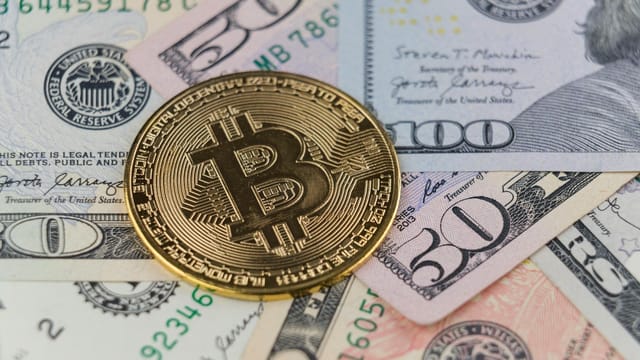
US Producer Prices Edge Higher in February, Complicating the Fed’s Path to Easier Policy
US producer prices in February exceeded expectations: core PPI rose 3.9% year‑on‑year and 0.5% month‑on‑month, while headline PPI climbed 0.7% month‑on‑month (3.4% YoY). The surprise increases the risk that inflation remains persistent, complicating Federal Reserve plans to cut rates and posing wider financial and global economic implications.

Gold’s Safe‑Haven Luster Fades as Iran Conflict Boosts Oil but Favors the Dollar
Spot gold briefly fell below $5,000 per ounce amid renewed U.S.–Iran tensions, rising oil prices and a stronger dollar. Markets are pricing in a higher‑for‑longer Fed, which has pushed yields up and constrained gold’s safe‑haven appeal despite geopolitical risk.
Oil Shock and Fed Uncertainty Send Gold Tumbling $100 — Why Safe‑haven Flows Have Flipped
Gold plunged about $100 intraday on March 9 as oil prices spiked amid renewed Middle East violence, prompting a dollar rally and higher real yields that raised the opportunity cost of holding bullion. Traders increased put hedges even as futures net‑longs recovered, signaling protective positioning rather than a collapse of gold’s long‑term case.
Gold Isn’t Always a Safe Haven: US–Iran Escalation Triggers Wild Swings and Tests the Bull Case
Gold posted wild intra‑week swings after a US–Iran escalation in late February and early March, briefly spiking above $5,400/oz before plunging below $5,000/oz. Short‑term reversals were driven by a stronger dollar, rising US yields and deleveraging in paper markets, even as long‑term drivers such as central‑bank buying and de‑dollarisation remain intact.
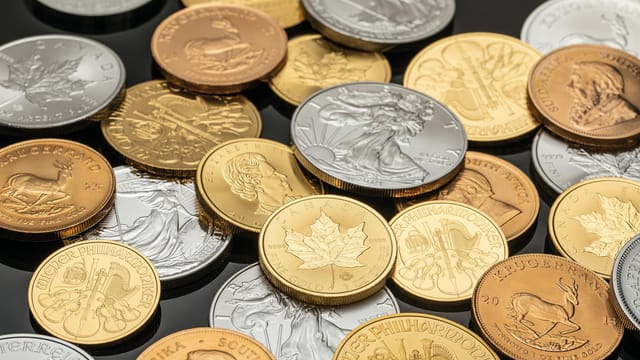
Precious Metals Slide: Spot Gold Drops Below $5,000 as Silver Falls Over 2%
Spot gold fell below $5,000 per ounce and silver dropped over 2% as a firmer dollar, rising real yields and softer post-holiday physical demand in Asia weighed on prices. The move underscores how macroeconomic data and monetary policy expectations, rather than safe-haven flows alone, are dominating precious-metals markets.
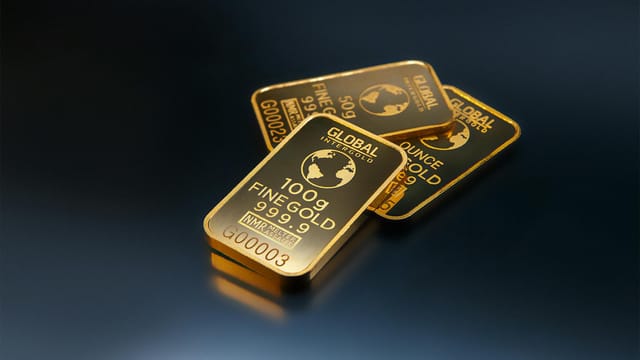
Gold’s Decade of Reinvention: From Safe Haven to Strategic Reserve
Over the last decade gold has transformed from a peripheral hedge into a central asset, rising more than 300% from under $1,100 to peaks above $5,000 per ounce by early 2026. The shift is driven by sustained central-bank buying, weakening dollar share of reserves, low real interest rates and heightened geopolitical risk, but the market now displays greater volatility and complex implications for investors and policymakers.

Gold and Silver Bounce After Historic Flash Crash — Volatility, Deleveraging and a Strong Dollar Still Loom
Gold and silver rebounded in early February after unprecedented intraday plunges at the end of January and renewed selling on Feb. 2. The shocks were driven by a rapid deleveraging of positions and a renewed expectation of a stronger US dollar following Kevin Warsh’s nomination for Fed chair, while Chinese state banks raised margins and issued risk warnings to curb retail exposure.
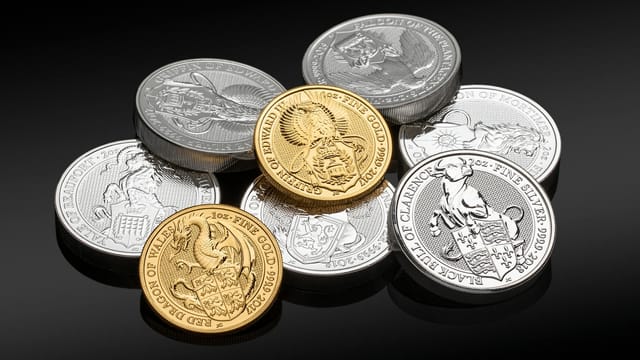
Gold’s Retail Frenzy Pauses as Prices Plunge and Bank Inventories Reappear
A rapid reversal in precious-metals markets has cooled the retail scramble for physical gold in China, with major banks reporting renewed inventory after weeks of sell-outs. The correction was triggered by a drop in fears over Fed independence following a high-profile nomination, prompting a dollar rebound and sending volatile price signals through both futures and retail channels.
Gold’s Panic Plunge: A 20% Correction, Structural Bull Market Intact — But Don’t Rush to Bottom‑Fish
A panic sell‑off pushed spot gold down roughly 10% intraday to about $4,400/oz, marking a more than 20% decline from recent highs after markets repriced US monetary policy following the nomination of former Fed governor Warsh. While short‑term volatility and technical damage argue against immediate bottom‑fishing, long‑term structural drivers such as central‑bank buying, physical demand and questions about dollar dominance keep a multi‑year bullish case alive.

Gold’s Rollercoaster: Record Peak, Lightning Sell-Off and What Comes Next
Gold rallied to an extraordinary intraday peak in late January before a flash crash erased roughly 6% and knocked several silver and gold ETFs lower. The drop reflected technical profit-taking and forced liquidations amid a crowded, leveraged market, but structural supports — weak dollars, central-bank buying and geopolitical risk — remain intact.

Flash Crash in Precious Metals: Gold Suffers 40-Year Intraday Drop as Silver Plunges 36%
A dramatic overnight sell-off saw spot silver plunge as much as 36% and spot gold fall over 12% intraday, with both metals closing substantially lower. The rout followed a rebound in the dollar after news that President Trump would nominate Kevin Warsh as the next Fed chair, and was amplified by crowded positioning and thin liquidity. The move raises questions about market positioning, Fed independence and the durability of metals as an inflation hedge.

Gold’s Rally Rewrites the Script: Why $5,500 Is Just the Beginning
Spot gold surged past $5,500 an ounce after the Fed held rates, as markets priced a dovish pivot, central-bank buying persisted and political risks to Fed independence rose. Technical forces and ETF flows amplified the move, leaving bullion supported but likely to remain volatile through 2026.