
# energy%20security
Latest news and articles about energy%20security
Total: 63 articles found

Iran’s Revolutionary Guards Reject U.S. Timetable: “The End of War Will Be Decided by Iran”
Iran’s Revolutionary Guard publicly rejected President Trump’s forecast that hostilities with Iran would end soon, saying Tehran alone would decide when the fighting stops and warning it would bar adversaries from exporting oil if attacked. Iranian officials also accused the U.S. of planning strikes on energy and nuclear sites and promised “surprises,” heightening risks to global oil markets and regional stability.
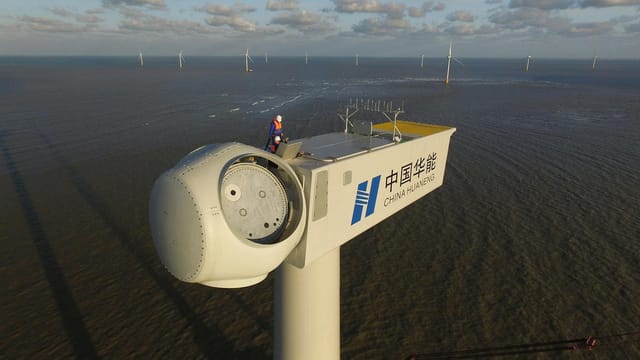
Europe’s Offshore Wind Shortfall Turns Chinese Suppliers into the Continent’s Emergency Backstop
Geopolitical tensions in early 2026 have turned Europe’s offshore wind plans into an urgent energy-security imperative, prompting utilities to prioritise delivery certainty over price. Chinese wind-equipment makers—leveraging low-cost steel, proprietary transport fleets and near-term European assembly bases—have rapidly captured large contracts, but face shipping costs, margin pressure and potential EU protectionist responses.
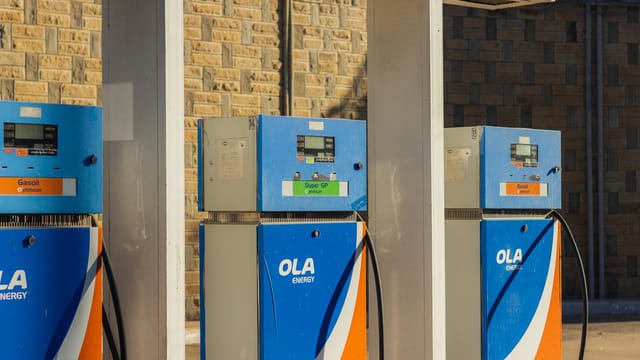
Spike in Crude Forces Fourth Fuel Hike of 2026 as Chinese Drivers Queue and Costs Climb
China implemented its fourth retail fuel price increase of 2026 after international crude surged above $100 a barrel amid Middle East escalations. The rise has prompted queues at service stations and will raise costs for motorists and logistics firms, while analysts warn of further domestic increases if geopolitical tensions push oil higher.
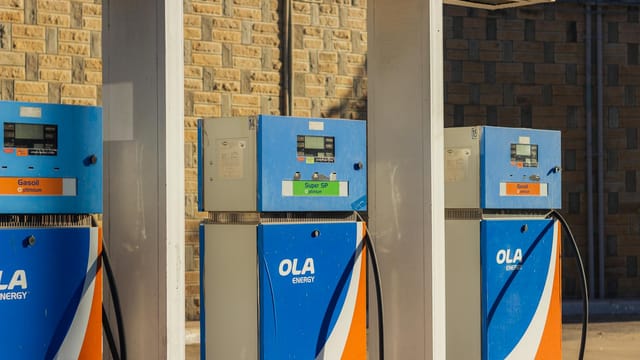
Beijing Signals It Will Shield Itself from Oil Shock as G7 Considers Reserve Release
China told reporters it will take necessary measures to protect its energy security amid a spike in oil prices, while deferring questions about participation in a G7/IEA-coordinated release of reserves to domestic agencies. Beijing’s stance highlights the limits of Western-led market interventions: China’s independent actions will be decisive for global supply and prices.

An Escalation Over Iran: Claims of Widespread Strikes, Civilian Infrastructure Hit, and a Brewing Energy Shock
A Chinese report on March 9 alleges a sudden, large-scale Israeli-led air campaign against Iran focused on energy and civilian infrastructure, causing significant civilian casualties and threatening global energy flows. If accurate, strikes on refineries, desalination plants and the possibility of Iran contesting the Strait of Hormuz would mark a major escalation with wide geopolitical and humanitarian consequences.

China Urges Ceasefire as Saudi Foreign Minister Appeals for Beijing’s Mediation
China’s Middle East envoy met Saudi Foreign Minister Faisal in Riyadh as both sides voiced concern over a widening regional conflict. Saudi Arabia praised China’s role and urged Beijing to push for a ceasefire, while China reiterated calls for an immediate halt to hostilities and offered to play a constructive mediating role.

How China Turned a Global Gas‑Turbine Shortage into an Industrial Win
A surge in demand for reliable, fast‑ramping power driven by AI data centres has created a global shortage of heavy gas turbines. Chinese manufacturers, led by Dongfang Electric, have closed decades‑long technology gaps to produce and export F‑class machines, altering the competitive landscape and raising strategic and environmental questions for buyers and policymakers.
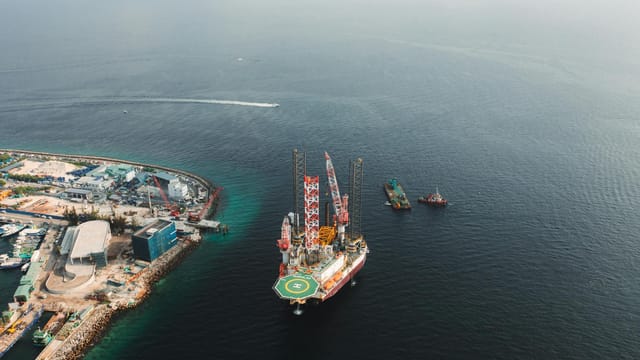
Ninth Day of US–Israel–Iran Clash: Tehran Reportedly Locks In Succession Candidate as Five Oil Storage Sites Hit
Chinese reporting says Iran’s ruling elite have chosen a successor to the current supreme leader while five domestic oil storage facilities were struck on the ninth day of the US–Israel–Iran confrontation. The coincidence of succession consolidation and attacks on energy infrastructure raises the risk of a harder-line Iranian posture and broader regional disruption.

Tokyo Between a Rock and a Strait: Hostages, Oil Dependence and the Perils of Escalation
Renewed Middle East tensions have placed Japan in a strategic bind: heavy dependence on Strait of Hormuz oil shipments, the detention of two Japanese nationals in Iran, and the prospect of deploying the Self-Defense Forces to escort shipping. Tokyo must balance alliance obligations to the United States with the imperative to protect energy supplies and citizens, all under legal and political constraints.

Hormuz's Pendulum: Iran's Targeted Escalation Sparks Oil Shock Fears
A week of shifting Iranian tactics in the Strait of Hormuz—from threats of full closure to targeted strikes on Western-linked vessels—has sent oil prices sharply higher and revived fears of a fourth global oil crisis. Tehran’s selective approach preserves leverage while limiting self-harm and avoids alienating Asian importers, but the risk of miscalculation and persistent market volatility remains high.

China’s Wang Yi Calls Middle East Fighting “A War That Should Not Have Happened” — A Signal of Beijing’s Push for Stability and Influence
At China’s Two Sessions, Wang Yi called the Middle East conflict “a war that should not have happened,” reframing the crisis as a humanitarian and political failure that demands de-escalation. The statement signals Beijing’s intent to project a stabilizing role in the region while safeguarding its energy, economic and diplomatic interests.

When a Drone Strike Took Down the Cloud: How a Middle East Attack Exposed AI’s Strategic Fragility
A drone strike on an AWS data centre in the UAE triggered a chain of outages that highlighted the strategic fragility of cloud-dependent AI. Cheap Gulf electricity has encouraged large AI data-centre investments, but attacks and geopolitical ties are forcing a re-evaluation of where and how critical compute is hosted.