
# new%20energy%20vehicles
Latest news and articles about new%20energy%20vehicles
Total: 24 articles found

China’s January Auto Scorecard: Xiaomi Tops the EV Upstarts as the Industry Shifts to a ‘Financial War’
January 2026 sales data show Xiaomi Auto leading China’s electric‑vehicle upstarts with over 39,000 deliveries while BYD retained dominance with roughly 210,000 NEV sales. Facing soft seasonality and fading tax incentives, automakers have shifted from price cuts to long‑tenor, low‑interest finance offers — a developing “financial war” that stimulates demand but raises credit and regulatory risks.
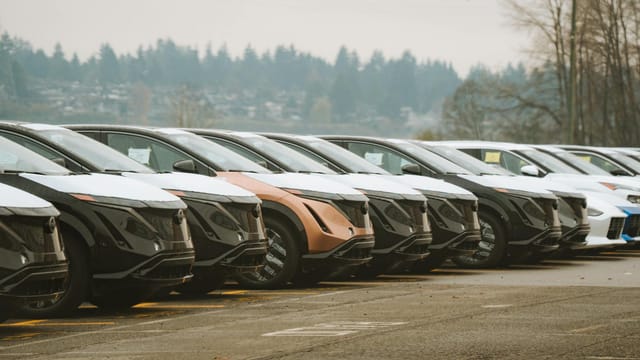
BYD’s Year of Dominance: How China’s EV Giant Sold 4.6 Million Cars and Deepened Its Global Reach
BYD sold over 4.6 million vehicles in 2025, securing both China’s top automaker and brand positions and a fourth straight global new‑energy vehicle sales crown. Strong domestic demand, rapid overseas growth (1.05 million units exported), and advances in driver‑assist data capabilities underpin the performance, but expansion raises operational and regulatory challenges abroad.
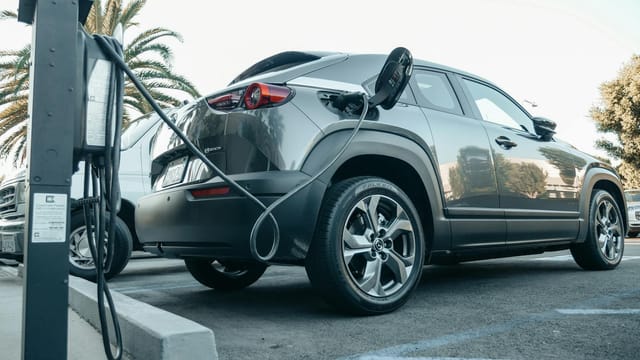
Leapmotor Posts Strong January Deliveries as China EV Market Gains Traction
Leapmotor reported January deliveries of 32,059 vehicles, up 27% year‑on‑year, indicating improved demand or production execution for the Chinese EV maker. While the number is significant for the company, it remains modest versus China’s market leaders; future growth will hinge on product cadence, margins and distribution strength.
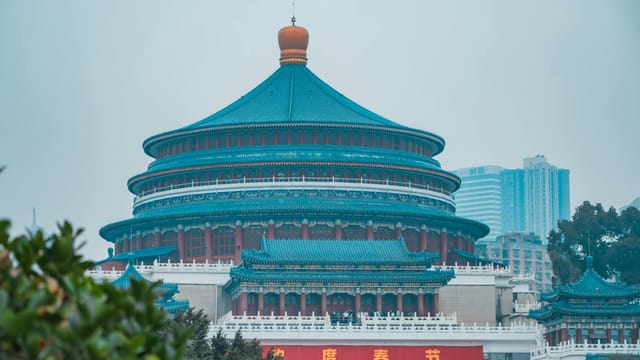
China’s Regional Shift: Tibet’s Surge and Chongqing’s Overtake Signal a New Economic Map
Provincial GDP releases for 2025 reveal a subtle but meaningful reshaping of China’s economic map: Tibet led growth on the back of large infrastructure projects, Gansu expanded through resource-driven industry, and Chongqing overtook Liaoning in total GDP thanks to a booming new-energy vehicle cluster. The data underline a continuing shift of momentum from the north-east’s old industrial base to the south-west and interior, driven by state investment, resource cycles and industrial upgrading.
Price War Fades, Financing Mayhem Begins: How China’s Carmakers Are Competing with 7‑Year Loans
China’s auto makers have shifted from price cuts to long‑tenor, low‑interest financing as regulators clamp down on direct price wars and fiscal policy subsidises consumer loans. The tactic reduces monthly payments and attracts young buyers, but it also locks consumers into long contracts on rapidly depreciating electric vehicles and concentrates advantages with well‑capitalised firms.
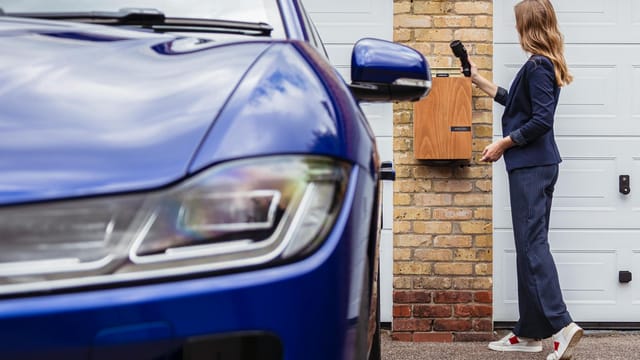
Chery Enters Electric Pickup Race with RELY R08 EV, Backed by an Energy-and-Services Alliance
Chery’s RELY brand launched its first pure‑electric pickup, the R08 EV, priced at RMB 127,800–158,800 and offered in two trims. The company also formed a “Qilin Power Ecological Alliance” to integrate energy supply, smart‑agriculture tools and engineering equipment, underscoring a shift toward vehicle‑plus‑services strategies in the electric pickup market.

Beijing Joins Shanghai as China’s Second City to Top Rmb5 Trillion — A New Service‑Led Model Emerges
Beijing’s 2025 GDP reached Rmb5.21 trillion (about USD740 billion), making it the second Chinese city after Shanghai to cross the Rmb5 trillion threshold. The milestone reflects a service‑and‑innovation‑led growth model achieved under a policy of “reduced‑scale development,” positioning Beijing as a global economic actor comparable to many medium‑sized countries while presenting new strategic tradeoffs in openness, livability and high‑level transformation.
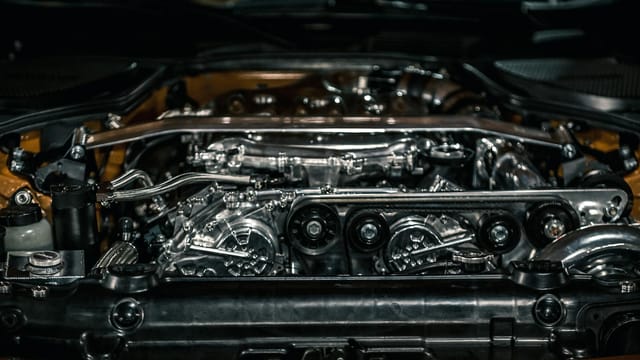
Zotye's Comeback Push: Mass Hiring Signals Ambition to Restart Car Production Amid Restructuring
Zotye Auto has launched a broad recruitment campaign for nearly 50 roles, a move tied to preparations to resume vehicle production after years of near‑hiatus following bankruptcy restructuring. Recent board changes and partial unwinding of frozen assets have improved the company’s funding outlook, but Zotye remains loss‑making and will need strategic capital and technological upgrades to mount a sustainable comeback.
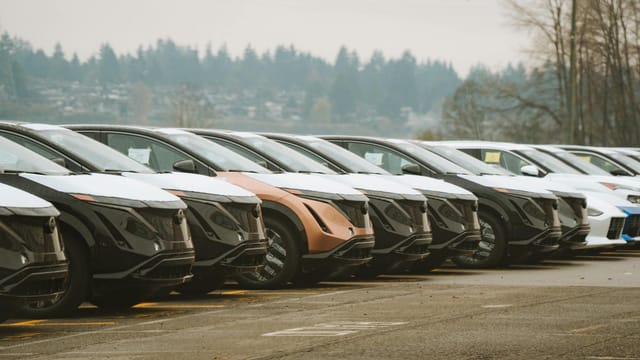
China’s January Car Retail Slumps Month-on-Month but EVs Now Nearly Half the Market
January retail sales of China’s narrow passenger-car market are estimated at about 1.8 million units, down 20.4% from December but roughly flat year-on-year. NEVs made up around 800,000 of those sales, reaching a 44.4% retail penetration and underscoring the swift structural shift toward electrified vehicles.

Beijing Doubles Down on 6G, Quantum and Heavy Industry to Rewire China’s Tech Future
China’s MIIT announced accelerated progress across 6G, quantum, AI and heavy manufacturing, reporting substantial gains in chip‑related output, robots and new energy vehicles. Officials emphasised China’s strong position in 5G patents and early 6G trials, and outlined policy measures to fast‑track commercialization and create future‑industry hubs.

Beijing Offers Interest Subsidies to Spur SME Investment in Strategic Supply Chains
China’s Ministry of Finance will subsidise 1.5 percentage points of interest on qualifying fixed-asset loans to private small and micro enterprises in targeted industrial chains, effective from January 1, 2026. The one-year pilot caps subsidy per loan at RMB 50 million and channels support through a designated set of banks with central–provincial coordination and auditing mechanisms.

Dreame CEO’s Planet‑sized Valuation Target Sparks Staff Backlash and Questions Over Ambition
Dreame Technology CEO Yu Hao defended an eyebrow‑raising long‑term valuation target after an employee publicly criticised it in a company chat that went viral on Weibo. Yu framed the aim as a decades‑long ambition, stressed that the company has been profitable and shrugged off internal dissent, but the episode highlights governance and financing questions as Dreame pivots from consumer vacuums into capital‑intensive sectors like electric vehicles.