
# oil%20markets
Latest news and articles about oil%20markets
Total: 23 articles found

Strike at Hormuz and the Death of a Power Broker: How a Night of Bombing Deepens the Middle East Crisis
U.S. strikes destroyed fortified Iranian coastal missile launch sites near the Strait of Hormuz while Iran confirmed the death of security chief Ali Larijani in an overnight airstrike that Israel says it carried out. The military action, hardline Iranian rhetoric and wary responses from NATO and Europe mark a sharp escalation with clear implications for shipping, oil markets and allied cohesion.
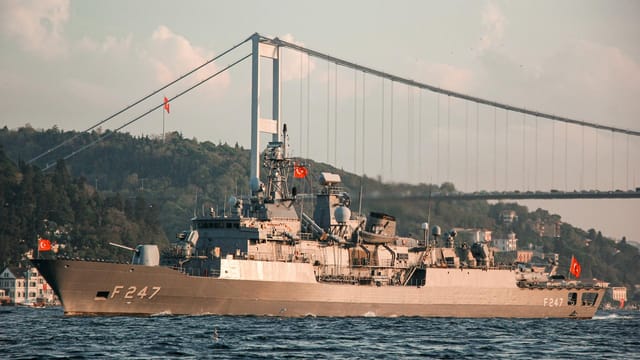
IMO: Naval Escorts in the Strait of Hormuz Are Unsustainable as Oil Markets Strain
The International Maritime Organization has cautioned that naval escorts through the Strait of Hormuz are neither fully protective nor sustainable, stressing the need for broader maritime and humanitarian measures. The warning arrives amid faltering U.S. efforts to muster a coalition for escorts and deepening disruptions to global oil flows, prompting coordinated releases from strategic reserves.

Iran Bars U.S. and Allies from Hormuz as Washington Seeks a Naval Escort Coalition — Allies Reply with Caution
Iran announced that the Strait of Hormuz remains open to commercial traffic but bars ships from the United States and its allies, while the U.S. seeks an international naval escort coalition. Allies have responded with caution, and energy markets and import-dependent countries such as Japan are taking contingency measures, including a major strategic oil release.

Iran Shifts to Sustained Strikes: Night Raid on U.S. Base in Kuwait and a Wider Campaign to Wear Down Washington and Tel Aviv
Iran says it has moved from isolated retaliation to a sustained campaign of multi‑wave strikes against U.S. and Israeli targets, claiming a night attack on a U.S. helicopter base in Kuwait that it says produced more than 100 wounded. The shift, combined with proxy operations and attacks on shipping, raises the prospect of a wider, protracted regional conflict with immediate economic effects on global energy markets.

Trump Rejects Talks and Vows to Reopen Strait of Hormuz as Iran Holds It Closed
President Trump has refused mediation with Iran and signalled a readiness to use force to ensure the Strait of Hormuz remains open, while Iran’s Revolutionary Guard says it controls and can close the waterway to vessels of countries attacking Tehran. Diplomatic efforts by Oman and Egypt have stalled, raising the prospect of sustained maritime confrontation with significant economic and geopolitical consequences.

Trump Declines Ceasefire Talks with Iran as Regional Mediation Efforts Stall
The Trump administration has declined proposals from Middle Eastern mediators to open ceasefire talks with Iran, prioritizing continued military pressure to degrade Tehran’s capabilities. Iran has rejected a ceasefire unless US and Israeli airstrikes stop, leaving mediation attempts by Oman, Egypt and others without progress and raising risks of prolonged regional conflict and market disruption.

Iran’s New Supreme Leader Signals Escalation After IRGC Claims to Have Disabled US Carrier — A Region on Edge
Iran’s IRGC says it launched a major round of strikes, claiming the USS Abraham Lincoln was rendered combat‑ineffective, while the newly installed supreme leader, Mujtaba Khamenei, used a televised address to vow revenge, threaten closure of the Strait of Hormuz and press Gulf states to expel U.S. forces. The competing claims and muted U.S. confirmation point to a campaign that blends military action, psychological operations and proxy warfare, raising the risk of prolonged regional disruption and oil‑market shocks.

US Treasury Chief Says No Price Too High for Action Against Iran, Raising Fiscal and Strategic Alarms
Treasury Secretary Scott Bessent told Sky News there is no monetary cost that would make him tell President Trump a war with Iran is unaffordable, while administration officials told Congress the first six days of such a conflict could cost at least $11.3 billion. The comment signals a willingness to prioritise strategic aims over fiscal caution, raising questions about Congressional funding, market fallout and regional escalation risks.

Iran’s New Supreme Leader Issues Vow of Revenge and Threatens Strait Closure — What It Means for a Fracturing Region
Mujtaba Khamenei’s inaugural statement as Iran’s new supreme leader framed the country’s response to a U.S.-Israel strike as uncompromising: a vow of revenge, a threat to keep the Strait of Hormuz closed, and continued reliance on the IRGC and regional proxies. The declaration raises the likelihood of prolonged asymmetric conflict, heightens risks to global energy markets, and creates both strategic challenges and limited diplomatic leverage for powers such as China.

Trump Signals Endgame While Reserving Strikes as Iran Escalates Missile and Economic Targets
President Trump has described U.S. operations against Iran as nearing their end while explicitly reserving targets for future strikes. Iran has escalated with missiles and drones against regional bases, shipping in the Strait of Hormuz and Israeli military nodes, and has signalled an intent to target economic assets tied to the U.S. and Israel, raising the stakes for regional stability and global markets.

Strait of Tensions: How China Weathered an Iran-Driven Oil Shock as Trump Seeks Credit
Despite rising attacks around the Strait of Hormuz, Chinese oil imports have largely continued, with roughly 11.7 million barrels of Iranian crude reported to have reached China after late February. The episode exposed limits to U.S. naval power in the narrow waterway, underscored China’s strategic energy buffers and left global markets braced for prolonged price volatility.

War on Iran Frays U.S. Consensus: Public Opposes Conflict as Capitol Splits
After nearly two weeks of U.S.-Israeli strikes and intense Iranian retaliation, the war has eroded political consensus in Washington and drawn broad public opposition. Lawmakers demand clear objectives while shipping disruptions and rising oil prices spread the economic and strategic fallout beyond the battlefield.