
# xAI
Latest news and articles about xAI
Total: 63 articles found

The AI Divorce Goes to Court: Elon Musk’s High-Stakes Crusade Against OpenAI
Elon Musk testified in a California court against OpenAI, accusing Sam Altman of fraudulent practices in pivoting the organization from a non-profit to a commercial titan. The trial highlights a bitter feud over AI governance and the personal rivalry between Musk and the leadership of the world's most valuable AI startup.

Silicon Valley on Trial: The High-Stakes Duel Between Elon Musk and OpenAI
Elon Musk and Sam Altman faced off in federal court over the legal and moral future of OpenAI, highlighting a deep rift between the organization's non-profit roots and its current commercial success. The case revolves around Musk's allegations of breach of contract and OpenAI's counter-claims that Musk is a disgruntled competitor.
The Battle for the Soul of AGI: Musk and Altman Square Off in Federal Court
Elon Musk’s lawsuit against OpenAI has entered the trial phase, with both sides presenting conflicting narratives about the organization's founding mission and its commercial pivot. The case explores whether OpenAI’s shift to a for-profit model constitutes a breach of contract and a betrayal of public trust, with significant implications for the governance of AGI.

The $2 Trillion Divorce: Musk and OpenAI Face Off in Landmark Trial Over the Soul of AI
Elon Musk’s lawsuit against OpenAI and Sam Altman has officially commenced in California, focusing on allegations that the firm abandoned its non-profit mission for commercial gain. The trial, occurring amid massive IPO preparations for both parties, could lead to the removal of OpenAI's top leadership and the redistribution of billions in assets.
SpaceX’s $60 Billion AI Gambit: Engineering the World’s Most Ambitious IPO
SpaceX has secured an option to acquire AI coding startup Cursor for $60 billion, a move designed to bolster its technological ecosystem ahead of a projected $2 trillion IPO in 2026. The deal integrates Cursor’s software expertise with SpaceX’s massive Colossus supercomputer to accelerate aerospace engineering.
Storage Breakthrough: How a Chinese Firm Scaled the Walls of the Global AI Elite
Chinese storage specialist Dapu Micro has successfully entered the supply chains of Google, Nvidia, and xAI, marking a significant validation of Chinese enterprise hardware in the global AI infrastructure market.

Musk’s xAI Broadens Grok’s Reach: The Strategic Move into Voice APIs
Elon Musk's xAI has launched voice-to-text and text-to-voice APIs for Grok, shifting the platform toward an infrastructure play for developers. The move focuses on high-fidelity, low-latency interactions, positioning Grok to compete with OpenAI in the multi-modal AI market and potentially integrate with Tesla's hardware.

Alibaba Reclaims AI Momentum as 'Happy Horse' Tops Global Video Editing Benchmarks
Alibaba's Happy Horse-1.0 has claimed the #1 spot on the Arena Video Edit Arena ranking, outperforming xAI and Kling. The achievement underscores Alibaba's successful strategic shift toward becoming an AI-first company and its growing dominance in generative video technology.
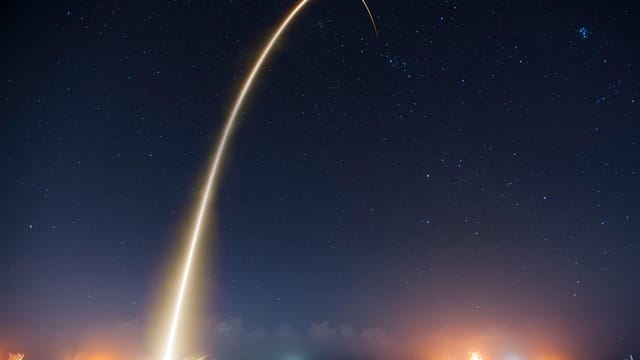
The Starlink Subsidy: How Elon Musk’s Satellite Empire Funds a Trillion-Dollar Ambition
Starlink has emerged as the primary profit engine for SpaceX, generating $11.4 billion in revenue with software-like margins that subsidize the company's massive losses in AI and rocket development. While Starlink's operational success is undeniable, SpaceX's $1.25 trillion valuation remains heavily dependent on continued exponential growth in the satellite internet sector.
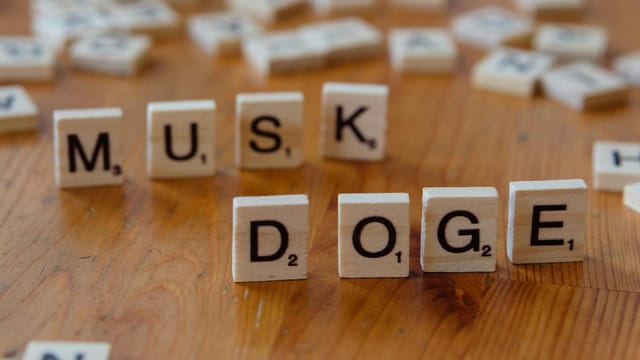
Elon Musk’s “Everything App” Gambit: The Privacy Paradox of XChat’s Debut
Elon Musk's X is launching XChat on April 17, a standalone messaging app intended to anchor a Western 'super-app' ecosystem. Despite marketing 'total privacy,' technical analysis reveals significant security loopholes and data-sharing practices that benefit Musk's AI ventures.
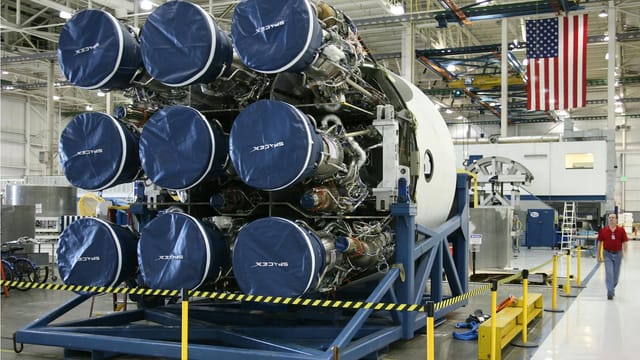
The AI Albatross: Elon Musk’s Vision for SpaceX Meets a $5 Billion Reality Check
SpaceX is facing a $5 billion annual loss as the massive capital requirements of xAI drain its aerospace profits, prompting a rush toward a $75 billion IPO. While Starlink and launch services remain profitable, the company's $2 trillion valuation target is facing scrutiny from Wall Street amid management turnover and high burn rates.

Beyond the Bulge Bracket: Musk’s SpaceX IPO and the Disruption of High Finance
Elon Musk is reportedly restructuring the SpaceX IPO to favor retail investors, signaling a major move to bypass traditional investment banking distribution networks. By leveraging his personal brand and massive online reach, Musk aims to fund his cash-hungry AI and space ambitions while rewriting the rules of corporate valuation.