
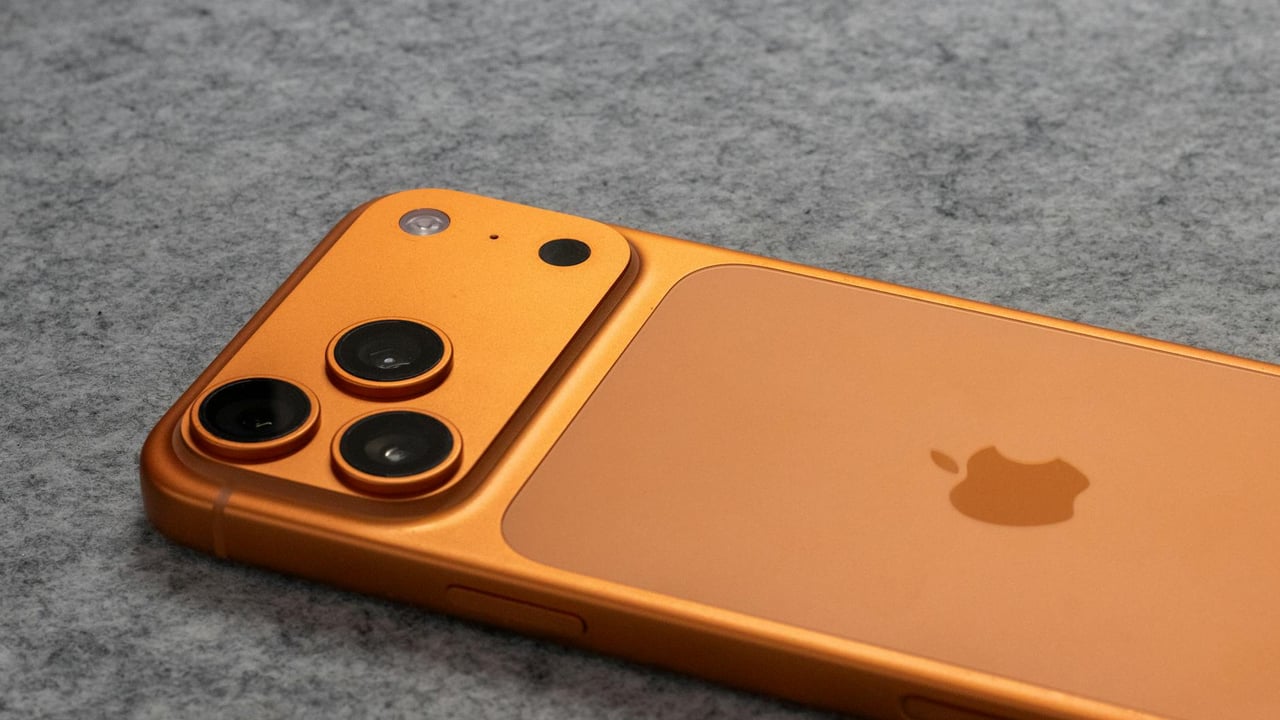

Apple’s China online store has launched a brief New‑Year promotion that will shave up to RMB 1,000 off selected iPhones, Macs, iPads and Apple Watches for purchases made with qualifying payment methods between 00:01 on January 24 and 23:59 on January 27. The discount, equivalent to roughly $140 at current exchange rates, is narrow in time and scope: Apple’s freshly released iPhone 17 series is explicitly excluded from the sale.
The timing is hardly accidental. The four‑day window coincides with the run‑up to the Lunar New Year, a period when Chinese consumers are primed to spend on electronics and retailers routinely deploy short, intense promotions. For Apple, which seldom offers steep price cuts on its own online channels in China, the move signals a tactical push to stimulate demand ahead of one of the market’s busiest retail moments.
There are several forces pushing Apple toward such promotions. China’s handset market has matured and growth is sluggish; upgrade cycles have lengthened and local brands continue to press on value and features. Short, targeted discounts help clear inventory of older models, shore up quarter‑end sales and support third‑party retail partners and bank promotions without undermining the premium positioning of the newest models.
The exclusion of the iPhone 17 line is notable. Preserving full price for the most recent flagship limits margin erosion and maintains a perception of scarcity for devices Apple is still actively marketing. At the same time, making Mac and iPad models eligible suggests a broader strategy to stimulate the wider Apple ecosystem in China, where tablets and laptops have become more important revenue contributors.
For consumers, the headline figure is modest but meaningful: up to RMB 1,000 off can be the deciding factor for buyers on the margin. For competitors, it is a reminder that Apple will use its deep pockets and flexible channel tactics to counter domestic rivals during critical sales windows. For investors and observers, the limited‑duration cut is a data point in a larger story about how premium Western tech companies adapt pricing and promotions to a more competitive and cost‑sensitive Chinese market.
What to watch next is whether Apple extends similar campaigns around other retail junctures, how aggressive local rivals respond, and whether such promotions translate into measurable improvements in unit sales and device attachment across Apple services in China. The firm’s approach to balancing short‑term sales incentives with long‑term brand premium will be central to its performance in the world’s largest smartphone market.