
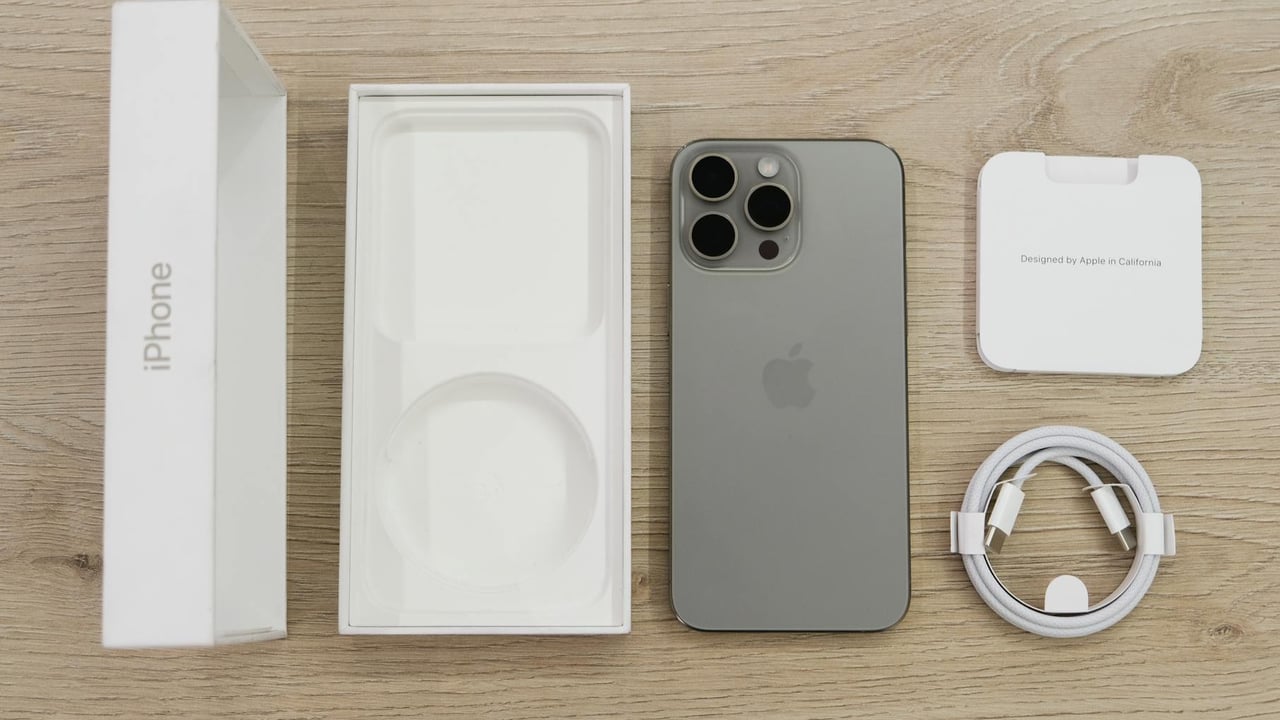

Apple has launched a short, New Year promotional campaign on its China online store, offering instant discounts of up to ¥1,000 on selected iPhones, Macs, iPads and Apple Watches for purchases made between 24 and 27 January 2026 using qualifying payment methods. The promotion covers iPhone 16, iPhone 16 Plus and the lower‑cost iPhone 16e, while the iPhone 17 series is explicitly excluded from the offer.
The move is a classic seasonal play: Chinese New Year remains one of the busiest shopping periods in China, and limited‑time price reductions are a fast way to convert demand and clear inventory ahead of the spring sales calendar. By running the promotion on its official website, Apple controls the messaging and redemption mechanics, steering traffic to its direct channel rather than relying solely on third‑party retailers or discount platforms.
For consumers the headline is simple — a meaningful, immediate saving on popular models. For Apple the calculus is more nuanced. Temporary reductions allow the company to stimulate upgrades among price‑sensitive buyers without altering permanent list prices. Excluding the iPhone 17 suggests Apple is protecting demand for more recently launched, higher‑margin models while using older or lower‑priced SKUs to capture holiday spend.
The timing also intersects with broader market dynamics. Domestic smartphone makers such as Huawei, Xiaomi and Honor have continued to press on features and price, narrowing the premium gap that traditionally sustained Apple’s margins in China. Limited promotions help Apple remain competitive during a period when many Chinese consumers expect bargains, particularly for gift purchases during the Lunar New Year.
There are operational angles as well. Offering discounts tied to qualifying payment methods — typically bank instalments, partner payment schemes or designated card promotions — lets Apple share the promotional cost with financial partners and preserve cash flow. It also gives banks and payment platforms an incentive to promote Apple sales to their customer bases, amplifying reach without deeper price cuts across the board.
The short duration and modest ceiling of the rebate mean the campaign is unlikely to spark a structural price war, but it signals Apple’s readiness to use tactical discounts in China more frequently. For international observers, the promotion underscores how Apple adapts global premium positioning to one of its most important and most competitive markets by blending targeted discounts, payment‑partner arrangements and direct‑to‑consumer promotions.