
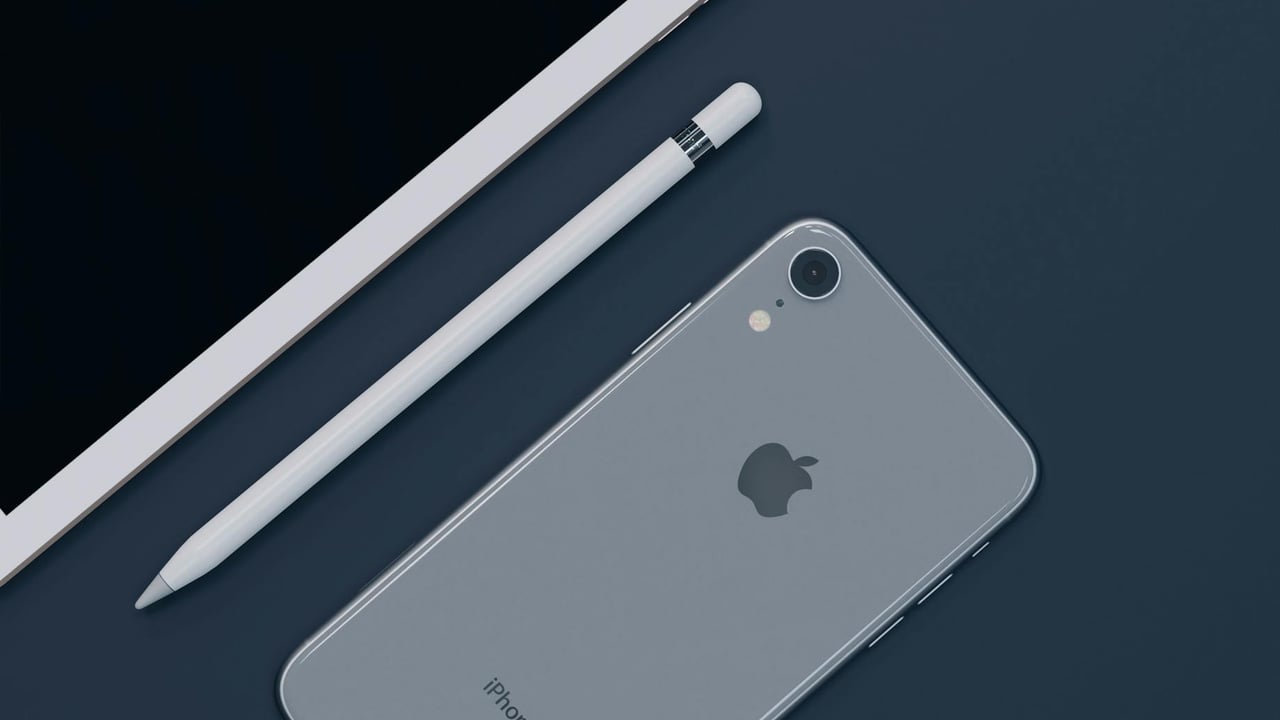

Apple closed its fiscal fourth quarter with a rare bit of good news: revenue rose 16% year‑on‑year to $144 billion, fuelled by what CEO Tim Cook called the company’s “best quarter ever” for iPhone. The handset generated $85.3 billion in sales, up 23% and accounting for nearly 60% of total revenue, a remarkable concentration of growth around the product that still defines the company.
The most striking detail was performance in Greater China. iPhone revenue there climbed to roughly $25.5 billion, a near 38% increase from $18.5 billion a year earlier. Cook highlighted sustained, double‑digit growth in retail footfall at Apple stores, a rise in “switchers” coming from rival brands, and record instal-base metrics across mainland China and the greater region.
Beyond the flagship phone, Apple flagged healthy trends across other device lines in China. The company said most MacBook and Apple Watch buyers in the market were new users of those product lines, while iPad sales also improved—signs that Apple’s ecosystem still has room to expand among Chinese consumers.
Independent data show the handset rebound is tangible at scale: IDC places Apple first in China in Q4 2025 with 16 million shipments and a 21.1% market share, a year‑on‑year shipment increase of 21.5%. Local brands—vivo, OPPO, Huawei, Xiaomi and Honor—remain competitive but, apart from OPPO, recorded declining shipments in the quarter.
Analysts point to a mix of product, pricing and strategic moves behind the recovery. The iPhone 17 cycle appears to have resonated with consumers, while Apple’s tactical price adjustments to qualify for Chinese subsidies improved perceived value. The company has also been quietly rebalancing its supply chain—shifting some manufacturing to India and boosting US investment—to ease geopolitical and tariff pressures.
The rebound matters politically and economically. Since 2021 Apple had endured a sharp slowdown in China as domestic rivals gained ground with more aggressive pricing and feature competition. Regaining momentum in Greater China not only restores a crucial revenue stream but also bolsters investor confidence at a time when Apple faces scrutiny over slowing innovation, AI strategy, and geopolitical risk.
That optimism carries caveats. A new‑model bump is rarely permanent: sustainability will depend on whether Apple can convert switchers into long‑term ecosystem customers and maintain price competitiveness without eroding margins. Meanwhile, the company’s exposure to China—both as a market and a manufacturing hub—remains a strategic vulnerability in the face of potential trade friction and an increasingly capable local supply base.
For now, Cook’s exuberance is well founded: the data show a clear product‑led recovery in the region that matters most to Apple’s growth story. The next challenge will be translating this quarter’s success into durable market share gains amid intensifying competition and shifting geopolitical winds.