
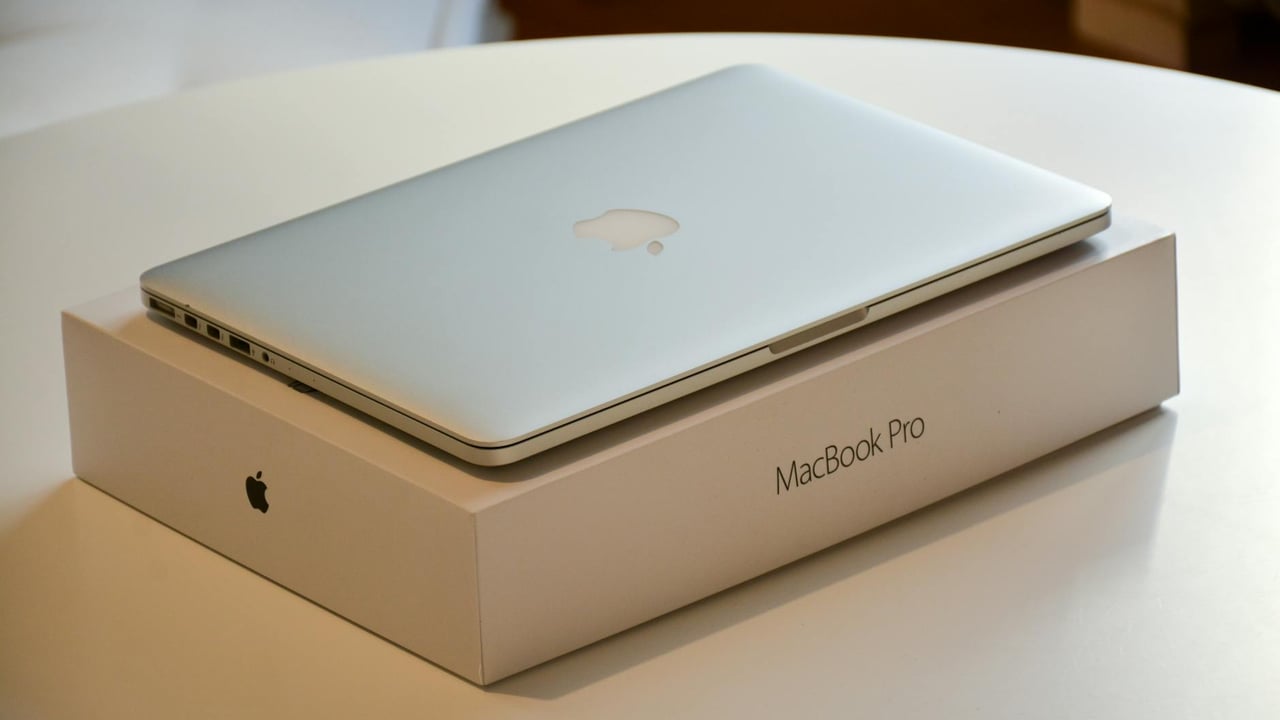

Apple has introduced the MacBook Neo, a deliberately lower‑priced notebook that starts at ¥4,599 (about USD 650). The new model is notable not merely for its sticker price but for its processor: the MacBook Neo runs on the A18 Pro chip — the same system‑on‑chip used by the iPhone 16 Pro series — marking the first time Apple has put an iPhone processor inside a Mac.
The Neo is a compact 13‑inch Liquid Retina laptop with an aluminium shell offered in four colourful finishes: silver, peach, citrus yellow and indigo. It comes in two storage tiers — 256GB for ¥4,599 and 512GB for ¥5,299 — and will be available for preorder on 6 March and on sale from 11 March. Apple rates the Neo for roughly 16 hours of battery life, 500 nits of screen brightness and a weight of about 1.2kg, making it lighter and slightly smaller than the 13.6‑inch MacBook Air.
The choice of an A‑series chip is the clearest strategic signal. Apple has long steered clear of the low‑end PC market; using smartphone silicon lets it compress price without an obvious drop in everyday performance. Apple executives frame the Neo as a device to broaden access to the Mac experience and pull more users into the company’s ecosystem of iPhone, iPad and services.
That positioning comes with practical claims: Apple says the Neo can outperform some popular Intel‑based PCs on routine web and productivity tasks and is faster on device‑side AI workloads such as photo editing. Observers note the Neo is still pricier than the cheapest Chromebooks and Windows machines, but its design, build quality and app compatibility aim for a perceived premium above budget rivals and a direct challenge to Microsoft and Google in education and light‑business procurement.
The MacBook Neo also raises questions about Apple’s product architecture. The introduction of an A‑series Mac suggests Apple is comfortable blurring former distinctions between mobile and laptop silicon, using different chip families to segment the market: high‑end machines will continue to use M‑series processors while the Neo leverages the cost‑efficiency and power of advanced mobile SoCs. For developers and IT buyers, that means balancing app compatibility, performance expectations and fleet heterogeneity.
What to watch next is straightforward. Will the Neo attract new users into Apple’s walled garden — particularly students and institutional buyers — without cannibalising Air and entry‑level M‑series sales? Can Apple scale supply and preserve margins if the Neo proves popular? And how will rivals respond on price, features and enterprise partnerships as Apple pushes its ecosystem further down the price ladder?