
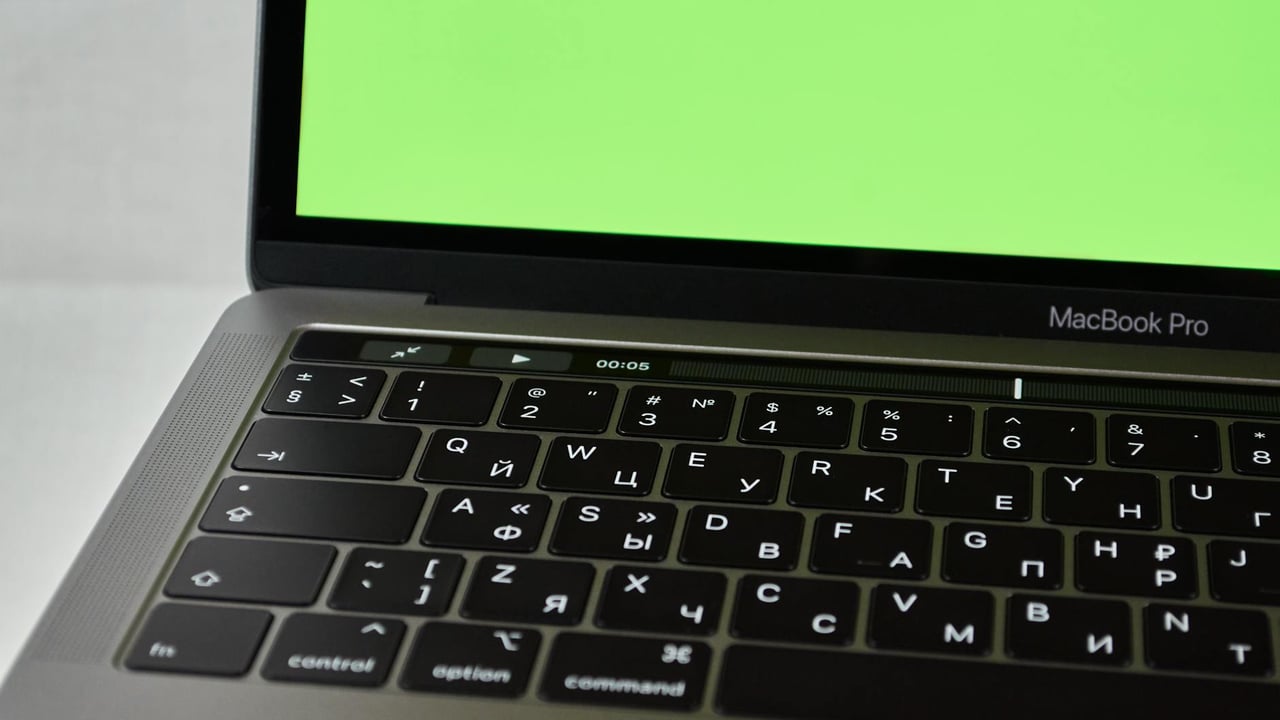

Apple has introduced the MacBook Neo at a China launch in Shanghai, opening a new front in the company's laptop strategy by targeting the entry-level and education segments with a starting price of ¥4,599. The device is notable for two departures from recent Mac orthodoxy: it runs on an A-series system-on-chip — the A18 Pro first seen in the iPhone 16 Pro — and it reintroduces a colourful aluminium chassis that echoes the playful palette of Apple’s late‑1990s iBook.
At 1.23 kg and with a 13‑inch Liquid Retina display at 2408×1506 pixels, the MacBook Neo is lightweight and deliberately consumer-friendly. The screen supports 10‑bit colour and 500 nits of peak brightness and, importantly for many buyers, dispenses with the notch that has become standard on recent Macs.
Using the A18 Pro lets Apple build a fanless laptop that promises silent operation and long battery life — the company advertises up to 16 hours of use on a charge. The machine keeps a modest port selection (two USB‑C connectors and a 3.5 mm headphone jack), supports Wi‑Fi 6E and Bluetooth 6.0, and delivers basic multimedia features: Dolby Atmos stereo speakers, a 1080p webcam and a dual‑microphone array.
Design choices underline Apple’s aim at younger and price‑sensitive buyers. Alongside silver, the Neo will be available in peach‑pink, citrus yellow and indigo; the aluminium body uses a softer, rounder language than current MacBook Pros and Airs. Some conveniences familiar from higher‑end models are omitted or limited — MagSafe charging is absent and Touch ID is available only on select higher configurations.
This product marks a strategic experiment. Apple has, until recently, positioned Macs at the premium end of the market, differentiating them via proprietary M‑series silicon that blurred the line between mobile and desktop performance. Offering a Mac with an iPhone‑class chip and a sub‑¥5,000 price tag signals a deliberate play to broaden the Apple ecosystem’s footprint among students, first‑time laptop buyers and cost‑conscious consumers who otherwise buy Chromebooks or cheap Windows notebooks.
The move will reshape competition at the low end of the PC market. For hardware partners and chipmakers that rely on Intel and AMD, Apple’s low‑cost Mac could siphon demand in key segments and prompt Windows OEMs to sharpen price‑performance or bundle services. For Apple, the trade‑off is balancing slim margins and feature tradeoffs against greater device attachment and a chance to capture customers earlier in their lifecycle.