
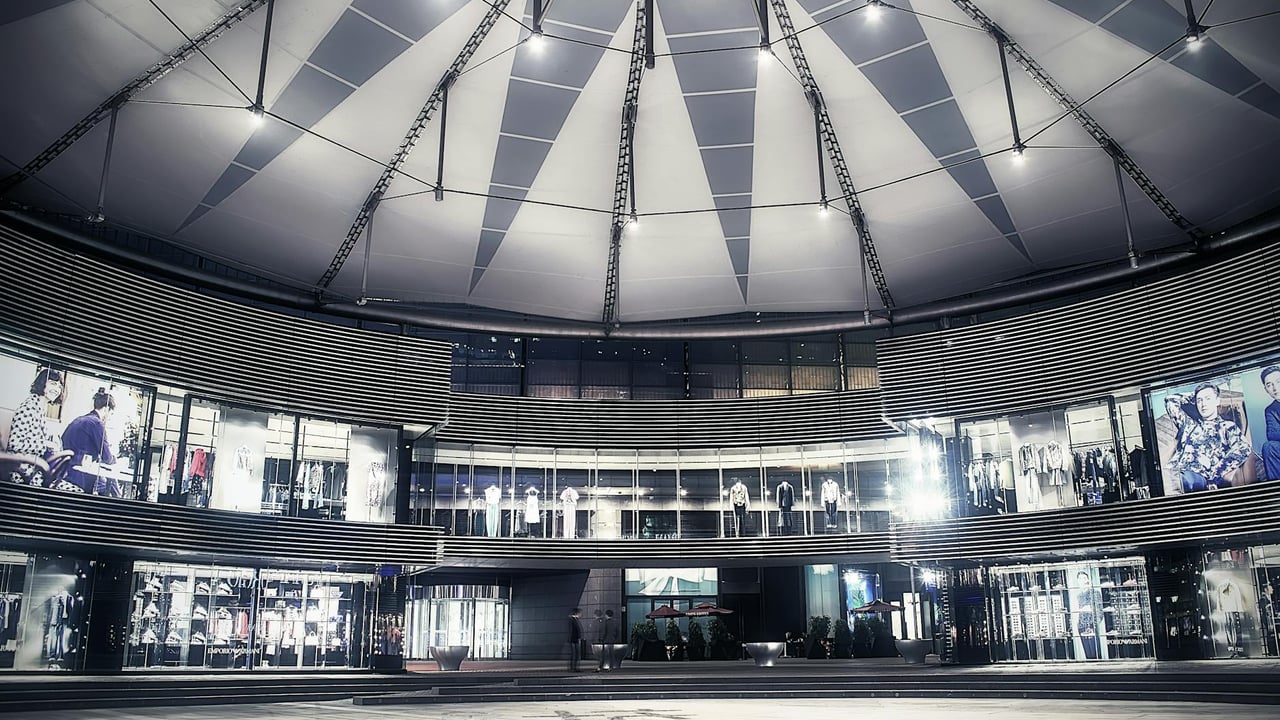

Long lines outside high‑end malls have become a new shorthand for China’s recent gold frenzy. Established brands raised retail prices in late February and March, and the sight of customers queuing for hours at boutiques such as Laopu and Junpei has drawn entrepreneurs who sell their place in line to buyers eager to “buy the rise.”
What started as opportunistic reselling has hardened into a semi‑professional daigou (proxy‑buyer) trade. Experienced operators combine membership privileges, shopping‑mall promotions and rapid in‑store purchases to assemble multiple items in one visit; they charge buyers a service fee (typically around 1%) on top of the jewellery price and sometimes pocket additional gains from merchant incentives or resale of promotional gifts.
At the top end, some long‑standing daigou report annual incomes in the hundreds of thousands of yuan, but more recent entrants face brutal competition and sharply reduced margins. Newcomers describe days spent queueing before dawn and stitching together large single receipts to hit store promotion thresholds — tactics that shrink profit per transaction and multiply operational and reputational risk.
The business model depends on three linked distortions: rising international gold prices, brands’ willingness to position certain pieces as near‑luxury and deliberate supply control by manufacturers and retailers. That combination creates scarcity at the point of sale and a premium for immediate availability, which resellers monetise.
Macro dynamics help explain why gold has become the vehicle of choice. Analysts point to geopolitical tensions, a weaker dollar amid expectations of US interest‑rate cuts and recent exchange margin adjustments that squeezed short positions — all forces that have lifted spot prices. Higher raw metal costs then translate into more expensive finished jewellery, especially for branded, craft‑oriented pieces that command a further design and brand premium.
But the daigou boom carries acute vulnerabilities. Operators who use leverage to hoard popular styles risk steep losses if prices retreat; second‑hand markets typically do not restore brand premiums or manufacturing surcharges, leaving buyers exposed to heavy markdowns. The low barriers to entry have also invited fraud: reported schemes involve impostors obtaining real sales vouchers from legitimate proxy buyers and then switching identities to sell to unsuspecting customers.
Consumers, meanwhile, face a trade‑off between convenience and certainty. Some buyers value the psychological comfort of holding a tangible asset that has appreciated; others decide the incremental cost of a proxy service, plus the reputational and fraud risks, is not worthwhile. Many are rediscovering the benefits of in‑person purchases — authenticity guarantees, in‑store warranties and the ability to test finish and fit under shop lighting — even if that requires patience.
The current episode is telling less about jewellery than about a wider behavioural pattern in China’s retail and investment culture. When an asset is widely perceived as a safe haven, distribution bottlenecks and promotional mechanics can create speculative micro‑economies. For now, the daigou ecosystem is a mirror: it reflects both ordinary savers’ appetite for perceived stability and the precarious arbitrage opportunities that appear where consumer finance, luxury branding and volatile commodity prices intersect.