
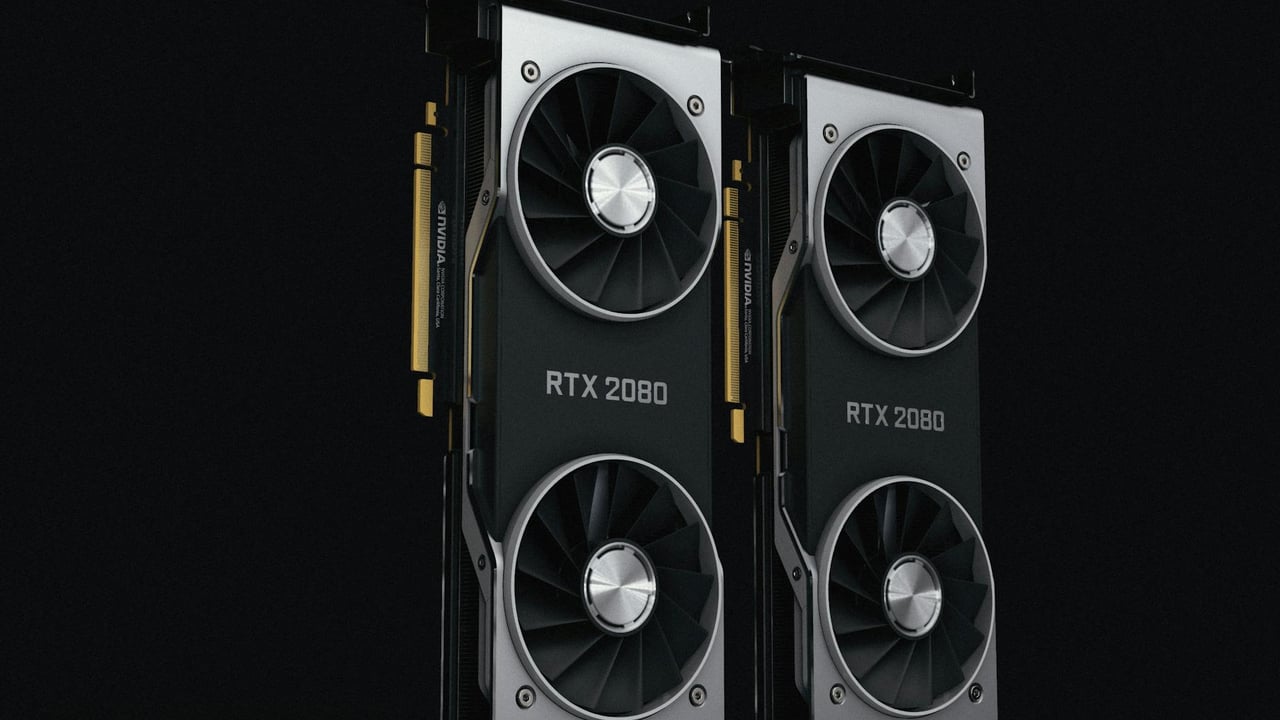

At its GTC conference this week Nvidia unveiled DLSS 5, a generative-AI upgrade to its deep learning super sampling stack that promises Hollywood‑grade lighting and material effects on consumer graphics cards. The presentation, billed by CEO Jensen Huang as a “GPT moment” for graphics, touched off an unusually public argument: some players and observers say the AI’s alterations make familiar characters look unrecognisable, while Nvidia insists artistic control remains firmly with developers.
DLSS has long been Nvidia’s showcase for converting AI compute into better consumer visuals: lower‑resolution rendering plus neural upscaling to produce higher‑quality frames or even synthesize new frames, reducing the real‑time load on the GPU. Nvidia says previous iterations already meant the majority of pixels on players’ screens were AI‑generated; DLSS 5 goes further by introducing real‑time neural rendering models that operate at a geometric and material level to produce “photo‑real” light and textures.
The most visible reaction to the demos focused on character fidelity. Footage of the protagonist Grace from Resident Evil: Requiem and adolescent apprentices from Hogwarts Legacy showed faces and ages altered enough that some players asked, “Is this the same person?” Critics accused Nvidia of letting AI rewrite artistic intent and drying up the nuance that game artists build into character design.
Huang met that criticism head‑on during an analyst Q&A, saying bluntly that detractors are “completely wrong.” He argued DLSS 5 fuses controllability over geometry, textures and other in‑game elements with generative models, and that developers will be able to fine‑tune outputs to match a game’s style. Nvidia and partner studios have emphasised that the feature is an option and that art teams retain final say over lighting and appearance.
A rapid PR campaign followed. Nvidia’s GeForce global PR lead told media that developers such as Capcom keep “detailed artistic control,” while Bethesda — whose Starfield studio appears in the demo roll — and other partners described the footage as early previews that their teams will continue to adjust. Nvidia said DLSS 5 will ship commercially this autumn, and announced a broad roster of integrating developers including Tencent, NetEase, Ubisoft, NCSOFT and several AAA studios.
The debate exposes fault lines about how AI is deployed in consumer entertainment. For Nvidia, DLSS 5 is a commercial step: it further monetises chip‑level AI capacity by bringing generative models into the frame pipeline, sharpening Nvidia’s value proposition to both gamers and game studios. For artists and players, the issue is trust and authorship — whether algorithmic intervention will become a stealthy default that changes the look and feel of games without adequate human oversight.
Beyond aesthetics, there are practical and political stakes. If DLSS 5 delivers on its promise, it could lower the hardware bar for photoreal visuals and accelerate adoption of AI renderers across consoles and PC, reshaping development pipelines and hardware demand. Conversely, visible missteps risk consumer backlash and could prompt calls for clearer labelling, opt‑out mechanisms, or studio assurances about artistic control and IP usage.
Nvidia now has months before DLSS 5’s rollout to demonstrate the tools, workflows and guardrails that keep designers in charge. How the company navigates the optics — and how studios balance convenience against creative intent — will determine whether DLSS 5 is remembered as a technical leap or a cautionary episode in the era of generative graphics.