
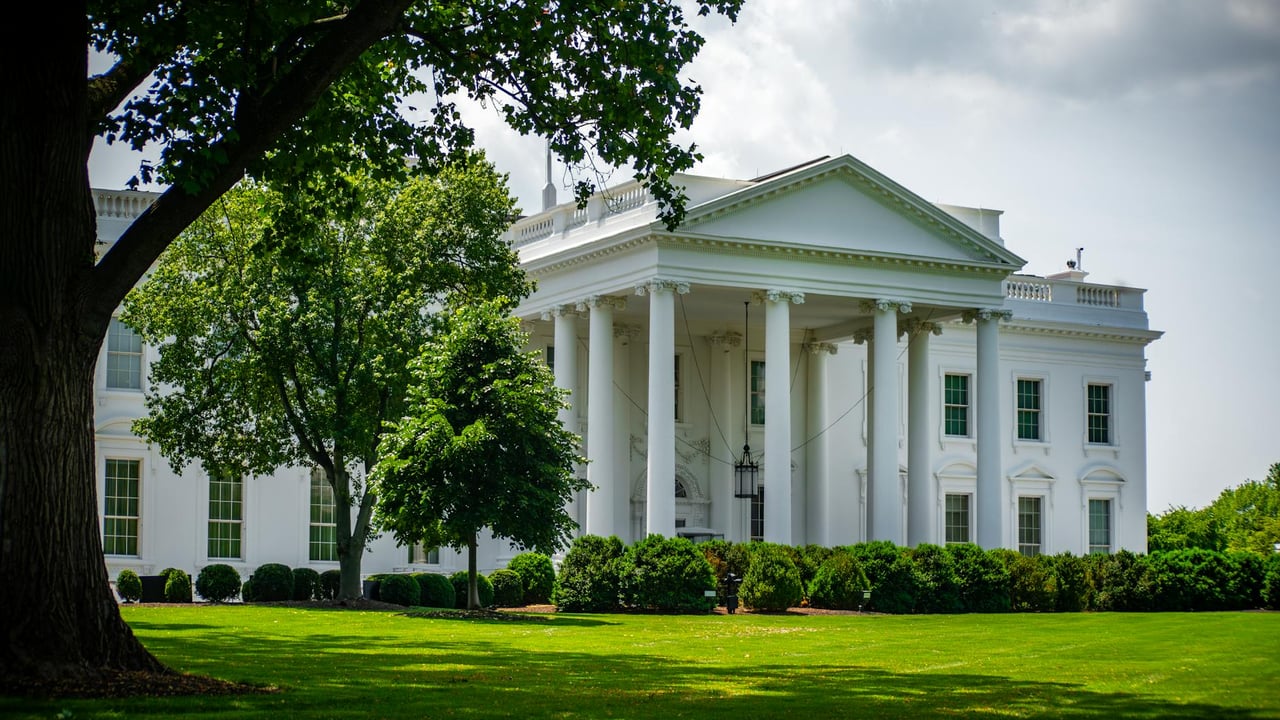

In a move that shattered decades of institutional precedent, Kevin Warsh was sworn in as the Chairman of the Federal Reserve not within the stoic walls of the central bank’s headquarters, but at the White House. This symbolic change in venue, orchestrated by President Donald Trump, signals a fundamental shift in the relationship between the executive branch and the world’s most powerful monetary authority. While the President publicly called for Warsh to remain 'completely independent,' the optics of a White House swearing-in suggest an administration intent on keeping the central bank within its immediate orbit.
Chairman Warsh took the oath promising a 'reform-oriented' Federal Reserve, a phrase that will likely trigger both curiosity and caution among global markets. His emphasis on 'clear judgment and a firm stance' arrives at a precarious moment for the U.S. economy. Even as the Dow Jones Industrial Average hits fresh record highs, the internal dynamics of the Fed are tightening. Governor Christopher Waller recently signaled that a broader-than-expected rise in consumer prices in April has effectively removed rate cuts from the immediate table, with markets now pricing in potential hikes by late 2026.
This hawkish shift in monetary sentiment coincides with a deepening divergence in global equity markets. Apple has surged to a historic $4.5 trillion valuation, underscoring the dominance of U.S. mega-cap tech. Conversely, Chinese equities faced a brutal sell-off, with the Nasdaq Golden Dragon Index sliding over 2%. Leading Chinese fintech firms like Futu Holdings and UP Fintech saw their valuations crater by more than 25%, reflecting persistent geopolitical anxieties and perhaps a cooling of the recent 'China trade' optimism.
Beyond the marble halls of finance, the specter of military conflict is returning to the forefront of U.S. foreign policy. President Trump’s recent declaration that Iran’s nuclear ambitions 'will soon be over' was accompanied by reports of high-level war planning at the White House. Sources suggest that unless a diplomatic breakthrough occurs imminently, the administration is seriously weighing a return to kinetic strikes. This aggressive posture has been met with skepticism in Tehran, where officials describe the gap between the two nations as too 'deep and wide' for current mediation efforts to bridge.
As the Warsh era begins, the global economy finds itself at a crossroads defined by institutional reform and geopolitical brinkmanship. The Fed must now navigate a path that balances inflation control with an increasingly assertive executive branch. Simultaneously, the escalating tension with Iran threatens to inject a new wave of volatility into energy markets, which have already seen crude prices begin to climb in anticipation of potential supply disruptions.