
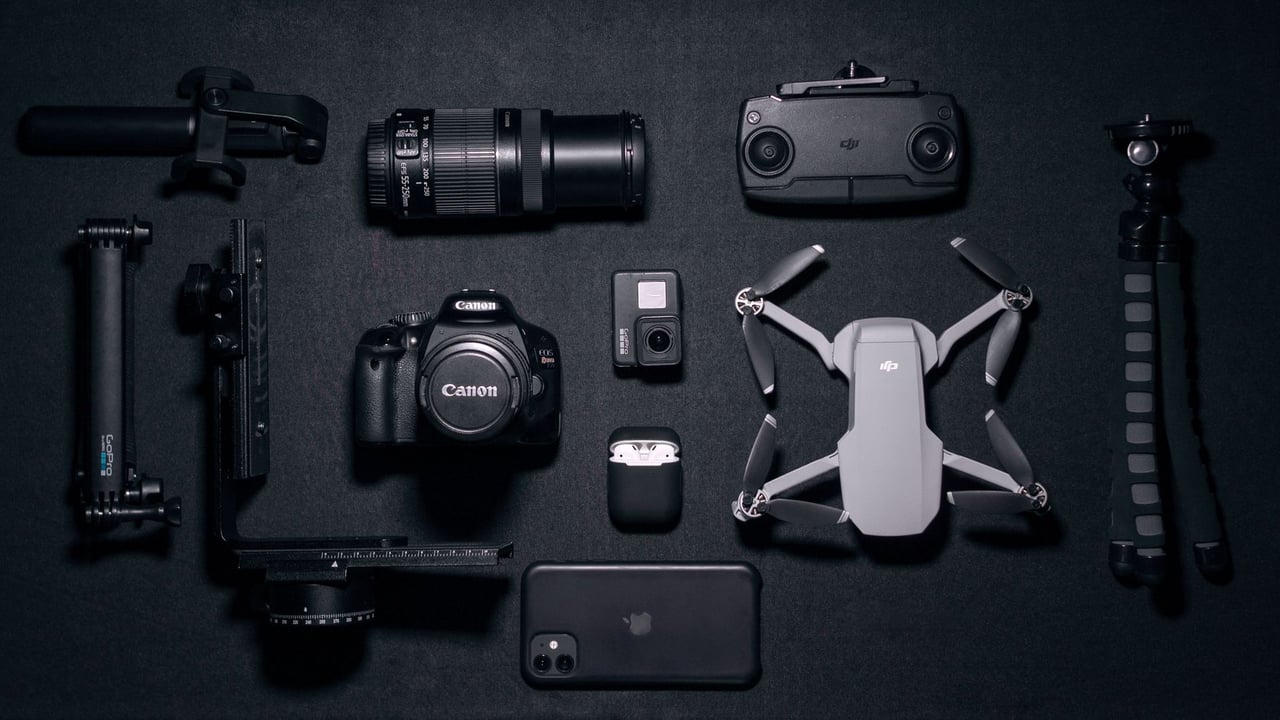

The global handheld smart camera market has transitioned into a near-total duopoly dominated by Chinese hardware giants, leaving former pioneers struggling for oxygen. New data for the first quarter of 2026 from market intelligence firm IDC reveals that DJI and Insta360 have effectively cornered the market, leveraging superior supply chain integration and aggressive R&D cycles to outpace Western competition.
DJI remains the undisputed heavyweight champion of the sector, commanding a staggering 65% share of global shipments. Despite its massive size, the Shenzhen-based leader grew by 38% year-over-year, proving that its dominance in stabilization technology and professional-grade imaging remains the benchmark for the burgeoning 'creator economy.' DJI’s ability to scale high-end features down to consumer-level price points continues to act as a formidable moat against newcomers.
Meanwhile, the most significant disruption is coming from Insta360, which has solidified its position as the world's second-largest player with a 22% market share. Posting a growth rate of 66%—the fastest in the industry—Insta360 has successfully moved beyond its niche roots in 360-degree video to become a mainstream alternative to traditional action cameras. Its success is rooted in modular designs and AI-driven post-production software that simplifies the editing process for mobile-first users.
This rapid expansion by Chinese firms has come at a direct cost to GoPro, the American brand that once defined the category. According to the IDC report, GoPro continues to see its global shipment volume contract as it struggles to match the rapid innovation cycles of its Shenzhen-based rivals. The current market landscape suggests a fundamental shift where the 'Made in China' label has evolved into 'Engineered in China,' setting the pace for the global imaging industry.