
Business News
Latest business news and updates
Total: 2932
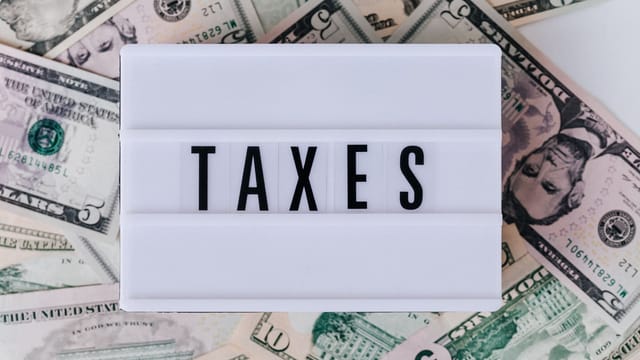
China’s Fiscal Squeeze: A-Share Giants Hit by Wave of Retroactive Tax Demands
Multiple Chinese listed companies have been forced to pay hundreds of millions in back taxes and late fees following a wave of 'self-inspections.' This aggressive enforcement highlights the fiscal strain on local governments and poses a significant risk to corporate profitability in the A-share market.

Warsh’s Trial by Fire: Strong Jobs Growth and Political Pressure Collide at the Fed
A surprisingly strong U.S. jobs report has triggered a bond market rout and shifted Wall Street’s focus from rate cuts to potential hikes. Federal Reserve Chair Kevin Warsh faces his first major test as he navigates high inflation, institutional skepticism, and direct pressure from President Trump to lower rates.
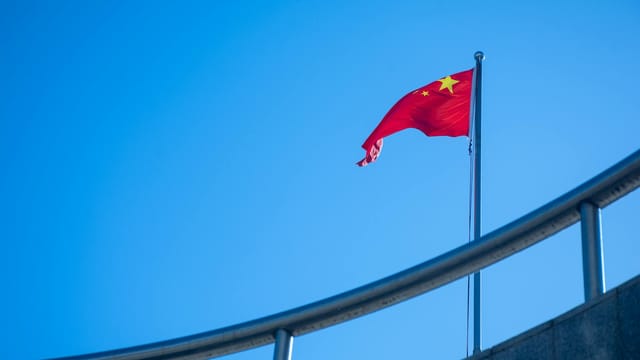
Beijing Reins in its 23 Trillion RMB Private Capital Market to Fuel High-Tech Ambitions
China's State Council has released a comprehensive new framework to regulate its 23 trillion RMB private equity industry, focusing on stricter entry requirements and curbing local government fund proliferation. The policy shifts the sector's focus toward 'patient capital' and long-term investments in 'hard tech' to support national strategic goals.

The $25,000 Syllabus: Why Wall Street Elite are Queuing for AI Lessons
Former SoftBank investors have built a high-growth business charging Wall Street firms $25,000 per session to bridge the gap between expensive AI tools and employee proficiency. As major banks restructure and automate, AI training has become a critical survival mechanism for finance professionals facing industry-wide job cuts.

The Bitter Aftertaste: Nayuki’s Tea Grapples with IP Woes and a Shrinking Empire
Nayuki’s Tea has been penalized for intellectual property infringement against Pop Mart, marking another low point for the embattled beverage giant. Facing a cumulative loss of 6.4 billion RMB and a shrinking store count, the company is struggling to survive an intense price war and declining consumer demand in China.

Sinopharm’s Shopping Spree: Can M&A Cure the Giant’s Growing Pains?
Sinopharm Group is attempting to offset a stagnation in its core distribution business through a 10-billion-RMB acquisition spree in the diagnostics and blood-product sectors. However, the group faces significant hurdles, including high debt, internal competition among its 1,700 subsidiaries, and the ongoing pressure of China's centralized drug procurement policies.

The Myth of the AI-Powered Solopreneur: Why China’s One-Person Startups are Stalling
While AI has lowered the technical barriers to starting a business in China, many 'one-person companies' are failing due to a lack of commercial logic and market demand. Former tech employees are finding that while AI can automate tasks, it cannot replace the strategic decision-making and marketing required to generate revenue.

The Chilling Wind at Gree: Divestment and Decline for China’s Air-Con Queen
Gree Electric's largest shareholder, Zhuhai Mingjun, has sold a significant stake to repay debt, amid a backdrop of declining revenue and losing market share to rivals Midea and Haier. The company is attempting to stabilize its stock through massive buybacks and high dividends despite a challenging 10% drop in annual profits.
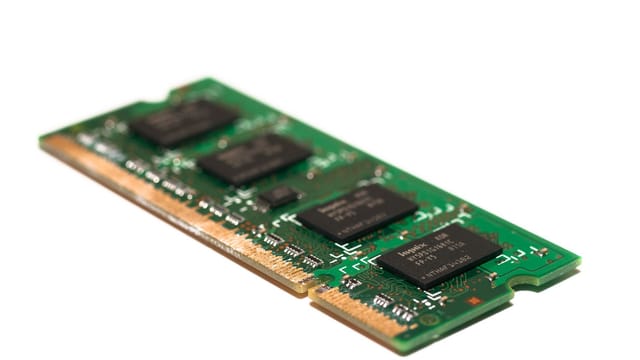
The Silicon Squeeze: Why China’s EV Price War is Pausing for a 180% Chip Surge
A 180% surge in automotive-grade memory chip prices over the past three months has forced over ten Chinese NEV manufacturers to raise prices or reduce discounts. This shift marks a significant disruption in the ongoing price war, contrasting sharply with the traditional fuel vehicle market, which continues to rely on heavy promotions to maintain volume.
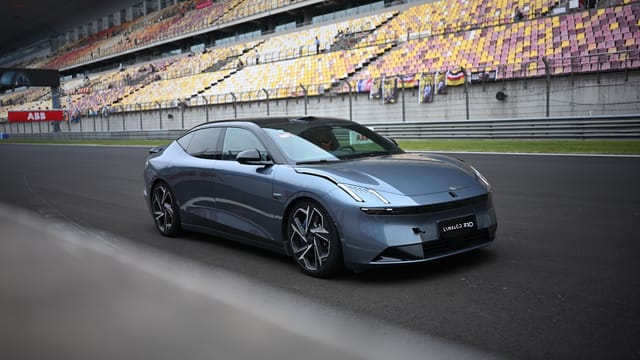
The Silicon Squeeze: Soaring Memory Costs Test China’s EV Dominance
A 180% surge in automotive-grade memory chip prices has forced over ten Chinese NEV makers to raise prices or cut incentives, while the traditional fuel car market continues deep discounting to survive.

The $750 Billion Countdown: SpaceX and the New Era of Commercial Supremacy
SpaceX is preparing for a landmark IPO on June 12, 2026, with a valuation expected to reach $750 billion. The move signals the firm's transition from a launch provider to a comprehensive space and AI infrastructure giant, sparking intense debate among global investors and Chinese tech observers.
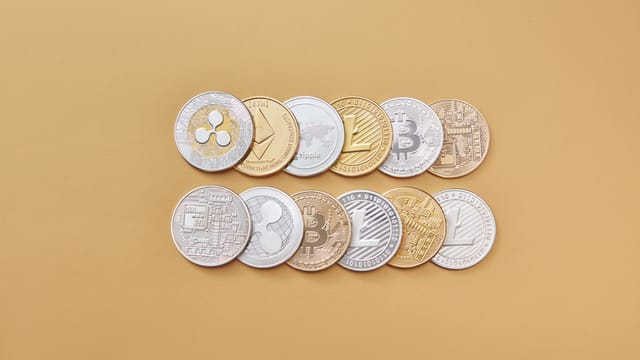
The Gilded Retreat: Gold and Silver Face a Bracing Reality Check
Precious metals markets saw a massive sell-off this week, with gold and silver prices retreating toward early 2025 levels. Driven by surging U.S. yields and weak physical demand from major importers like India, the move signals a potential pause in the long-term bullish narrative for bullion.