
Business News
Latest business news and updates
Total: 2979

The Bitcoin Whale’s Gambit: MicroStrategy Surpasses 818,000 BTC in Global Accumulation Drive
MicroStrategy has acquired another 3,273 Bitcoin for $255 million, bringing its total holdings to over 818,000 BTC. With a total cost basis of $61.8 billion, the firm’s aggressive accumulation strategy continues to redefine corporate treasury management in the digital age.
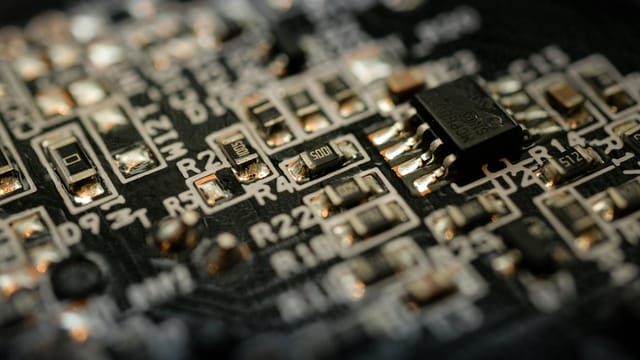
Semiconductor Surge Buffers Hong Kong Markets as Biotech Falters Amid Regulatory Headwinds
Hong Kong's Hang Seng Index remained flat as a 6% rally in semiconductor giants SMIC and Hua Hong was offset by a sharp decline in the biotech sector. Positive industrial profit data from the mainland provided a floor for the market amidst ongoing regulatory shifts in the healthcare industry.

Beijing Flexes Regulatory Muscle: China Blocks Foreign Acquisition of 'Manus' Project on National Security Grounds
China's NDRC has blocked a foreign takeover of the 'Manus' project, ordering the deal to be rescinded on national security grounds. The move signals a tightening of investment vetting and a prioritization of technological sovereignty over foreign capital inflow.

The 10-Yuan Lunch: How China’s Pork Deflation is Rewriting the Rules of Urban Dining
China's pork prices have hit an eight-year low, falling below the price of vegetables in some regions and enabling the rise of ultra-cheap 10-yuan meal deliveries. This trend highlights a structural shift in the catering industry as 'cloud kitchens' eliminate high rent and service costs to meet the demands of price-sensitive urban workers.

The Narrowing Gap: Is Guangdong About to Lose Its Crown as China’s Economic King?
Jiangsu is rapidly closing the GDP gap with Guangdong, fueled by a balanced regional development model that has proven more resilient to China's real estate downturn. However, Guangdong's superior fiscal contributions, capital stock, and population growth suggest its structural dominance remains intact despite the narrowing lead.

China’s Industrial Pivot: Tech and Efficiency Drive 15.5% Profit Surge
China's industrial profits climbed 15.5% in Q1, far outstripping revenue growth as firms improved efficiency and moved up the value chain. The surge was led by high-tech manufacturing and strategic sectors like semiconductors and green energy materials, signaling a successful pivot toward higher-quality growth.

Crude Realities: Geopolitical Gridlock and Shipping Woes Propel Oil Prices Higher
International oil prices rose more than 2% as US-Iran nuclear negotiations reached a standstill and shipping constraints persisted in the Strait of Hormuz. Brent crude climbed to $107.55 per barrel, reflecting market anxiety over prolonged supply tightness and regional instability.
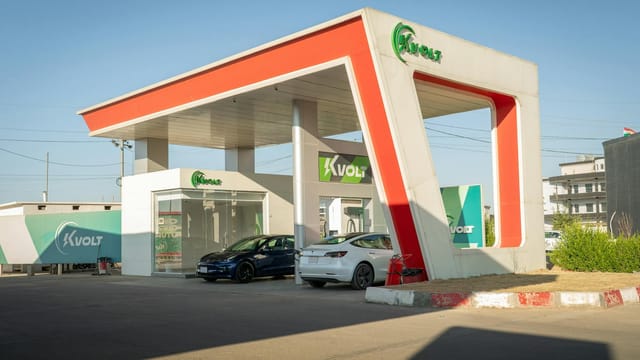
Powering the Future: China’s EV Charging Network Hits 21 Million Milestone
China's EV charging infrastructure grew nearly 47% year-on-year to reach 21.48 million units by March 2026, driven largely by a 53.5% surge in private residential chargers. The National Energy Administration data underscores China's lead in building the massive infrastructure required to support its rapid transition to electric mobility.

Justice for the Jilted: Life Sentence in China’s 31-Billion-Yuan Fundraising Scandal
Liu Bian, head of China Strategic Huaxin Group, has been sentenced to life in prison for orchestrating a 31.4 billion yuan illegal fundraising scheme. The Changsha court found that the group defrauded investors through fabricated projects, resulting in over 6.1 billion yuan in unrecovered losses.

East Buy’s Identity Crisis: Mass Talent Exodus Exposes the Perils of Corporate Transformation
East Buy is facing a major internal crisis as four core livestreaming anchors resigned simultaneously, citing an incompatible management style under CEO Sun Jin. The turmoil reflects the company's difficult transition from a personality-led influencer platform to a standardized, product-centric retail giant.
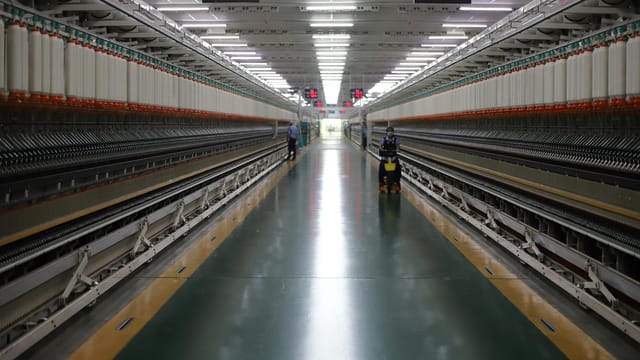
Beyond the Numbers: China’s High-Tech Pivot Drives a 15.5% Surge in Industrial Profits
China's industrial profits grew by 15.5% in Q1 2026, driven by a nearly 50% surge in high-tech manufacturing and a robust recovery in the private sector. Despite these gains, the automotive and construction-related sectors are facing significant declines, highlighting a structural divergence in the economy.
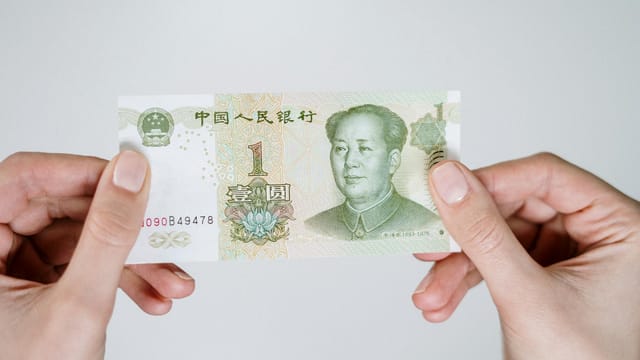
China’s Capital Divergence: Total Outbound Investment Rises as Industrial Outlays Cool
China's total outward direct investment grew by 5.4% in the first quarter of 2026, reaching 3094.5 billion yuan, despite a sharp 9.1% decline in non-financial sectors. This divergence suggests a major shift in Chinese capital away from physical industrial projects toward financial services and liquid asset management.