
Politics News
Latest politics news and updates
Total: 982
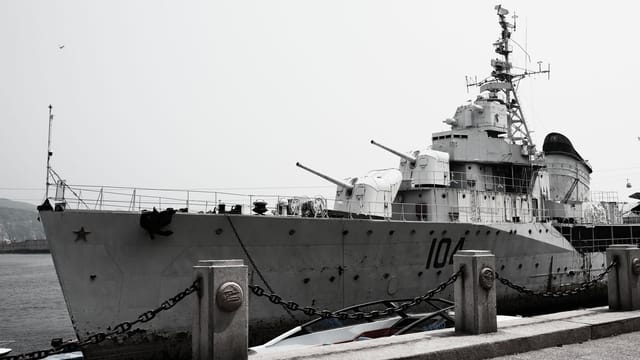
China’s ‘10,000-Ton’ Titans: Type 055 Destroyers Flex Blue-Water Muscle in High-Intensity Drills
The Chinese Navy recently conducted high-intensity, 24-hour combat drills featuring the elite Type 055 destroyer Nanchang and the Type 052D Xining. These exercises were designed to test the fleet's ability to perform complex offensive and defensive operations in a real-world combat simulation.
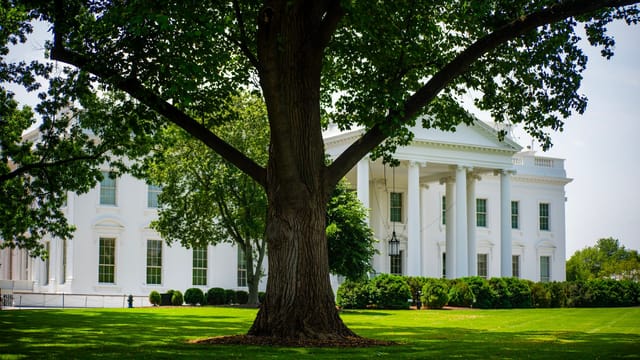
Trump’s High-Stakes Gambit: A Two-Stage Roadmap for US-Iran Detente
President Trump has announced the imminent disclosure of a new agreement with Iran, emphasizing a 'verbatim' reveal to ensure accuracy. The deal follows a two-stage roadmap starting June 19 in Switzerland, focusing first on regional stability and asset unfreezing before addressing nuclear proliferation and sanctions.
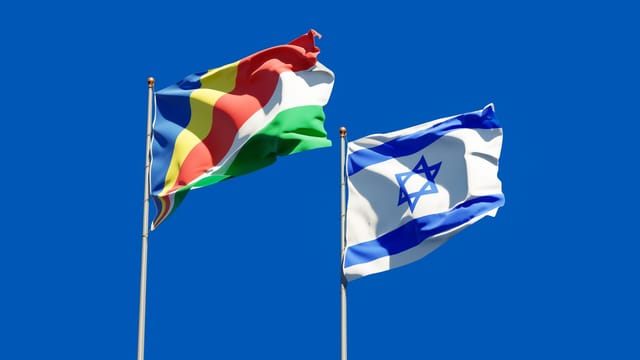
Netanyahu’s Defiance: Sabotaging Diplomacy to Anchor American Support
Prime Minister Netanyahu has openly challenged a pending U.S.-Iran peace deal by launching airstrikes on Beirut and refusing to withdraw from southern Lebanon. This strategic defiance highlights a growing rift between Israel and the Trump administration, as Netanyahu attempts to force continued American involvement in the region through calculated escalation.
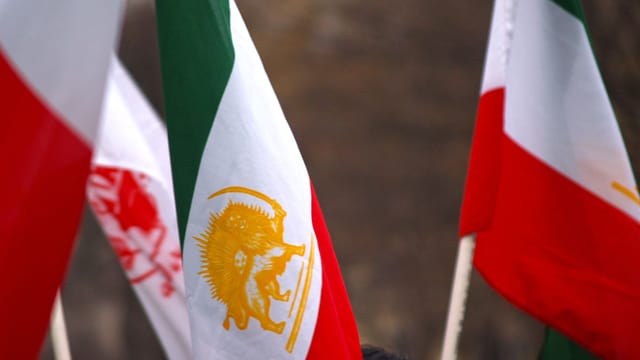
A Fragile Detente in the Gulf: Navigating the Rumors of a US-Iran Accord
A reported diplomatic breakthrough between the U.S. and Iran suggests a potential reopening of the Strait of Hormuz driven by mutual economic exhaustion. While mediated by Pakistan, the deal faces significant hurdles from domestic hardliners and excluded regional allies like Israel.
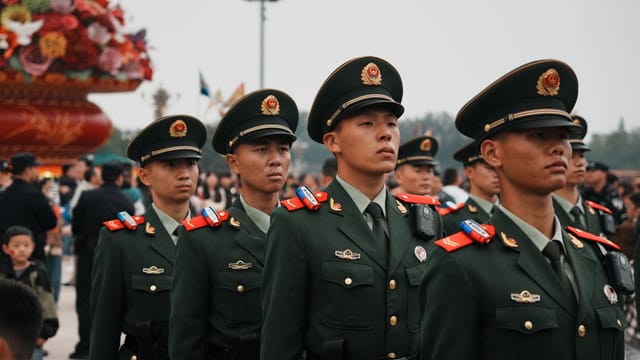
The Homegrown Voice: China’s Defense Ministry Unveils New Spokesman in Shift Toward Media Professionalism
Senior Colonel Chen Xi has debuted as the 10th spokesperson for China’s Ministry of National Defense, marking the first time a spokesperson has been promoted from within the ministry’s specialized media team. This move restores the MND’s three-person rotation and underscores Beijing’s commitment to a more professionalized and proactive military diplomacy.
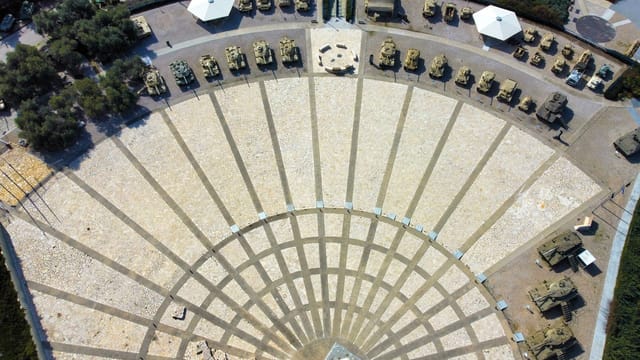
The Shroud of Paris: Israel’s Defense Giants Silenced at Eurosatory
France has effectively neutralized the Israeli presence at the Eurosatory defense exhibition by covering booths with curtains following a government ban. The move reflects deepening diplomatic tensions over the conflict in Gaza and signals a shift toward using major industrial forums for political leverage.
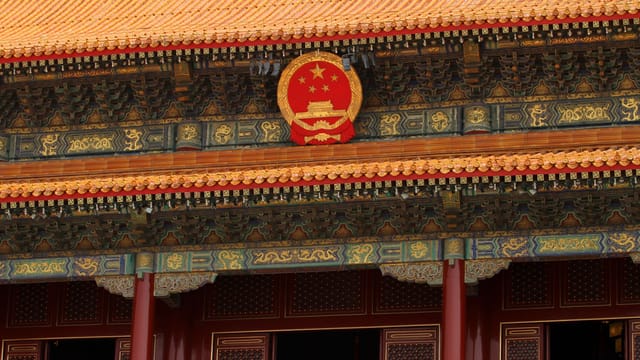
The Mandate of the Masses: Beijing Revisits the Military Miracles That Defined the Revolution
Beijing is revitalizing the history of the Three Major Campaigns to emphasize that the CCP's 1949 victory was a triumph of popular support over military hardware. By highlighting the role of civilian mobilization, the current leadership seeks to reinforce the 'Mass Line' as the essential strategy for modern governance and national survival.

The Mandate of the Masses: Why Beijing Still Fights the Civil War in the Modern Era
President Xi Jinping’s recent visit to the Pingjin Campaign Memorial Hall underscores the CCP’s strategy of using Civil War history to reinforce modern political legitimacy. By emphasizing 'People’s War' logistics over military hardware, the party frames its historical victory and current rule as the result of an unbreakable bond with the masses.

Guns vs. Butter: Protests in Tokyo Signal Domestic Frictions Over Takaichi’s Hawkish Turn
Mass protests erupted in Tokyo against Prime Minister Sanae Takaichi’s military expansion policies and the revision of Japan’s key security documents. Demonstrators linked the increase in defense spending to rising domestic costs of living and expressed fears over the erosion of pacifism and free speech.
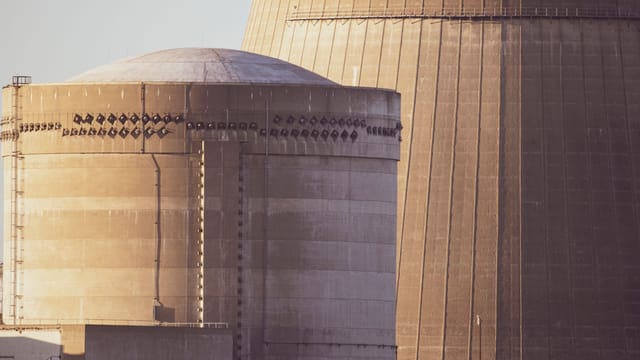
Tehran’s Strategic Pivot: Nuclear Ambition Recasts as Defense in Staged MOU with Washington
Iran has proposed a five-phase memorandum of understanding with the U.S. that prioritizes immediate security guarantees and economic relief while delaying nuclear talks to later stages. The plan reflects a significant shift in Tehran's strategy, viewing nuclear capabilities as a long-term necessity rather than an immediate diplomatic asset.
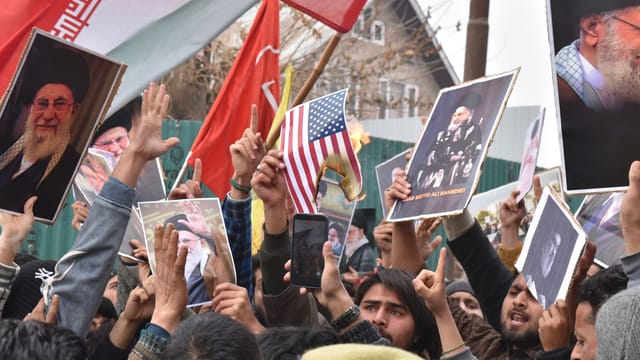
Tehran Rebuffs Trump: Why Iran Refuses to Dance to Washington’s Deadline
Iran has flatly denied Donald Trump’s claim of an imminent bilateral agreement, asserting that it will not adhere to a timeline dictated by Washington. Despite active mediation by Qatari officials, Tehran remains adamant that substantial terms must be fully met and trust restored before any formal signing occurs.
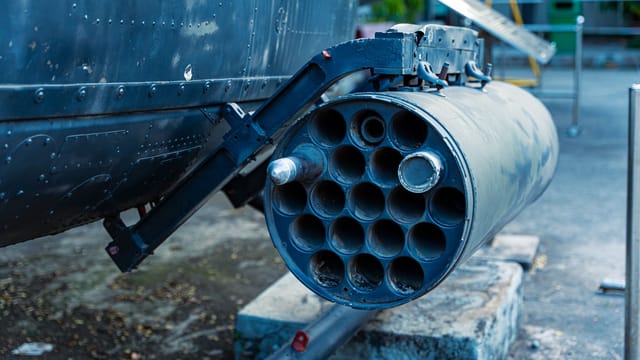
Cracks in the Shield: Iran’s Missile Success in Jordan Signals a Shift in Middle Eastern Deterrence
Recent Iranian missile strikes on the Muwaffaq Salti Air Base in Jordan have exposed significant vulnerabilities in the U.S. Patriot and THAAD defense systems. By successfully neutralizing critical TPY-2 radar units and utilizing maneuvering warhead technology, Tehran has demonstrated an ability to penetrate high-value air defenses in the region.