
Politics News
Latest politics news and updates
Total: 982

Trump’s 'Oil Peace': Why Economic Pragmatism Triumphed Over Escalation in Iran
President Trump defended his recent diplomatic agreement with Iran, claiming it was necessary to prevent a global recession caused by a potential closure of the Strait of Hormuz. While boasting of military success, the administration pivoted toward a memorandum of understanding to ensure the stability of global oil markets.
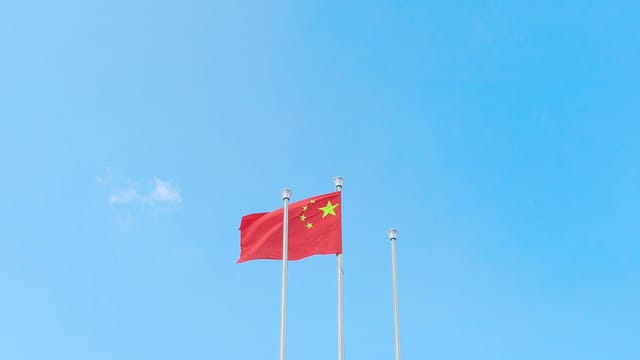
Bridging the Silicon Divide: China Proposes AI as the New Frontier for U.S. Cooperation
Ambassador Xie Feng urged the U.S. business community to lead a shift toward AI cooperation, warning against a technological 'Star Wars' or a new 'Iron Curtain.' He proposed that AI should be a shared frontier for innovation rather than a zero-sum geopolitical battlefield.
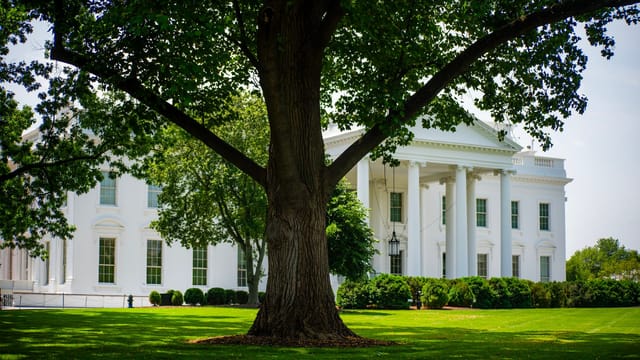
Fortress America: A Thwarted White House Plot and the Fragility of the Second Trump Era
FBI Director Kash Patel revealed a sophisticated, three-stage terrorist plot targeting the White House during the 250th-anniversary celebrations of the United States. The failed attack, which intended to use explosive drones and mass shootings to 'purge' the American elite, underscores the deep-seated societal divisions and the persistent threat of domestic extremism in a hyper-polarized America.
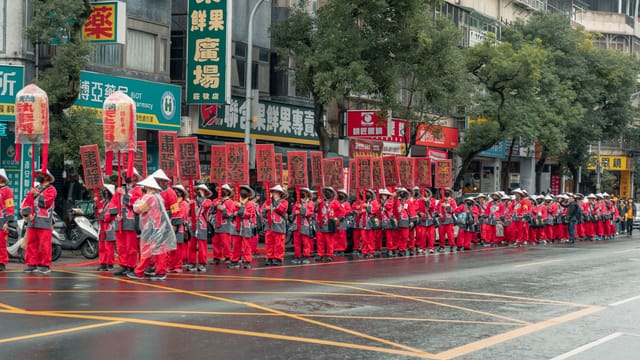
The Scholar-Revolutionary's Final Stand: Assessing the Legacy of Qu Qiubai
This report examines the historical significance of Qu Qiubai’s 1935 capture by Nationalist forces, a pivotal moment in the CPC's early history. It explores how Qu’s intellectual legacy and martyrdom are utilized in modern Chinese media to reinforce state legitimacy and historical continuity.
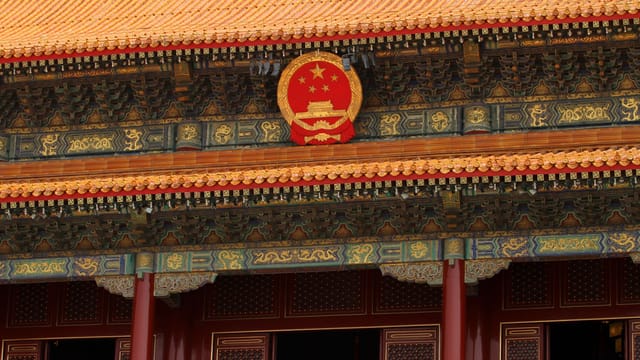
The Scholar-Martyr: Recalling Qu Qiubai and the Foundational Sacrifices of the Chinese Communist Party
This article examines the historical significance of Qu Qiubai’s 1935 capture by Kuomintang forces, highlighting his role as a scholar-revolutionary and the ongoing importance of his legacy in the CCP's narrative of ideological martyrdom.
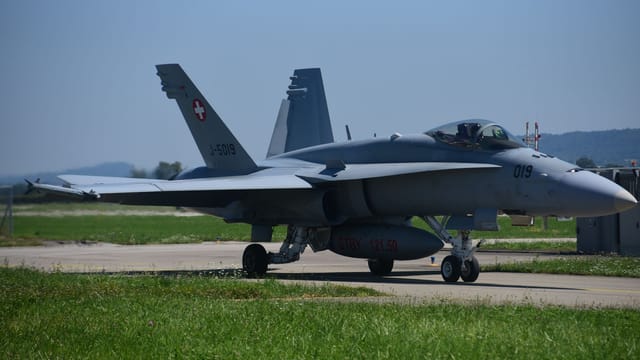
A Strategic Mosaic: Why Indonesia is Doubling Its Bet on Chinese Fighter Jets
Indonesia is reportedly planning to double its acquisition of Chinese J-10CE fighter jets as part of a broader strategy to diversify its air force. By mixing Chinese hardware with French and American jets, Jakarta seeks to build a cost-effective, large-scale fleet while maintaining a non-aligned geopolitical stance.

A Fractured Front: Netanyahu’s Beirut Strike Strains Trump’s Grand Bargain with Tehran
A targeted Israeli strike in Beirut on Donald Trump’s 80th birthday nearly collapsed a historic US-Iran peace deal, highlighting a growing rift between Washington’s diplomatic goals and Israel’s security imperatives. Despite the friction, the US secured the deal by promising an end to Iranian blockades, leading to the reopening of the Strait of Hormuz.
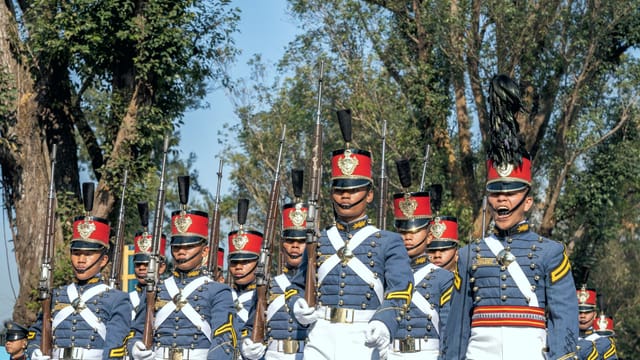
The Vanguard’s Compass: How the Red 25th Army’s Legacy Shapes China’s Modern Strategic Identity
The Red 25th Army’s historical breakout and their role as the Long March’s vanguard are being highlighted to reinforce ideological loyalty within the Chinese military. This commemoration emphasizes the strategic importance of Northern Shaanxi and the enduring relevance of revolutionary history to modern geopolitical challenges.

The Mega-City Sprint: Five Chinese Hubs Duel for Demographic Preeminence
Five prominent Chinese cities are competing to reach the 10-million population milestone by 2030 to secure 'mega-city' status and infrastructure funding. As national birth rates decline, these hubs are increasingly reliant on aggressive migration policies and 'talent wars' to meet their demographic targets.

Dangerous Lexicon: Japan and China Swap Labels as Security Channels Freeze
Japan has officially labeled China an 'unprecedented strategic challenge' in its latest defense draft, prompting Beijing to retaliate by calling Japan the 'true threat maker.' The breakdown of essential communication hotlines suggests a dangerous new phase in bilateral relations where military posturing has replaced diplomatic dialogue.

Trump’s Persian Gambit: A High-Stakes Blueprint for a New Middle East
The United States and Iran have signed a landmark Memorandum of Understanding aimed at ending military hostilities and resolving the nuclear standoff through a $300 billion reconstruction plan and total sanctions relief. The deal includes a 60-day negotiation window and requires Iran to dilute its enriched uranium while the U.S. restores Iranian oil access to global markets.

Breaking the Decades-Long Chill: A New Diplomatic Architecture for the US and Iran
The U.S. and Iranian presidents have signed a historic Memorandum of Understanding, signaling a major shift toward diplomatic normalization. This agreement aims to move beyond decades of hostility by creating a framework for regional stability and economic reintegration.