
Science News
Latest science news and updates
Total: 154

China’s Oncology Vanguard: Biotech Innovations Take Center Stage at ASCO 2026
Chinese biotech firms and researchers have achieved a record-breaking presence at the 2026 ASCO Annual Meeting, with 95 abstracts selected for major sessions. Led by STAR Market innovators like BeiGene and Biokin, this surge reflects China's transition from a generic-drug manufacturer to a global leader in high-impact oncology research.

Beijing Draws a Line: New Ethical Guardrails for China’s Genomic Ambitions
China's Ministry of Science and Technology has introduced new ethical guidelines to regulate human genetic data research, emphasizing privacy, informed consent, and stratified data protection. The move aims to normalize China's biotech sector and protect sensitive biological assets while aligning with global ethical standards.

Codifying the Code: China Issues New Ethical Framework for Genomic Research
China's Ministry of Science and Technology has introduced new ethical guidelines for human genetic data research, defining the scope of regulated data and emphasizing participant protection. The move aims to standardize the country's biotechnology sector while aligning with national security and data sovereignty objectives.
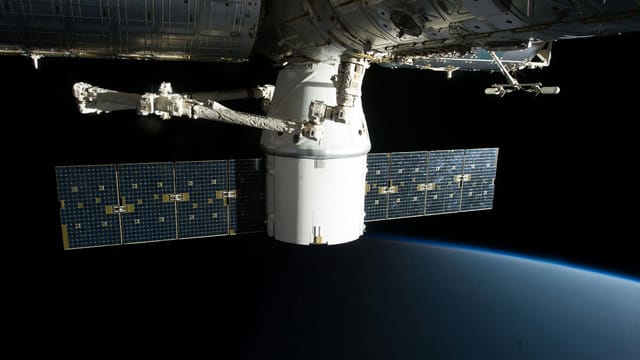
One Orbit, Two Systems: China Launches Shenzhou-23 with First Hong Kong Astronaut
China has successfully launched the Shenzhou-23 mission, marking its eighth crew handover on the Tiangong space station. The mission is historically significant for featuring the first astronaut from Hong Kong, signaling a deeper integration of the city’s technical elite into national strategic programs.
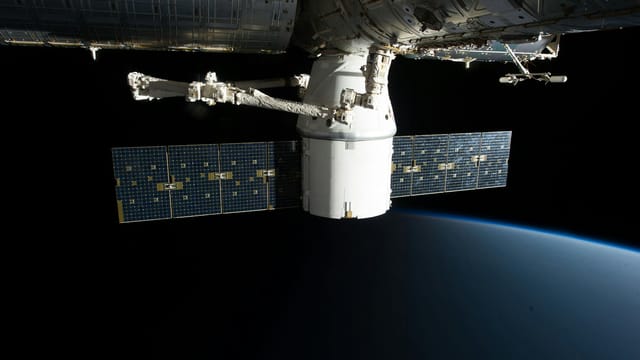
Celestial Integration: China’s Shenzhou-23 Mission Signals a New Era for the Greater Bay Area
China successfully launched the Shenzhou-23 mission to its Tiangong Space Station, featuring a crew that includes the first-ever payload specialist from Hong Kong. The mission highlights China's technical maturity and its strategic use of the space program to foster national integration between the mainland and the Special Administrative Regions.
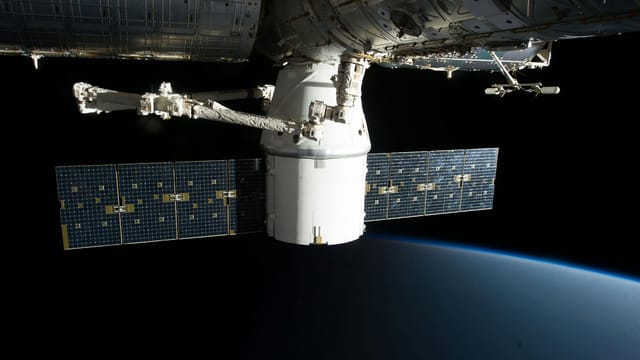
Celestial Integration: Shenzhou-23 Launch Marks a New Chapter for China’s Space Program
The successful launch of Shenzhou-23 on May 24, 2026, marks a historic milestone for China as it includes the first astronaut from Hong Kong. This mission reinforces the operational stability of the Tiangong Space Station and serves as a powerful symbol of national unity and technological progress.
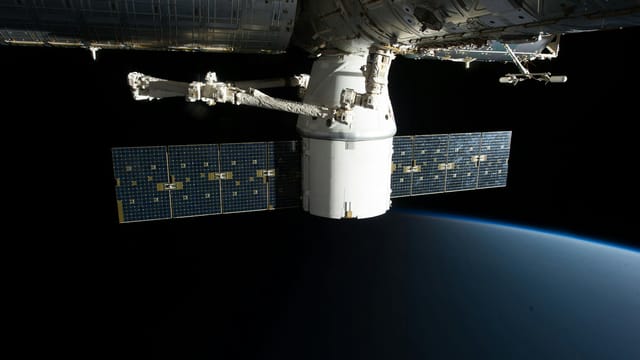
Celestial Integration: Hong Kong’s First Astronaut Arrives at Tiangong as China Normalizes Orbital Operations
China's Shenzhou-23 spacecraft successfully docked with the Tiangong space station on May 25, 2026, marking the arrival of the first Hong Kong-born astronaut in orbit. The mission underscores the operational maturity of China’s space program and its strategic use of aerospace achievements to promote national unity.
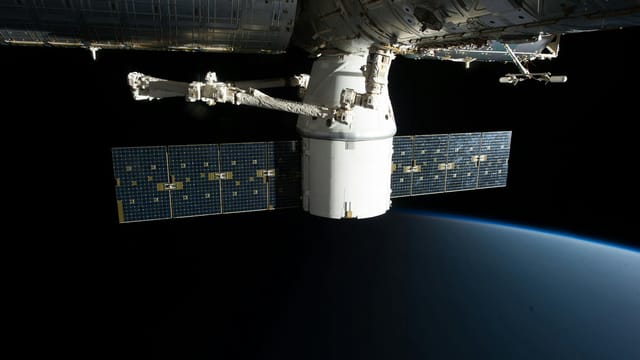
Celestial Integration: China Sends First Hong Kong Astronaut to Space Station in Shenzhou-23 Mission
China has launched the Shenzhou-23 manned mission to its Tiangong space station, featuring the historic inclusion of the first astronaut from Hong Kong. The mission reinforces Beijing's permanent presence in low-Earth orbit and serves as a potent symbol of national integration and technological self-reliance.
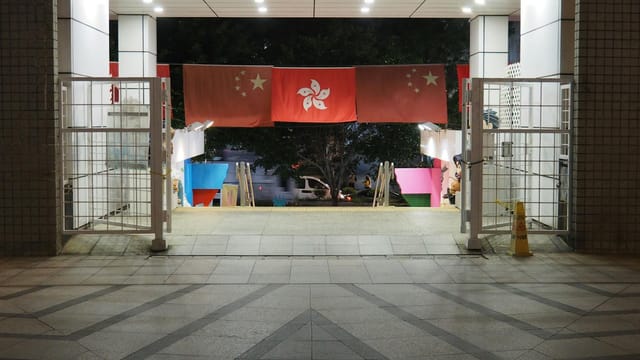
Hong Kong Reaches for the Stars: Shenzhou-23 and China’s Expanding Orbit
China is set to launch the Shenzhou-23 mission on May 24, featuring the historic inclusion of Hong Kong’s first astronaut. The mission highlights the technical maturity of the Tiangong space station and serves as a significant political symbol of national integration.

From Victoria Harbour to the Heavens: China’s Shenzhou-23 Signals a New Era of National Integration
China has announced the Shenzhou-23 crew, featuring the historic inclusion of Hong Kong's first astronaut, Lai Ka-ying. Led by veteran commander Zhu Yangzhu, the mission emphasizes both national unity and a high level of scientific expertise for the Tiangong Space Station.

A Year Above: China’s Shenzhou-23 Mission Signals a Strategic Leap in Space Endurance and Integration
China has announced the Shenzhou-23 crew, featuring the first astronaut from Hong Kong and the program's first one-year orbital mission. The crew, led by veteran Zhu Yangzhu, represents a strategic merger of China's third and fourth astronaut generations to test long-term space endurance.
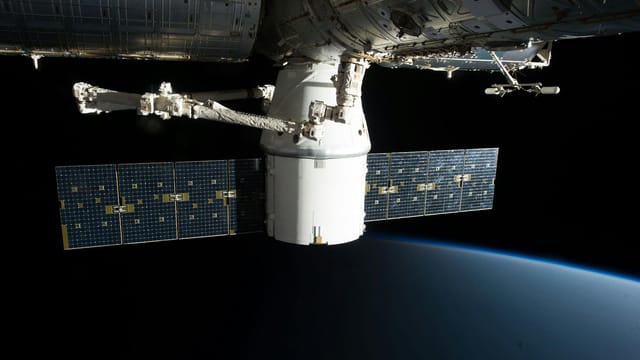
A New Horizon for Tiangong: Shenzhou-23 Crew Signals a Political and Technical Milestone
The Shenzhou-23 mission features a diverse crew including the first-ever astronaut from Hong Kong, signaling a shift toward inclusive national identity and technical specialization. Led by veteran commander Zhu Yangzhu, the mission emphasizes China's commitment to transforming the Tiangong space station into a long-term scientific hub.