
Technology News
Latest technology news and updates
Total: 2542

The High-Voltage Bottleneck: Why the AI Revolution is Breaking the US Power Grid
The rapid expansion of AI data centers is overwhelming the U.S. electrical grid, prompting federal regulators to prioritize interconnection speed over environmental reviews. With data center energy consumption projected to reach 20% of total U.S. demand by 2035, the country faces a critical shortage of power infrastructure.

Sichuan's Space Ambitions: Pidu District and the Rise of Localized Commercial Space Clusters
Chengdu's Pidu District successfully launched its first locally manufactured satellite group for the Weili Space LEO constellation. This milestone highlights the district's transition into a commercial space hub, integrating satellite technology with AI, autonomous transport, and the low-altitude economy.

Digital Fiction Giant Jinjiang Literature City Resolves iOS Payment Disruption
Jinjiang Literature City resolved a five-hour technical glitch that prevented iOS users from receiving account top-ups. The platform issued a formal apology and confirmed that all transactions were successfully reconciled within ten hours of the initial incident.

The Long Tail Wagging the Dog: Douyin’s 618 Results Signal a Shift in China’s E-commerce Power Balance
Douyin's 2026 618 festival results reveal a decentralized growth pattern where mid-to-small influencers now drive 80% of sales. The data shows over 120,000 merchants doubled their turnover, signaling a move away from reliance on mega-influencers toward a content-rich, broad-based ecosystem.

Chasing the AI Tigers: Why China’s LLMs May Reach Western Parity Sooner Than Predicted
Elon Musk predicts that Chinese AI models will catch up to Anthropic by early next year, though Chinese leaders like Zhipu AI claim the milestone will be reached even sooner. This competition highlights China's rapid progress in large language models despite ongoing international hardware sanctions.
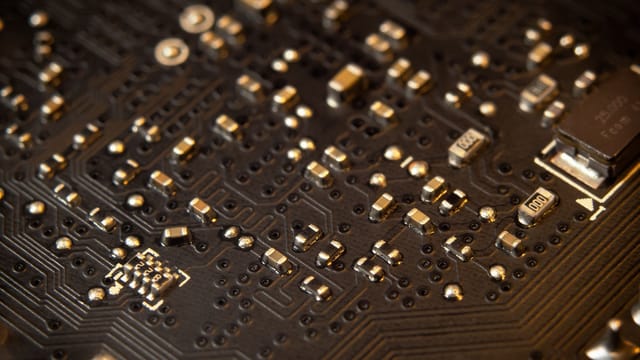
The Silicon Siege: ASML Rebuts US Allegations of Export Control Violations
ASML has vigorously denied allegations from US Commerce Secretary Howard Lutnick regarding the unauthorized export of EUV lithography systems to China. The dispute highlights the escalating friction between Washington and its European allies over the enforcement of semiconductor export controls.

DeepSeek’s Vision Quest: Multimodal Ambitions Meet the ‘Founder Recognition’ Glitch
DeepSeek has launched its first multimodal image recognition feature, marking a significant upgrade to its AI ecosystem. While the tool currently suffers from humorous identification glitches involving its founder, a recent $7 billion funding round and tight integration with Huawei’s domestic chips solidify its position as a top-tier contender in China’s AI landscape.

Clipping the Wings of the 'Next Jia Yueting': Why Dreame Tech is Abandoning Its Galactic Ambitions
Dreame Tech founder Yu Hao is abandoning his 'all-encompassing' business model and refocusing on core robotics after regulatory pressure and a crackdown on local government investment funds. The shift marks the end of the high-risk 'ecosystem expansion' strategy that has characterized Chinese tech startups for a decade.
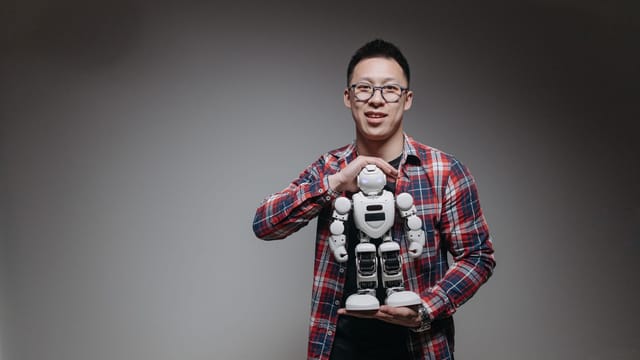
Beijing Positions Itself as a Global Nexus for Embodied AI
Beijing Mayor Yin Yong has directed the city to become a global leader in 'embodied AI' by integrating advanced software with physical robotics. The plan focuses on moving technology from laboratories to mass production while establishing Beijing as a center for international standards and industrial innovation.
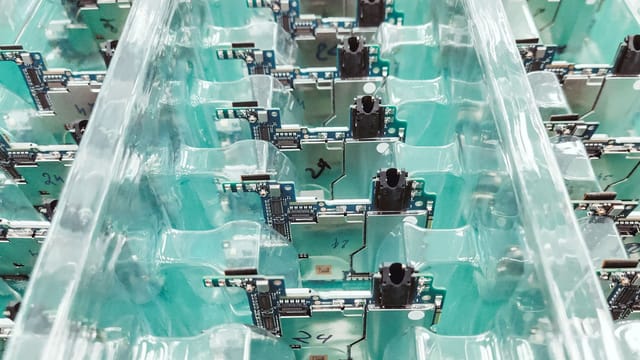
Domestic Toolmaking Gains Ground as SJ Semi Expands 12-Inch Equipment Hub in Wuxi
Shengjisheng (SJ Semi) has signed a deal to build a 6,000-square-meter semiconductor equipment manufacturing center in Wuxi's Huishan High-tech Zone. The facility will produce advanced 12-inch thin-film deposition tools, a move aimed at bolstering China's domestic semiconductor manufacturing supply chain.
China’s Silicon Shield: Wuxi’s Newest Semiconductor Project Targets the Equipment Bottleneck
Shengjisheng has signed a deal to establish a 12-inch semiconductor equipment manufacturing and incubation center in Wuxi's Huishan High-tech Zone. The project focuses on critical thin-film deposition technology, aiming to bolster China's domestic chip-making supply chain with an initial annual output target of 150 million RMB.
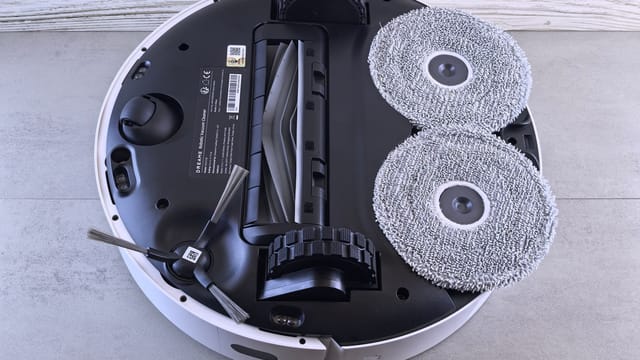
Cleaning House: Dreame’s Strategic Pivot from Unchecked Expansion to Core Robotics
Dreame Technology is undergoing a major restructuring to consolidate its sprawling incubator-style projects into four focused business groups. The move signals a shift away from high-risk ventures like smartphones and cars to prioritize its core competencies in smart cleaning and yard robotics.