
Technology News
Latest technology news and updates
Total: 2563

The Human Element in the Machine Age: Why Li Auto’s Founder is Betting Against AI-Driven Layoffs
Li Auto CEO Li Xiang has voiced strong opposition to AI-driven layoffs, arguing that traditional performance metrics are likely to result in the loss of future-ready talent. He maintains that natural attrition is a more effective filter for the AI era and predicts that autonomous technology will actually increase the demand for private car ownership.

Algorithms in the Crosshairs: China’s New Campaign Against Market Involution
China's market regulator has launched a new enforcement campaign targeting algorithmic abuses and 'involutionary' competition in the platform economy. The initiative aims to protect trade secrets and enforce transparency in digital market rules to ensure a more sustainable and fair competitive environment.
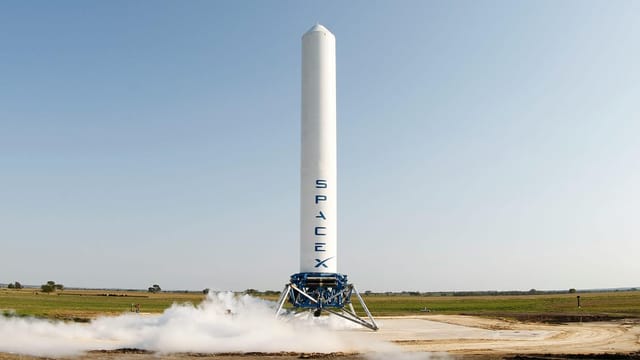
The End of the Bezos Bankroll: Blue Origin Seeks Outside Capital to Rival SpaceX
Jeff Bezos’s Blue Origin is reportedly seeking its first external funding round to support an ambitious launch schedule for its New Glenn rocket. The move signals a transition from a founder-funded model to a traditional corporate structure, aiming to capitalize on the high investor valuations currently surrounding the commercial space industry.
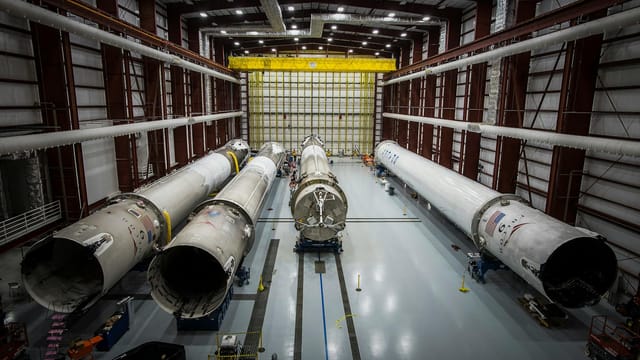
Blue Origin Breaks the Billionaire Bubble: Why Bezos Is Finally Opening the Doors to Outside Investors
Blue Origin is reportedly seeking external investment for the first time to fund a surge in launch frequency. Following the success of the New Glenn rocket, the move signals a shift from a Jeff Bezos-funded project to a commercially competitive aerospace giant.

Alibaba’s AI Pivot: From Incubation to the Harvest Season
Alibaba Group has reported that AI-related products now exceed 30% of its cloud revenue, marking a successful shift into a commercialized return cycle. While group revenue grew 3% overall, the acceleration in cloud and AI sectors signals a structural transformation of the tech giant's business model.

Tencent’s AI Pivot: Balancing Record Revenues with High-Stakes Tech Transformation
Tencent reported a 9% rise in Q1 revenue to 196.46 billion yuan, bolstered by a massive internal pivot toward generative AI. While the company is reinvesting heavily into its Hunyuan model, its core businesses continue to generate the robust cash flow necessary to fund long-term technological dominance.
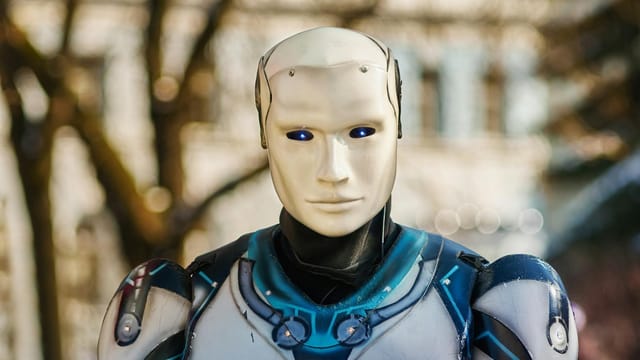
China’s Gen Z Technocrats: The Post-95 Wave Redefining Global Deep Tech
A new generation of Chinese entrepreneurs born after 1995 is shifting the country's tech focus from consumer internet apps to 'hard tech' such as humanoid robotics, AI, and aerospace. Backed by billions in venture capital and boasting elite academic backgrounds, these young CEOs are building globally-oriented companies that are redefining the competitive landscape for international giants like Tesla and Meta.
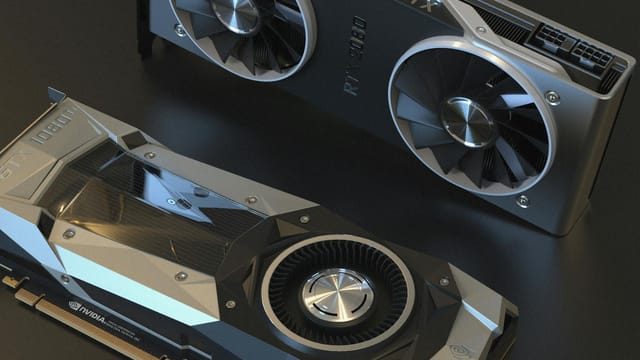
A Seat at the Table: Jensen Huang’s Last-Minute Inclusion in the Trump-China Summit
NVIDIA CEO Jensen Huang joined President Trump's China delegation at the last minute following a personal invitation from the President. His inclusion on the trip signals a potential shift in how the administration handles high-tech trade and AI export controls in the bilateral relationship.

Taming the Black Box: China’s Shift from AI Search Manipulation to Brand Governance
China is transitioning from crude AI search manipulation to a structured 'Brand Cognition Governance' framework following a national crackdown on 'AI poisoning.' New industry standards emphasize the creation of machine-readable brand assets to ensure LLMs provide accurate, trustworthy, and stable recommendations to consumers.
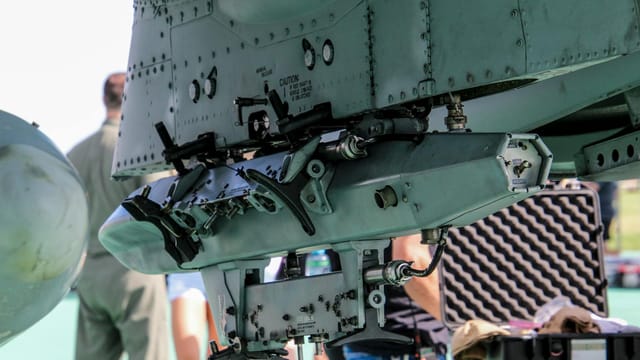
Economic Warfare in the Skies: The MQ-9 Reaper’s Evolution into a Drone Hunter
The U.S. Air Force has successfully tested the MQ-9A Reaper using laser-guided APKWS rockets for air-to-air drone interception. This shift aims to solve the economic challenge of modern warfare by using low-cost munitions to counter the global proliferation of suicide drones.
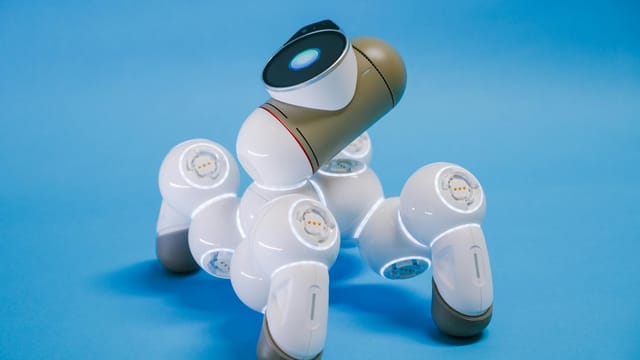
The Mecha Gambit: Unitree Robotics Bridges Sci-Fi and the STAR Market
Unitree Robotics has launched the GD01, the world's first mass-produced manned mecha, priced at $650,000. This milestone coincides with the company's IPO push on the Shanghai STAR Market, highlighting a massive shift in revenue toward humanoid and heavy legged-robotics.
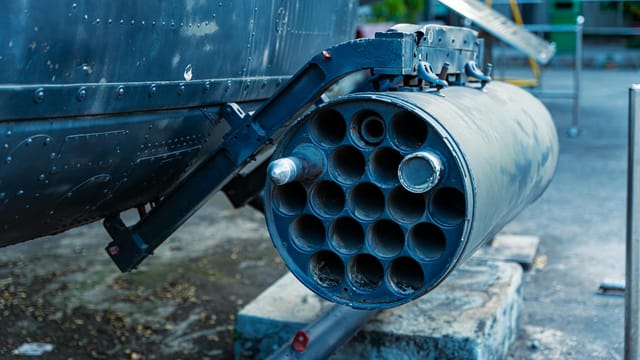
Closing the Shield: China’s New Naval Defense System Signals Shift Toward High-Intensity Maritime Attrition
China has completed testing of a new naval terminal defense system designed to counter hypersonic missiles and drone swarms. The system focuses on multi-layered integration and cost-effective interception, preparing the PLA Navy for high-intensity, asymmetric maritime conflict.