
Technology News
Latest technology news and updates
Total: 2563

Alibaba’s AI Gambit: Turning the “Manufacturing” of Intelligence into a Multi-Billion Dollar Engine
Alibaba has officially entered a profitable phase for its AI investments, reporting an annualized recurring revenue of 35.8 billion RMB for AI products. CEO Eddie Wu signaled a massive infrastructure push, suggesting capital expenditures could exceed $52 billion over three years to build the 'factories' of the AI era.
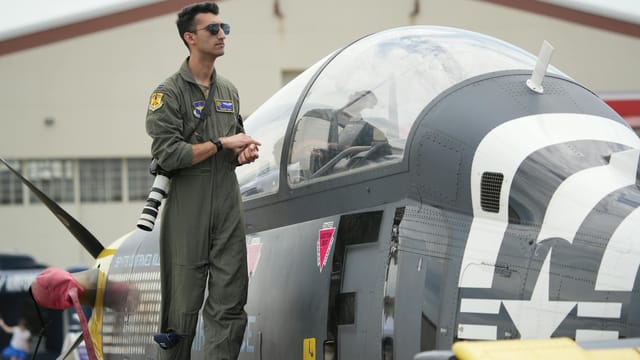
Silicon Valley’s New Wingman: What Jensen Huang’s Air Force One Cameo Means for the Global AI Race
NVIDIA CEO Jensen Huang’s last-minute invitation to join the President on Air Force One marks a historic alignment between the AI industry and U.S. national security policy. This move signals a deeper fusion of corporate tech leadership and government strategy amid the escalating global semiconductor competition.
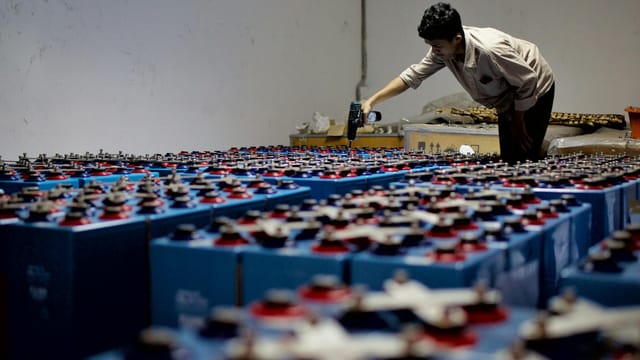
Solving the Lithium Metal Puzzle: How Nanoscale Insights Are Reshaping the Battery Frontier
Researchers at KAIST have successfully observed the nanoscale degradation of lithium metal batteries, identifying the root cause of performance failure. This discovery provides a critical pathway toward commercializing next-generation batteries with significantly higher energy densities than current lithium-ion technology.
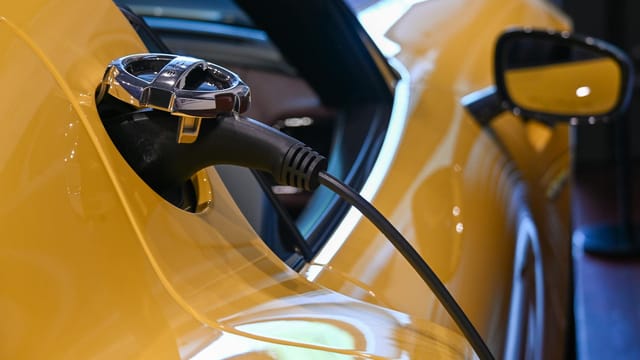
AI-Driven 'Smart Charging' Could Boost EV Battery Lifespan by 23% Without Increasing Wait Times
Researchers have developed an AI-powered charging strategy that increases EV battery longevity by nearly 23% by monitoring cell health in real-time. This innovation mitigates the damaging effects of fast charging without increasing the time drivers spend at charging stations.

The AI Brain Drain and the Pivot to Profit: China’s Tech Giants Enter a New Epoch
A wave of high-profile talent departures from ByteDance to the startup world coincides with a strategic shift at Alibaba and JD.com, where AI is moving from a supplementary feature to a core revenue driver. As the 6.18 shopping festival looms, the competition among China’s tech titans is evolving from a battle over subsidies to a contest of generative model sophistication.

Microsoft’s Pivot: Scouting for a ‘Post-OpenAI’ Future
Microsoft is actively scouting AI startups and talent to reduce its reliance on OpenAI and develop its own proprietary frontier models by late 2025. This strategic shift follows a period of regulatory caution, illustrated by the abandoned acquisition of the code-generation startup Cursor.
The New Diplomatic Arsenal: What Jensen Huang’s Seat on Air Force One Means for Global Power
The last-minute inclusion of Nvidia CEO Jensen Huang on Air Force One signals a deepening alliance between the US government and the AI industry. This move highlights how semiconductors and artificial intelligence have become central pillars of American national security and foreign policy.
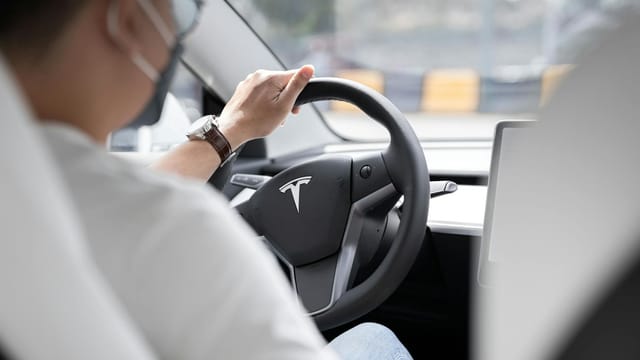
Xiaomi’s Open-Source Gambit: Lei Jun Challenges Tesla’s AI Hegemony with OneVL
Xiaomi has released and open-sourced its new autonomous driving model, OneVL, marking a major strategic push into vision-language AI for EVs. The move is designed to challenge Tesla's closed-system dominance and establish Xiaomi's architecture as the industry standard for next-generation self-driving technology.
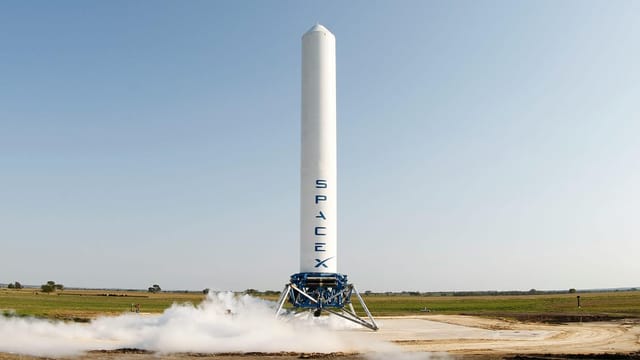
Escape Velocity: Why Jeff Bezos is Finally Opening Blue Origin’s Doors to Outside Capital
Jeff Bezos’ space venture, Blue Origin, is reportedly moving away from its exclusive self-funding model to seek external investment for the first time. This shift signals a strategic escalation in the private space race as the company seeks to scale its orbital launch capabilities and compete more directly with SpaceX.
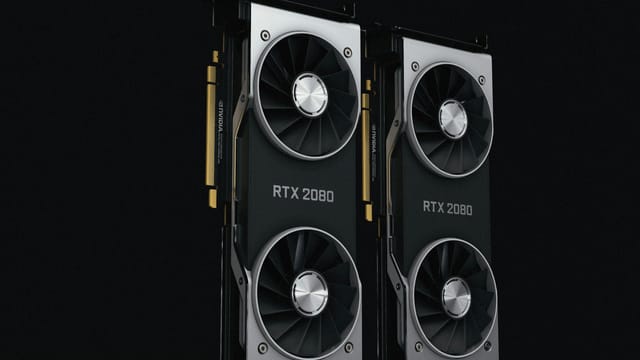
The Search for Superlearners: Nvidia’s Billion-Dollar Bet on the Future of Reinforcement Learning
Nvidia is partnering with Ineffable Intelligence, founded by AlphaGo creator David Silver, to pioneer 'superlearners' that use reinforcement learning to discover new knowledge. This initiative, backed by a $1.1 billion seed round, signals a shift in AI development away from human-data imitation toward autonomous experiential learning supported by Nvidia's next-generation hardware.

Repairing the Leaky Boat: Tencent’s $4 Billion Bet to Reclaim the AI Lead
Tencent reported 9% revenue growth in Q1 2026 while signaling a massive pivot toward AI, underpinned by a 31.9 billion RMB capital expenditure. CEO Pony Ma candidly admitted the firm has been playing catch-up, but emphasized that a restructured research team and a shift toward domestic silicon are stabilizing the company’s position in the global AI race.

Alibaba’s Trillion-Yuan Milestone: The Pivot from Retail Giant to AI Powerhouse
Alibaba has achieved a historic 1 trillion RMB in annual revenue, driven by a 40% surge in cloud commerce and the mass production of its own GPU chips. The results highlight a strategic shift where AI now accounts for 30% of its cloud business, effectively transforming the e-commerce pioneer into a full-stack technology infrastructure leader.