
World News
Latest world news and updates
Total: 3396
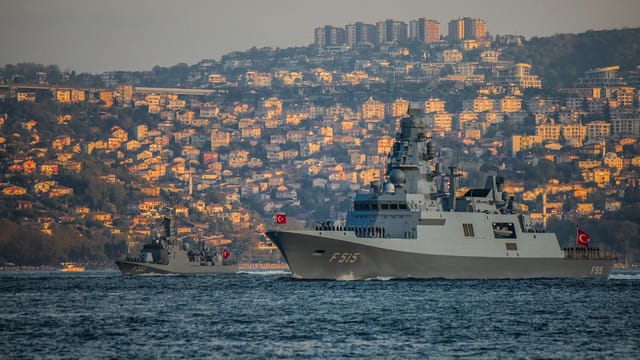
Berlin’s Maritime Pivot: Germany Eyes Strategic Naval Role in the Strait of Hormuz
Germany is finalizing plans to deploy naval assets to the Strait of Hormuz to provide security and reconnaissance, pending parliamentary approval and US involvement. This strategic move, coordinated with European allies in Paris, signals Berlin's increasing willingness to use its military to protect vital global trade routes.

Soft Power Amidst Siege: The Rise of Mandarin in Yemen’s Conflict Zones
Despite ongoing conflict, Yemen is seeing a surge in interest in Chinese language and culture, driven by the prospect of future reconstruction and China's growing role as a regional mediator. This cultural diplomacy represents a strategic soft-power play by Beijing in one of the world's most volatile regions.
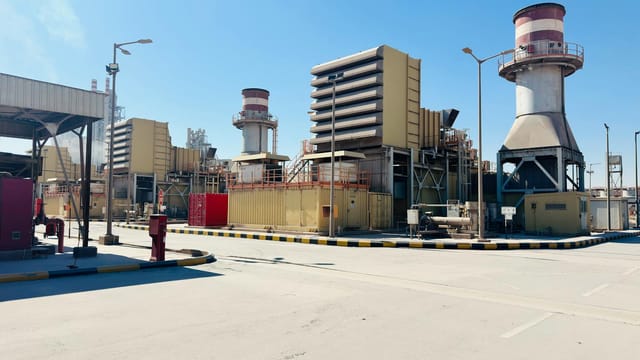
A Nation Set Adrift: Geopolitical Shocks Push Japan’s Fishing Industry to the Brink
Escalating tensions in the Middle East have triggered a severe fuel and material shortage for Japan’s fishing industry, forcing many fleets to drastically reduce their days at sea. With fuel costs up 30% and essential supplies like packaging and paint disappearing, industry leaders are calling for urgent government intervention to prevent a total collapse of the domestic seafood supply chain.
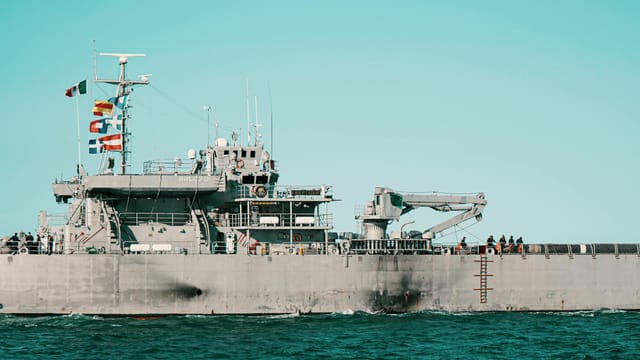
Assertive Command: The PLA’s 20-Hour Standoff Signals a New Era of Maritime Friction
A 20-hour maritime standoff between the PLA Navy and foreign warships highlights China's growing tactical confidence and its strategy of using prolonged shadowing to assert territorial claims. The incident, noted by regional military analysts, demonstrates a shift toward more assertive 'gray zone' operations designed to pressure foreign naval presences in contested waters.
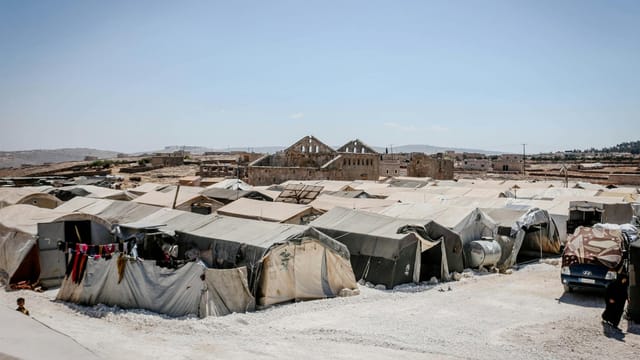
A Triple Threat: The Deepening Economic Aftershocks of the Middle East Conflict
A burgeoning conflict involving the US, Israel, and Iran is triggering a triple shortage in jet fuel, fertilizers, and critical industrial materials like helium and aluminum. These disruptions are poised to cause mass flight cancellations in Europe, significant shifts in global crop production, and potential bottlenecks in the semiconductor and automotive industries.
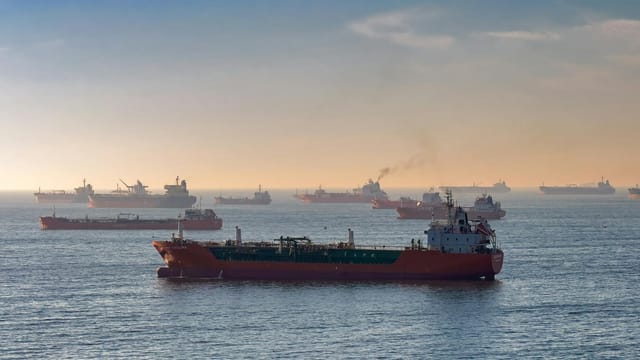
Berlin’s Maritime Pivot: Germany Prepares for Naval Deployment in the Strait of Hormuz
German Defense Minister Boris Pistorius has announced that the German Navy is preparing for potential deployment in the Strait of Hormuz to secure global trade routes. This move reflects Germany's evolving 'Zeitenwende' policy and its increasing willingness to project military power to protect economic and energy interests.
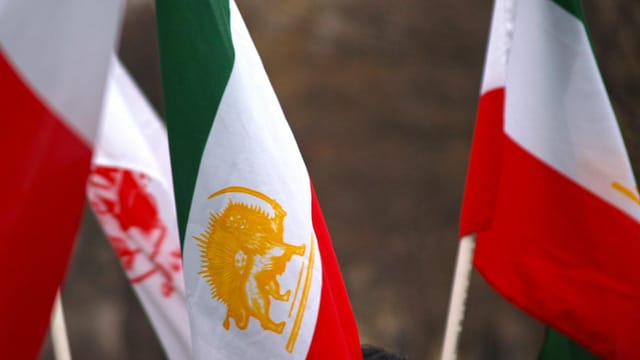
Diplomacy at a Deadlock: Tehran Rebuffs Trump’s Islamabad Overture
Iran has expressed significant doubt regarding its participation in upcoming talks with the United States in Islamabad, citing the ongoing maritime blockade as a primary obstacle. While the Trump administration is moving forward with a delegation led by Vice President J.D. Vance, Tehran remains skeptical of the 'aggressive' U.S. stance.
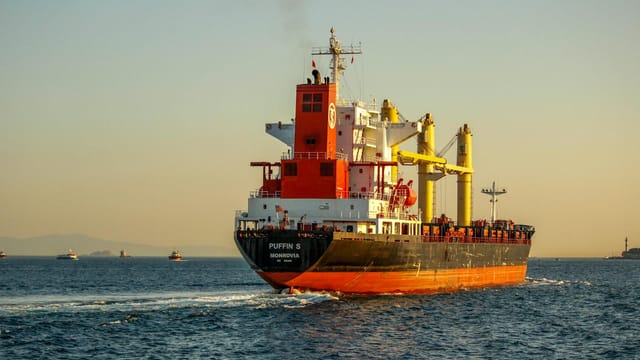
The Hormuz Whiplash: Trump and Tehran’s Dangerous Game of Maritime Chicken
The Strait of Hormuz witnessed a chaotic cycle of opening and closing over 48 hours as conflicting narratives from President Trump and Iranian leadership shattered a brief market rally. The escalation has led to kinetic maritime confrontations and a renewed U.S. threat to seize Iranian vessels globally, leaving the world’s primary oil artery in a state of high-risk uncertainty.
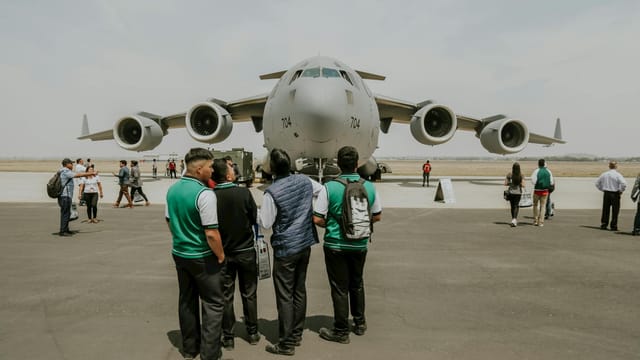
A Quiet Conduit: US Military Flights to Pakistan Hint at Intensifying Backchannel Diplomacy with Tehran
Recent landings of US C-17 transport aircraft at a Pakistani airbase suggest Islamabad is facilitating intensive backchannel negotiations between the United States and Iran. These logistical movements mirror similar flights that preceded high-level talks on April 11, signaling a sustained diplomatic effort.
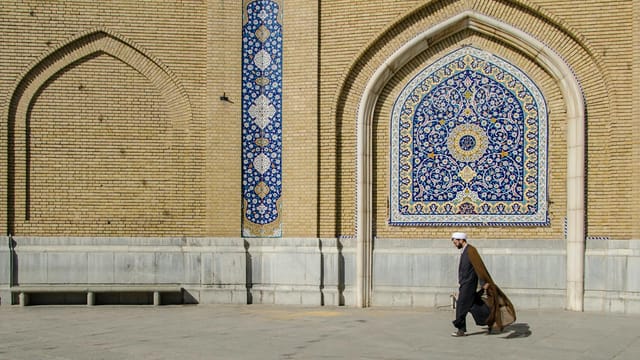
Diplomatic High-Wire Act: Why JD Vance is Joining the Pakistan-Iran Summit
Vice President JD Vance, accompanied by Jared Kushner and Steve Witkoff, will head to Pakistan for critical talks on the Iran issue. The move follows Iranian demands for high-level U.S. representation and reflects a shift in White House strategy despite lingering security concerns regarding presidential proximity.
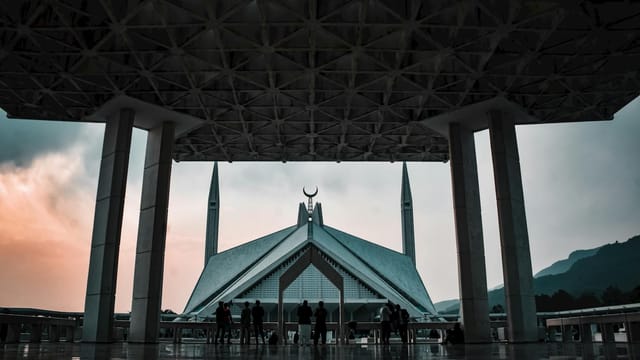
Fortress Islamabad: High-Stakes U.S. Arrival Signals New Diplomatic Intensity
Islamabad has entered a significant security lockdown following the arrival of three U.S. aircraft at Nur Khan Airbase. With major hotels cleared and military presence intensified, the city appears to be preparing for a high-level round of sensitive international negotiations.
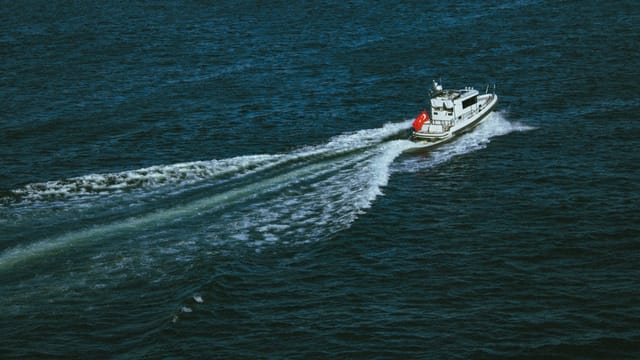
The Strait of Attrition: US-Iran Ceasefire Collapses Amid Threats of Infrastructure War
Tensions between the US and Iran have reached a breaking point as President Trump threatens to destroy Iranian infrastructure following alleged ceasefire violations in the Strait of Hormuz. While the US claims its naval blockade is strangling Iran's economy, Tehran has condemned the move as a war crime and an act of illegal aggression under international law.