
World News
Latest world news and updates
Total: 3423

Conflicting Claims Over Ali Larijani After Strikes on Tehran Signal Dangerous Escalation
Iran’s top security council secretary Ali Larijani posted a handwritten condolence note for sailors killed in a U.S. strike even as Israel publicly claimed it had killed Larijani and begun large‑scale strikes on Tehran infrastructure. The conflicting accounts underscore a perilous fog of information and a possible escalation between Israel, Iran and the United States.

U.S. Counterterrorism Chief Resigns, Saying He Cannot Back a War on Iran
Joe Kent, director of the U.S. National Counterterrorism Center, resigned effective immediately, saying he could not support what he described as a war against Iran driven by external pressures. His public break raises questions about politicization of intelligence, operational continuity, and the domestic and international ramifications of U.S. Middle East policy.
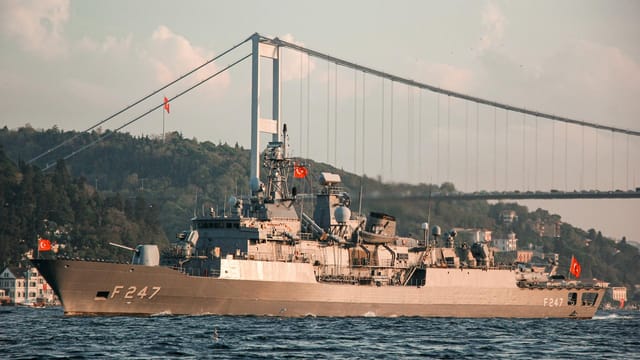
IMO: Naval Escorts in the Strait of Hormuz Are Unsustainable as Oil Markets Strain
The International Maritime Organization has cautioned that naval escorts through the Strait of Hormuz are neither fully protective nor sustainable, stressing the need for broader maritime and humanitarian measures. The warning arrives amid faltering U.S. efforts to muster a coalition for escorts and deepening disruptions to global oil flows, prompting coordinated releases from strategic reserves.

Generations of Service: Veteran Bugler and 76‑Year‑Old Grandmother Mark Emotional Send‑Off for New Recruits
State media circulated images of a Korean War veteran playing a farewell bugle and a 76‑year‑old grandmother handing dumplings to a new recruit at an enlistment ceremony, portraying generational continuity and public support for the military. The vignette serves both as a human interest story and as a deliberate piece of messaging that reinforces domestic legitimacy for China’s defence posture.

Why Iran’s Navy Appears to Have Been Battered — and What It Means for the Strait of Hormuz
U.S. air strikes in March appear to have destroyed or severely damaged a large portion of Iran’s surface fleet, particularly ships above 1,000 tonnes that were in port or at anchor. The losses expose a strategic mismatch in Tehran’s recent push for larger support vessels and drone carriers, and they shift Iran back toward asymmetric tools—mines, small craft and submarines—to threaten the Strait of Hormuz.
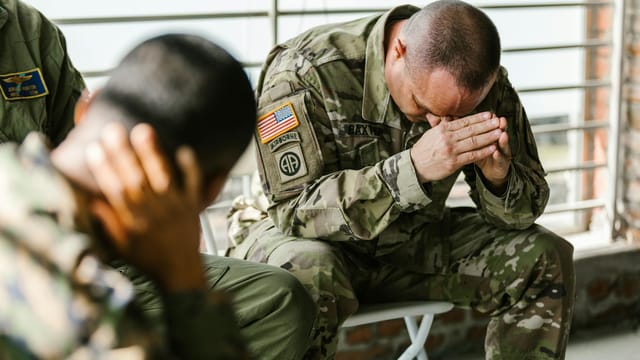
China’s Type 055 Fleet Hits Double Digits as New 10,000‑ton Destroyers Enter Service
China has commissioned its ninth and tenth Type 055 large destroyers, bringing the class to double‑digit strength and demonstrating growing shipbuilding and operational reach. The Dongguan conducted first operational sea training in the East China Sea, underscoring Beijing’s efforts to turn new hulls into sustained, deployable naval capability.

CENTCOM: Over 200 U.S. Troops Hurt Across Seven Middle East States as Fighting with Iran Escalates
CENTCOM reported more than 200 U.S. service members wounded across seven Middle East countries amid a recent round of U.S. and Israeli military operations targeting Iran, with many injuries characterized as traumatic brain injuries and at least ten seriously wounded. A U.S. official earlier reported 13 American fatalities, underscoring the human and strategic cost of the widening confrontation.
US Littoral Combat Ships in Malaysia Highlight a Middle East Mine‑Clearing Gap
Two US littoral combat ships have been sighted in Malaysia while the US shifts forces toward the Middle East, raising questions about available mine‑clearing capacity in CENTCOM’s region. The sighting underscores long‑standing limits in US mine‑countermeasure readiness and the strategic trade‑offs of competing demands across theaters.

EU Says Middle East Fighting ‘Not Our War,’ Rules Out Escort Missions in Strait of Hormuz
The EU’s foreign policy chief said Europe will not treat the Middle Eastern fighting as its war and that member states will not extend their maritime escort operation into the Strait of Hormuz. Brussels prefers diplomatic measures and limited naval reinforcement in existing areas rather than taking on new, riskier missions in a strategic chokepoint.

Trump Says U.S. Doesn’t Need Reluctant Allies as NATO Shuns Hormuz Escort
President Trump said NATO and several U.S. partners declined to join a proposed escort mission through the Strait of Hormuz, declaring the United States no longer needs their help. The episode highlights limits to allied cooperation on Middle East security, risks of U.S. unilateralism, and potential strains on alliance cohesion.

U.S. Counterterrorism Chief Resigns, Saying He Won’t Back a ‘War on Iran’ — A Rare Public Break from Washington’s Security Consensus
Joe Kent, director of the U.S. National Counterterrorism Center, resigned on March 17 saying he could not "in good conscience" support what he called a war on Iran, arguing Tehran did not pose an imminent threat and blaming pressure from Israel and U.S. pro-Israel lobbying. The atypical public break raises immediate questions about intelligence cohesion, domestic political influence on foreign policy, and potential diplomatic fallout.

Experts Warn US Escort Plan for Strait of Hormuz Is Impractical and Risky
Washington's push for allied warships to escort shipping through the Strait of Hormuz has met tepid responses as experts warn such a mission would require large multinational forces, provide only limited capacity restoration, and face varied, hard-to-counter Iranian threats. Analysts say the plan is militarily complex and politically risky, making alternatives such as diplomacy and commercial adjustments more likely responses.