
World News
Latest world news and updates
Total: 3423

U.S. Strikes Iranian Missile Sites Near Strait of Hormuz as Allies Hesitate
U.S. Central Command reported using multiple 5,000‑pound bunker‑busters to strike Iranian missile sites along the Strait of Hormuz, targeting anti‑ship capabilities deemed a threat to international shipping. The strikes were described as causing limited degradation to Iran’s broader missile forces and came as President Trump publicly lamented allied reluctance to join escort or military operations.

Pennsylvania Governor Slams Defence Chief as ‘Toy-Soldier’ in Public Row Over U.S. Strikes on Iran
Pennsylvania Governor Josh Shapiro publicly denounced Defence Secretary Pete Hegseth as incompetent, accusing him of treating U.S. strikes on Iran like “playing with toy soldiers” and faulting inconsistent government explanations for the campaign. The dispute underscores growing domestic political friction over the legality, messaging and strategic aims of the Feb. 28 U.S.-Israeli strikes and Iran’s subsequent retaliatory attacks.
Israel Declares Wide-Sweeping Strike Authority After Alleged Kill in Tehran, Warning 'All Iranians Are Targets'
Israel’s defense minister Katz announced that Israeli forces struck Tehran and that Iran’s intelligence minister Esmaeil Khatib was killed, while saying the military has authority to hit any senior Iranian official without prior approval and declaring "all Iranians are targets." The statement marks a sharp escalation with risks of broader regional war, legal fallout, and international pressure to de‑escalate.

Strait Alert: How a Mine Threat Exposed Gaps in US Navy Mine‑Countermeasure Capability
A recent mining incident in the Strait of Hormuz exposed shortfalls in U.S. Navy mine‑countermeasure capabilities as ageing Avenger‑class minesweepers retire and unmanned systems remain few and largely unproven. The gap has operational and strategic consequences for freedom of navigation, energy markets, and allied confidence in Washington’s ability to keep key sea lanes open.
U.S. Orders Global Security Review at Diplomatic Posts Amid Mideast Spillover
The U.S. State Department has ordered all American diplomatic missions to conduct immediate security reviews amid rising tensions in the Middle East and reported attacks on U.S. posts. The move, reported by The Washington Post, expands Emergency Action Committee directives globally for the first time and reflects heightened risk management rather than proof of a single imminent threat.

Airstrike on Beirut Kills Six, Deepening Fears of Wider Israel-Lebanon Escalation
An Israeli overnight airstrike on Beirut on March 18 killed at least six people and wounded 24, with Xinhua images showing damage to buildings and vehicles. The attack risks further inflaming tensions along the Israel-Lebanon border and increasing the chance of wider regional escalation.

Iran Launches Major Missile Wave at Tel Aviv and Executes Alleged Mossad Asset as Fighting Spreads
Iran announced a major missile salvo against Tel Aviv as part of a declared campaign of retaliation and executed an individual it accused of spying for Mossad. The US has conducted strikes on Iranian missile sites and is accelerating production of Iranian‑style drones, while Ukraine and Gulf states exchange expertise on countering unmanned threats, underscoring a widening, technology‑intense confrontation.
When Washington Looks East to the Gulf: How the Middle East Crisis Is Exposing U.S. Alliances in Asia
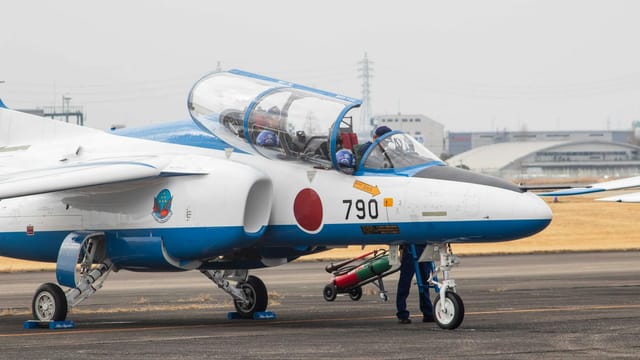
The U.S. diversion of air‑defence systems and ships to the Persian Gulf has exposed limits in American alliance guarantees, unsettling South Korea and Japan. The episode underscores the strategic dilemma facing Asian partners: reliance on U.S. forces can create capability gaps and increase political and physical exposure, prompting moves toward greater self‑reliance and regional security reorganisation.

Death of Iran’s Security Chief Risks Unleashing a New Cycle of Escalation
Iran confirmed the death of Ali Larijani, its Supreme National Security Council secretary, in an airstrike that Israel had announced a day earlier. Larijani’s killing removes a key interlocutor and ‘buffer’ between Iran’s pragmatic and hardline camps, raising the risk of immediate, broad retaliation and complicating nuclear diplomacy and crisis management in the region.

Last Witnesses Fade: The Death of a Nanjing Massacre Survivor and What It Means for Memory
Guan Shunhua, a survivor of the 1937 Nanjing Massacre, died at 101 on 18 March 2026, leaving just 21 registered survivors. Her testimony—of beheadings, hiding from bayonets and starvation—underscores the urgency of preserving eyewitness accounts even as living memory fades and the politics of historical narrative intensify.
Iran Embarks on 61st Wave of Retaliatory Strikes, Unveils ‘Castle‑Breaker’ Missile in Response to Larijani Killing
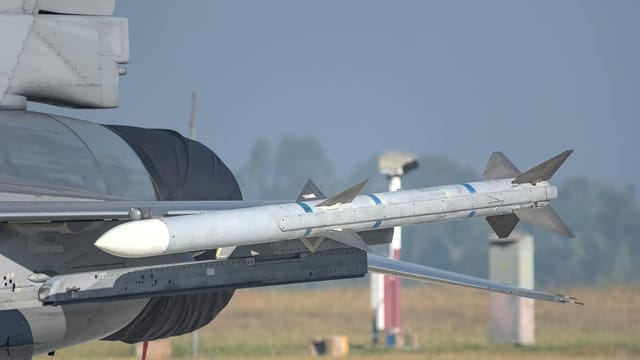
Iran announced a 61st wave of retaliatory strikes using a weapon it calls the “Castle‑Breaker,” framing the action as revenge for the killing of a senior figure named Larijani. The move is part of a deliberate, sustained campaign of calibrated reprisals that raises regional tensions and the risk of miscalculation without yet provoking a full‑scale war.

Iran Executes Alleged Mossad Agent as Bushehr Nuclear Plant Is Struck; IRGC Vows ‘Toughest’ Retaliation
Iran executed an individual it says spied for Mossad and announced plans for a major retaliatory strike after a projectile struck the Bushehr nuclear plant complex. The IAEA confirmed the strike but reported no damage or casualties while urging restraint, underscoring heightened risks of military escalation and potential nuclear safety consequences.