
World News
Latest world news and updates
Total: 3476

Airstrike on School in Southern Iran Kills Scores of Children, Deepens Fears of Wider War
An airstrike on a girls' primary school in Minab, southern Iran, on 28 February killed 165 people, mostly children, and injured dozens more. The school stood adjacent to an IRGC naval base, prompting debate over targeting decisions; the US and Israel have not accepted responsibility and say investigations into civilian casualties are underway.

Goldman Says Markets Have Priced an $18/Barrel 'Iran Shock' — A Warning of Strait of Hormuz Vulnerability
Goldman Sachs has priced an $18-per-barrel risk premium into crude markets amid reports of severe escalations involving Iran and damage to regional shipping. The premium reflects market concern that a closure of the Strait of Hormuz or other disruptions could swiftly remove millions of barrels per day from global supply, amplifying oil, gas and freight costs despite existing spare capacity and inventories.

Hormuz Shutdown and Leadership Strikes Trigger Supply Shock — Gold Tops $5,400 as Oil Soars
A sharp escalation in the Middle East after strikes on Iran prompted Tehran to ban transits through the Strait of Hormuz, quickly sending gold above $5,400 and causing Brent crude to surge. Analysts warn that a prolonged closure of Hormuz could remove 8–10 million barrels per day from the market, pushing prices much higher and elevating inflation and geopolitical risk worldwide.

Asia Markets Plunge as US–Iran Clash Deepens; Oil, Insurance Become the New Market Fault Lines
A sharp Asia-Pacific equity sell-off accompanied by surging oil prices and retreating war-risk insurance has followed a fresh round of US–Iran military exchanges. Markets are showing extreme sectoral splits — defensive and resource names outperform travel and cyclical stocks — while the return of insurers to cover tanker risks has become a crucial near-term variable.
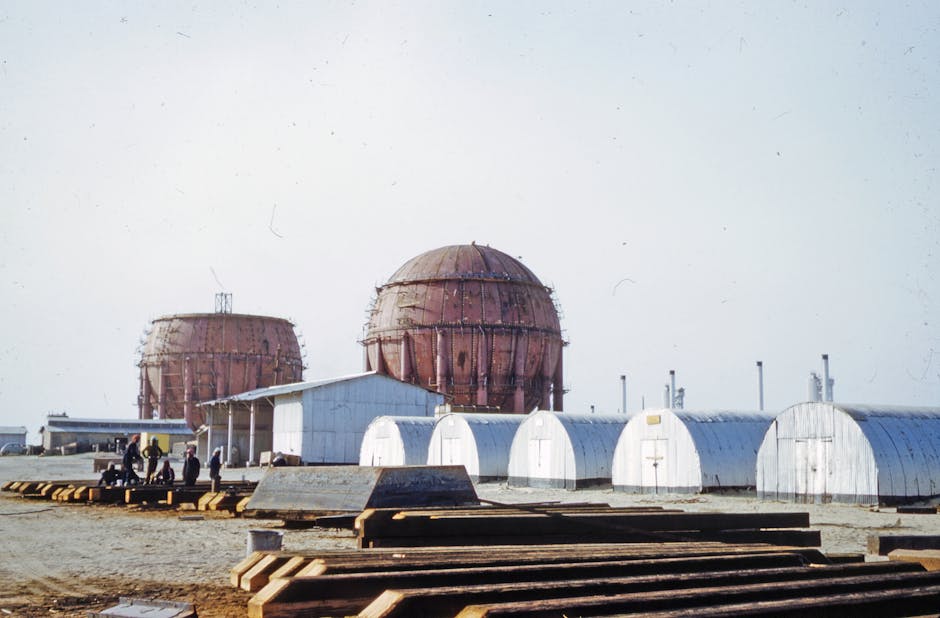
Worst-Case Oil Shock Looms as Strait of Hormuz Incident Threatens Global Supplies
Following US and Israeli strikes on Iran and an IRGC ban on transit through the Strait of Hormuz, the global oil market faces the risk of a large supply shock. Analysts warn that prolonged disruption—especially if Saudi infrastructure were targeted—could send crude above $100 a barrel and push LNG back to 2022 highs, with wide economic consequences.
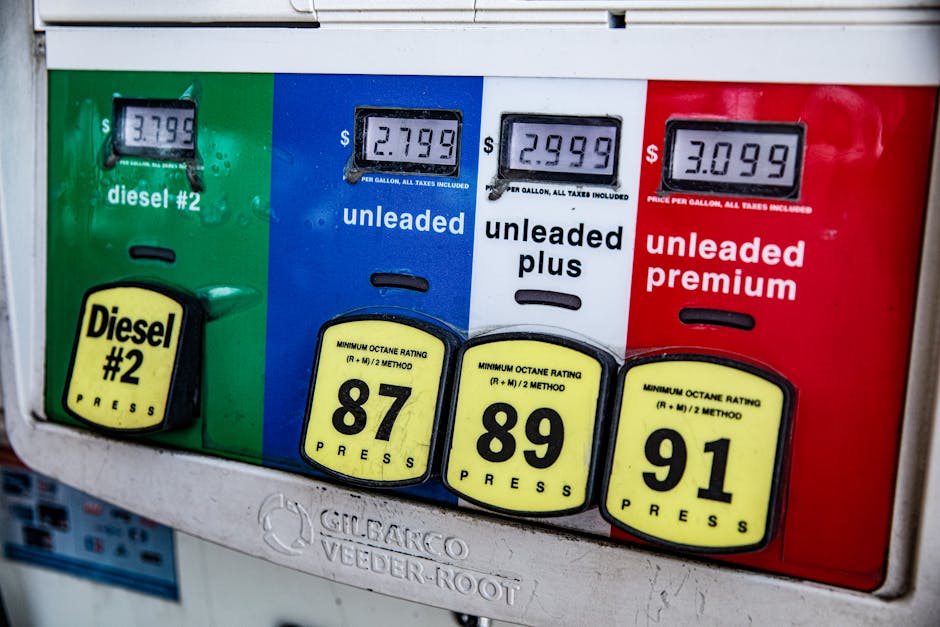
Middle East Escalation Paralyzes Air Travel and Threatens Global Oil Flows
A rapid escalation between Iran, the United States and Israel has shut airspace across at least eight Middle Eastern countries, stranded hundreds of thousands of passengers and prompted Iran to block the Strait of Hormuz. The disruption threatens a significant portion of global seaborne oil flows and risks a sharp rise in energy prices, even as international agencies monitor supplies and markets respond nervously.

Deadly Anti‑American Riots Rock Pakistan After Khamenei’s Killing, Threatening Diplomatic Security and Domestic Stability
Anti‑American protests across Pakistan on March 1, sparked by the killing of Iran’s supreme leader in a US‑Israel airstrike, left at least 20 dead and over 100 wounded. Demonstrators attacked diplomatic and international facilities in Islamabad, Karachi and Gilgit‑Baltistan, prompting a forceful security response and a ban on public protests in the capital.
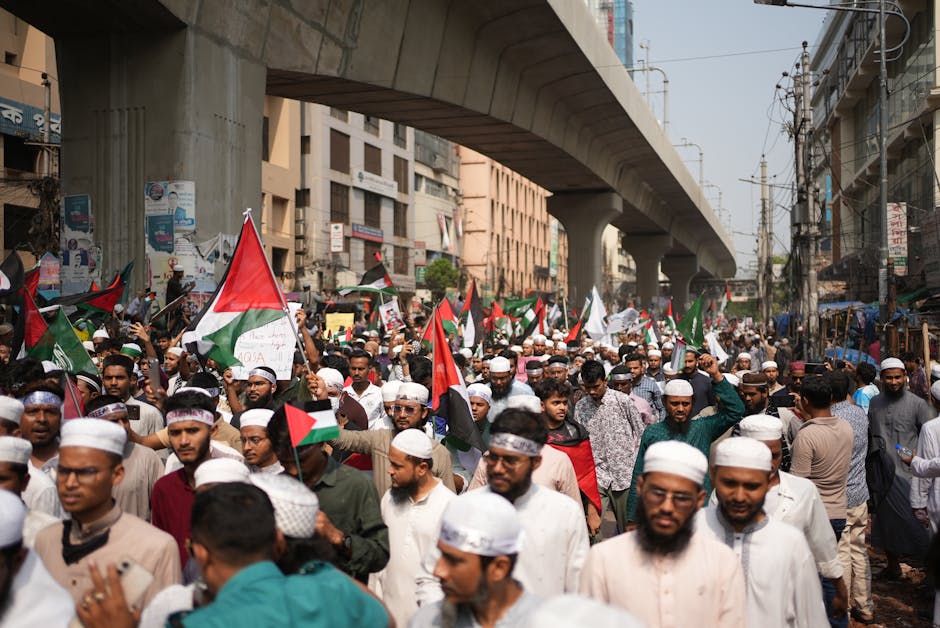
Erdogan Demands Immediate Ceasefire After US–Israel Strike on Iran, Vows to Press for Talks
President Erdogan condemned a recent US–Israel strike on Iran as a breach of international law and called for an immediate ceasefire, blaming escalation on Netanyahu's provocations. He pledged to intensify Turkish diplomatic efforts to bring the parties back to negotiations, positioning Ankara as an active mediator amid rising regional tensions.
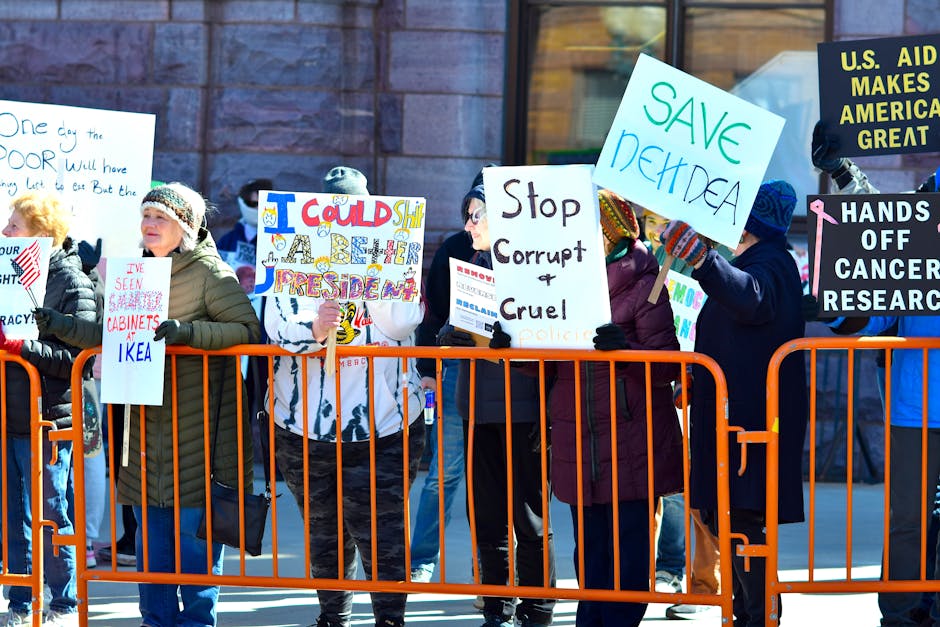
U.S. Strikes on Tehran Ignite Nationwide Antiwar Upheaval and Constitutional Backlash
Mass protests erupted across the United States after coordinated U.S.-Israeli strikes on Tehran, with demonstrators and civil liberties groups accusing the president of waging war without congressional authorization. The strikes, critics say, risk regional escalation and may have been timed to distract from mounting domestic political pressures, forcing a renewed national debate over war powers and executive authority.

From Trenches to Cockpits: How the PLA Air Force Is Recasting an 80‑Year Legacy to Bolster Cohesion and Combat Readiness
The PLA Air Force commemorated the 80th anniversary of its pioneering Northeast aviation school with site visits, theatrical performances, seminars and awards that repurpose wartime stories into contemporary political and professional education. Beijing is using such commemorations to fuse revolutionary legacy with modern military training, reinforcing cohesion and political loyalty alongside technological modernization.
Forty Hours of Escalation: How US–Israeli Strikes and Iran’s “Most Fierce” Retaliation Shattered Regional Calm
In the 40 hours since US and Israeli strikes on Iran, Tehran has launched a sustained IRGC counteroffensive that targeted dozens of US and Israeli military sites across the region, disrupted Gulf shipping and inflicted civilian casualties. The confrontation has already driven regional instability, threatened global oil flows and triggered a rapid shift in Iranian leadership arrangements after state announcements of the Supreme Leader’s death.

Strike on Tehran and the Death of Iran’s Supreme Leader Ignite a Wider Middle East War
Iran says its supreme leader was killed in coordinated U.S.-Israeli strikes on Tehran, prompting rapid and large-scale Iranian retaliation that has spread across the Middle East. The confrontation risks a broader regional war, serious disruption to oil and shipping, and a hardening of Tehran’s internal politics even if the regime does not collapse.