
World News
Latest world news and updates
Total: 3394
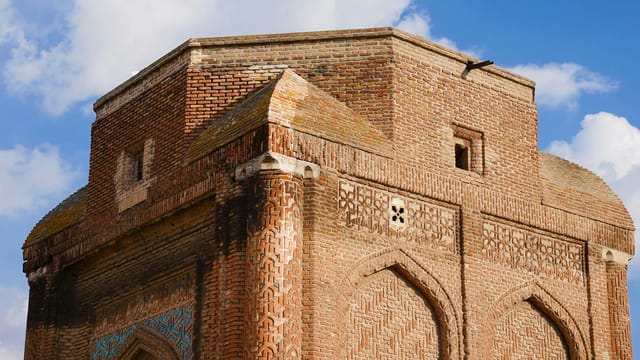
The Collateral Cost of Conflict: Iran’s Ancient Heritage Under Fire
Iran's Ministry of Cultural Heritage reports that 149 historical sites and museums, including five UNESCO World Heritage sites, have been damaged during the recent conflict with the US and Israel. The majority of the damage was caused by explosion shockwaves, highlighting the severe cultural toll of regional military escalation.

Beijing’s Syrian Gambit: Why China is Doubling Down on Regional Stability
China has urged the UN Security Council to prevent the spillover of Middle East conflicts from destabilizing Syria, specifically calling for a crackdown on ETIM militants and the withdrawal of Israeli forces. Beijing's stance emphasizes political diplomacy and sovereign integrity as the primary means to prevent further regional escalation.

Straitjacketed: Washington Signals Unprecedented Escalation with Iranian Blockade
U.S. Central Command has initiated a massive naval blockade around the Strait of Hormuz, deploying record military force to intercept Iranian shipping. The operation has already seen kinetic action against an Iranian-flagged vessel and the diversion of dozens of ships, signaling a major shift toward direct military containment of Tehran.

Fragile Lebanon Ceasefire Shaken by Fatal Strike on Journalists and Medics
An Israeli airstrike in southern Lebanon killed journalist Amal Khalil and two Hezbollah members, further undermining a fragile 10-day ceasefire. The incident, which included reports of Israeli forces firing on Red Cross rescuers, highlights the deepening humanitarian crisis and the collapse of recent diplomatic efforts to pause hostilities.
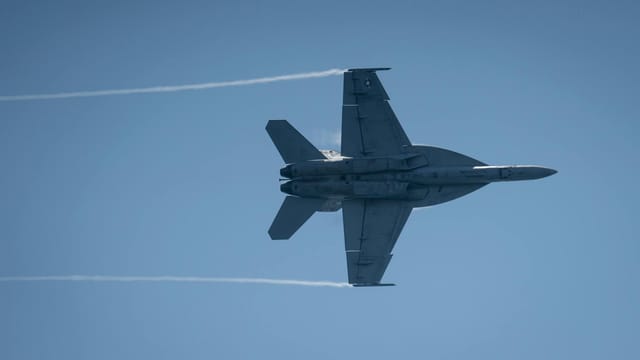
The High Cost of Vanity: South Korean Pilot Penalized for Mid-Air Collision
A South Korean F-15K pilot has been fined 88 million won for causing a mid-air collision while attempting to take a photograph during a flight. The incident resulted in nearly 878 million won in damages, highlighting the dangers of personal distractions in military aviation.
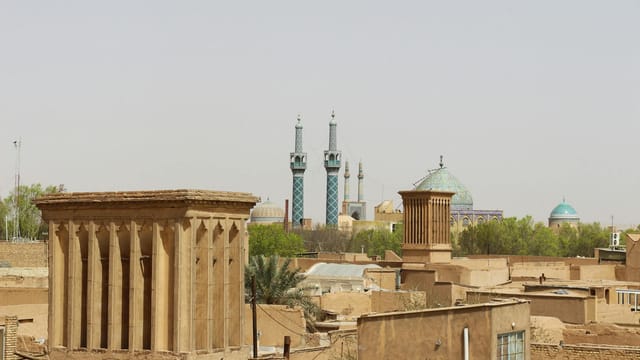
The Silent Casualties: Iran’s Ancient Heritage Caught in the Crossfire of Regional War
Iran's Ministry of Cultural Heritage reports that 149 historical sites, including five UNESCO World Heritage locations, have been damaged in the recent conflict with the U.S. and Israel. The destruction, ranging from shockwave impacts to direct strikes, marks a significant loss for global cultural history and Iran's domestic tourism potential.

Echoes of the Tanker War: Why the Strait of Hormuz is Edging Toward an Explosive Confrontation
Escalating naval tensions in the Strait of Hormuz have reached a breaking point following a U.S. seizure of an Iranian vessel and a failed diplomatic opening. Internal Iranian politics and a 'maximum pressure' stance from the Trump administration have combined to revive the specter of a full-scale maritime conflict similar to the 1980s Tanker War.

A New Hierarchy of Loyalty: Trump’s NATO Ledger Revealed
The Trump administration has reportedly established a tiered system for NATO allies, categorizing them based on their support for U.S. objectives, particularly concerning Iran. This 'Good and Bad List' aims to redistribute military resources toward loyalists while withdrawing support from uncooperative members, fundamentally altering the nature of the transatlantic alliance.
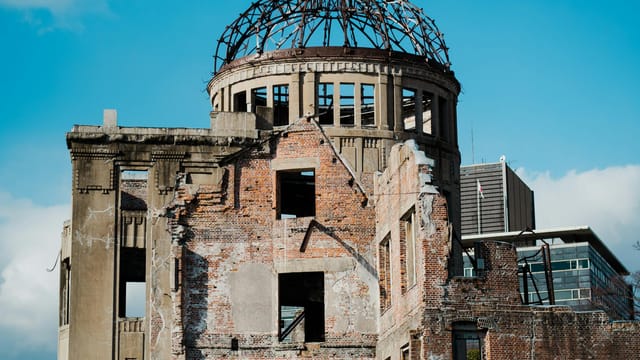
Echoes of Empire: The Contentious Battle for China’s Displaced Heritage in Japan
Japan holds an estimated 3.6 million Chinese cultural artifacts, the legacy of over fifty years of systemic looting and military occupation. Despite international trends toward cultural restitution, Japan continues to treat these items as state property, fueling long-standing diplomatic tensions between the two regional powers.
Subtle Threats and Symbolism: China’s Naval Propaganda Targets Taiwan with Domestic Puns
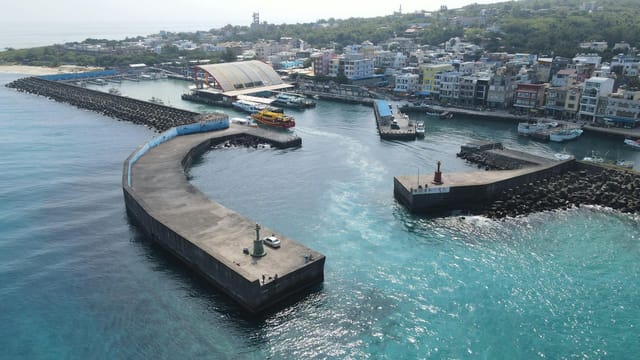
The Chinese Navy's latest promotional video uses a mix of generational military heritage and domestic puns to deliver a warning to Taiwan's leadership. By layering family-oriented narratives over displays of high-tech naval power, Beijing is refining its psychological warfare to frame 'unification' as a natural, domestic conclusion.
A Calculated Retreat: Hamas’s High-Stakes Gambit for Survival in a Devastated Gaza
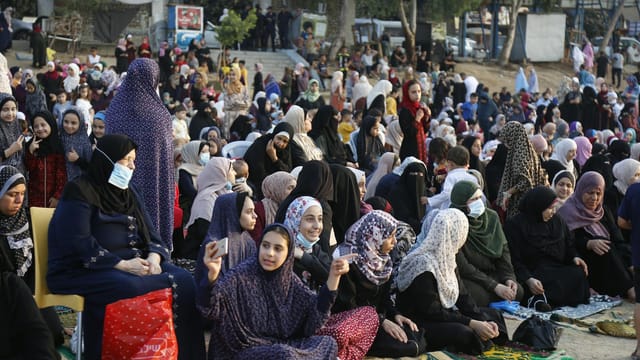
Hamas is strategically surrendering thousands of police weapons to international committees in a bid to offload the burden of Gaza’s humanitarian crisis. This 'tactical retreat' aims to preserve the group's remaining military core while forcing the international community to address the territory's $71 billion reconstruction needs and widespread famine.

The Unresolved Ledger: Japan’s Century of Cultural Plunder and the Fight for China’s Stolen Past
Japan remains the largest holder of looted Chinese cultural heritage, with an estimated 3.6 million artifacts seized between 1894 and 1945. Despite global trends toward restitution and Japan’s own returns to South Korea, Beijing’s efforts to reclaim its historical assets from Japanese state and private collections remain stalled by legal and diplomatic hurdles.