
Policy & RegulationAnalysis
Beijing Lowers Land Auction Deposit Thresholds to Ease Developer Cash Flow
Capital cuts pre-application deposits by up to 60 percent and extends payment schedules to 24 months for residential plots.
Share
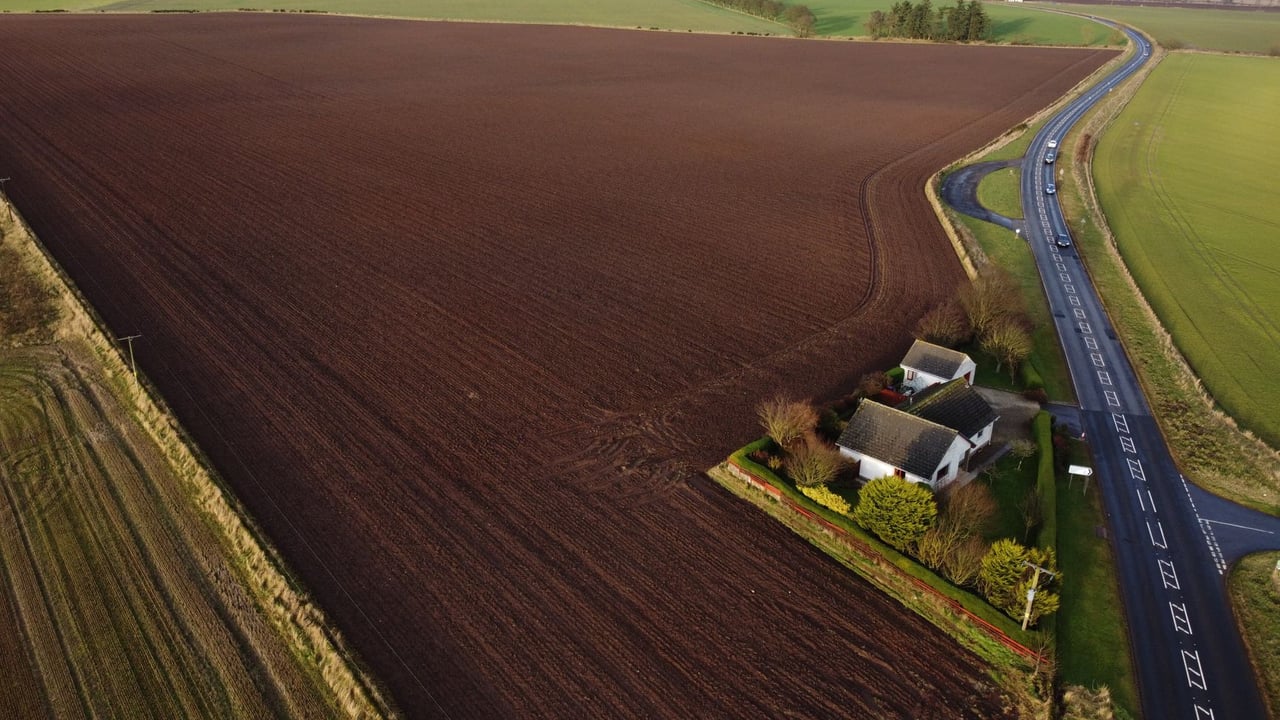
Photo by Normunds Ispwich on Pexels
The Brief
Beijing municipal authorities have eased commercial residential land auction rules, sharply lowering pre-application deposit thresholds and extending land premium payment schedules. Under new terms introduced alongside the listing of a residential plot in Changping District, the minimum pre-application deposit has dropped from 5 million yuan to 2 million yuan, while the maximum cap fell from 20 million yuan to 10 million yuan. Successful bidders participating in the pre-application mechanism can also spread remaining land payments across 24 months, part of local implementation of national property sector reforms.
Why it matters
Slashing deposit requirements by 50 to 60 percent and extending final land price settlement to two years significantly lowers the upfront cash commitment for property developers. By softening liquidity burdens during land tenders, municipal planners hope to rekindle developer appetite, prevent auction failures, and stabilize expectations in a subdued housing market.
China context
The adjustments follow an August 28 national directive from the Ministry of Housing and Urban-Rural Development, the Ministry of Natural Resources, and the National Financial Regulatory Administration aimed at overhauling commercial housing sales systems. Beijing issued its local implementation measures on September 24, making it one of the first tier-one cities to adapt upstream land-tender mechanisms to the central government's push for a 'new model' of real estate development.
Editor's View
EDITOR'S VIEW — Analysis and inference, not factual reporting.
By easing upfront bidding terms, Beijing is seeking a practical compromise: maintaining land values while accommodating the strained balance sheets of property developers. The 24-month payment runway notably relieves near-term financing pressure, but its efficacy in stimulating broad private participation will depend on whether developers see viable downstream buyer demand for new residential projects.
What to watch
- Developer participation and the final premium rate for the Xiejia plot in Changping District.
- Whether Beijing standardizes the 2 million to 10 million yuan deposit band and 24-month payment terms across upcoming residential land releases.
- Whether other tier-one cities like Shanghai, Shenzhen, and Guangzhou adopt comparable land-auction relief measures.
Key Takeaways
- 1Beijing reduced pre-application deposits for residential land from 5–20 million yuan to 2–10 million yuan.
- 2Qualifying winning bidders may pay the remaining 50 percent of land-grant premiums over a 24-month period following contract signing.
- 3The new rules were introduced with the listing of the Xiejia residential parcel in Changping District, carrying a starting price of 2.936 billion yuan.
- 4The changes implement national guidelines issued in late August by three central ministries to reform the commercial housing sales system.
Beijing municipal authorities have revised the bidding rules for commercial residential land by substantially lowering pre-application deposits and stretching payment schedules, according to a report by Xinhua News Agency published in People's Daily.
The regulatory adjustments accompanied the listing of a residential site in Beijing's Changping District on September 30, marking the capital's first residential land offering since municipal agencies began rolling out reforms to the commercial housing sales framework. According to an official from the Beijing Municipal Commission of Planning and Natural Resources, the municipal government overhauled auction rules to align local transactions with broader policy shifts and anchor market expectations.
Under the revised system, the pre-application deposit for residential plots has been reduced from a previous range of 5 million to 20 million yuan down to between 2 million and 10 million yuan ($285,000 to $1.43 million). The move cuts the minimum cash hurdle for prospective bidders by 60 percent and halves the upper threshold.
In addition to the lower initial deposit, the city extended the installment schedule for land-grant premiums. Tender documents for the maiden parcel—the Xiejia plot in Changping District—stipulate that winning developers who enter through the pre-application process must pay 50 percent of the total land price within 30 calendar days of signing the transfer contract. The remaining 50 percent balance can be paid in installments over up to 24 months.
The Changping site covers roughly 8.89 hectares with a planned building area of about 100,900 square meters. Its starting auction price was set at 2.936 billion yuan.
The municipal policy shift implements recent central government guidance. On August 28, three central authorities—the Ministry of Housing and Urban-Rural Development, the Ministry of Natural Resources, and the National Financial Regulatory Administration—jointly issued a policy package on improving the commercial housing sales system. Beijing's municipal housing commission and three other municipal bureaus subsequently issued local implementation opinions on September 24 to advance what authorities describe as a transition toward a new real estate development model.
Sources
- 北京优化住宅用地出让规则:预申请保证金砍半,最低降至200万元 — NetEase · 9/30/2026
- 北京发布商品住房销售制度改革后首宗土拍项目--经济·科技--人民网 — People's Daily · 9/30/2026